South-Eastern Asia
Food of Laos
The 6 most iconic national dishes of Laos — real photos, key ingredients and tasty facts behind every plate.
 Asia
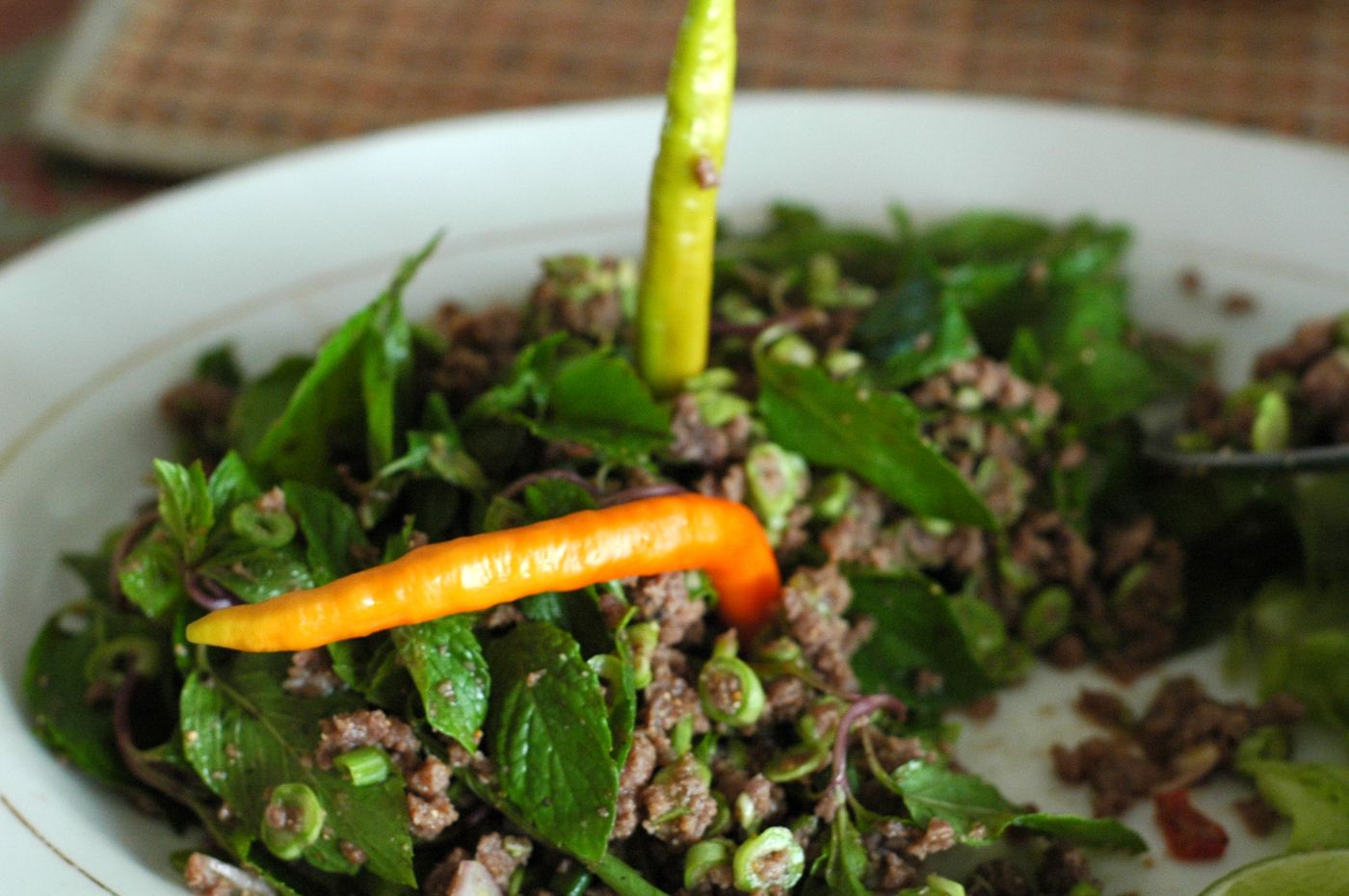
Larb
Laos’s signature minced meat salad, tossed warm with lime juice, fish sauce, herbs and toasted rice powder. It is bright, savory, herbal and often pleasantly spicy.
Did you know?
Larb is widely regarded as the national dish of Laos and is traditionally eaten with sticky rice.
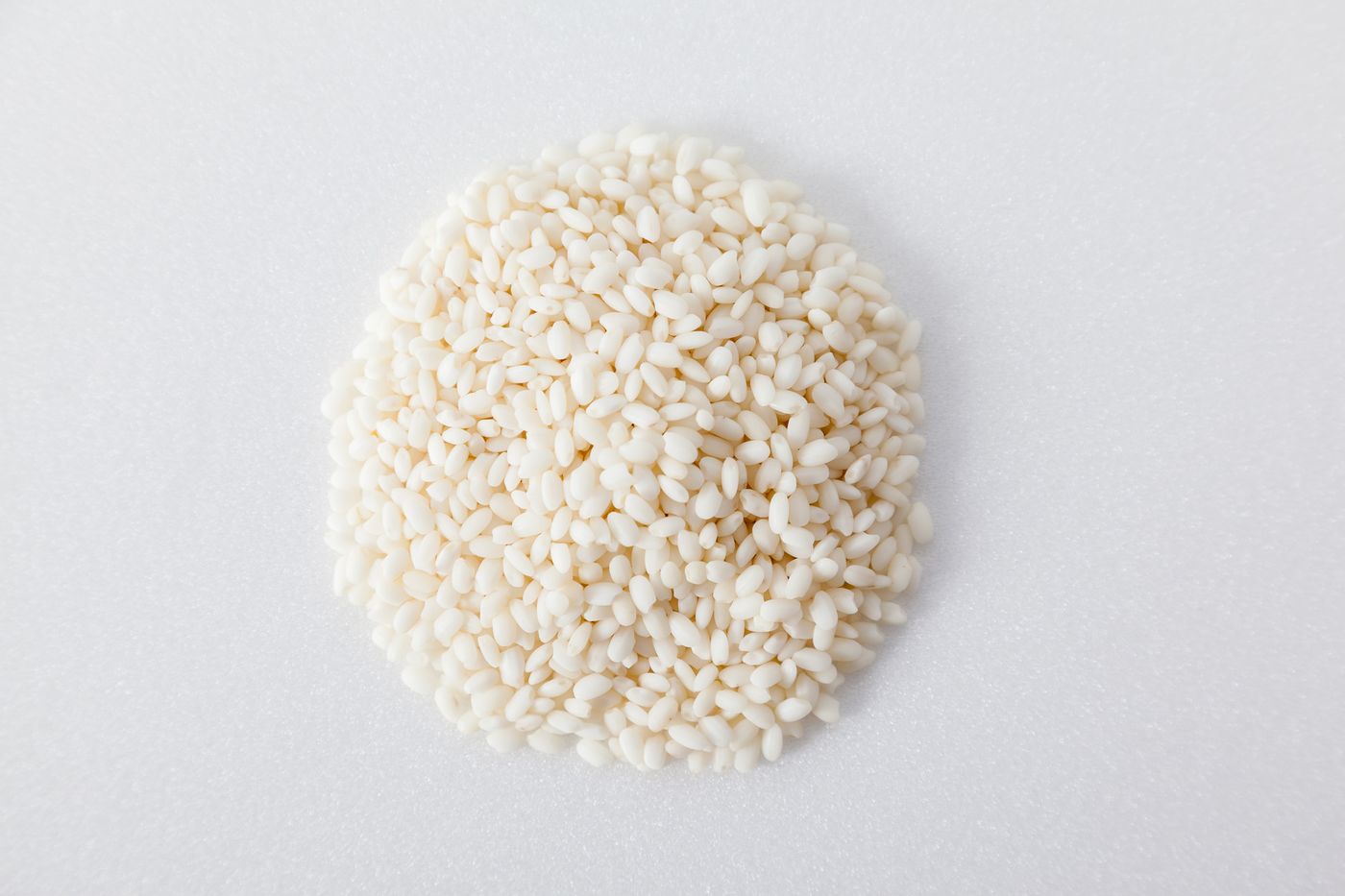
Khao niaw
Steamed glutinous rice is the staple at the heart of Lao meals, usually eaten by hand in small pinched balls. It has a soft, chewy texture and a subtly sweet rice aroma.
Did you know?
Laos has one of the highest per-capita consumptions of sticky rice in the world, earning it the nickname 'the land of sticky rice.'
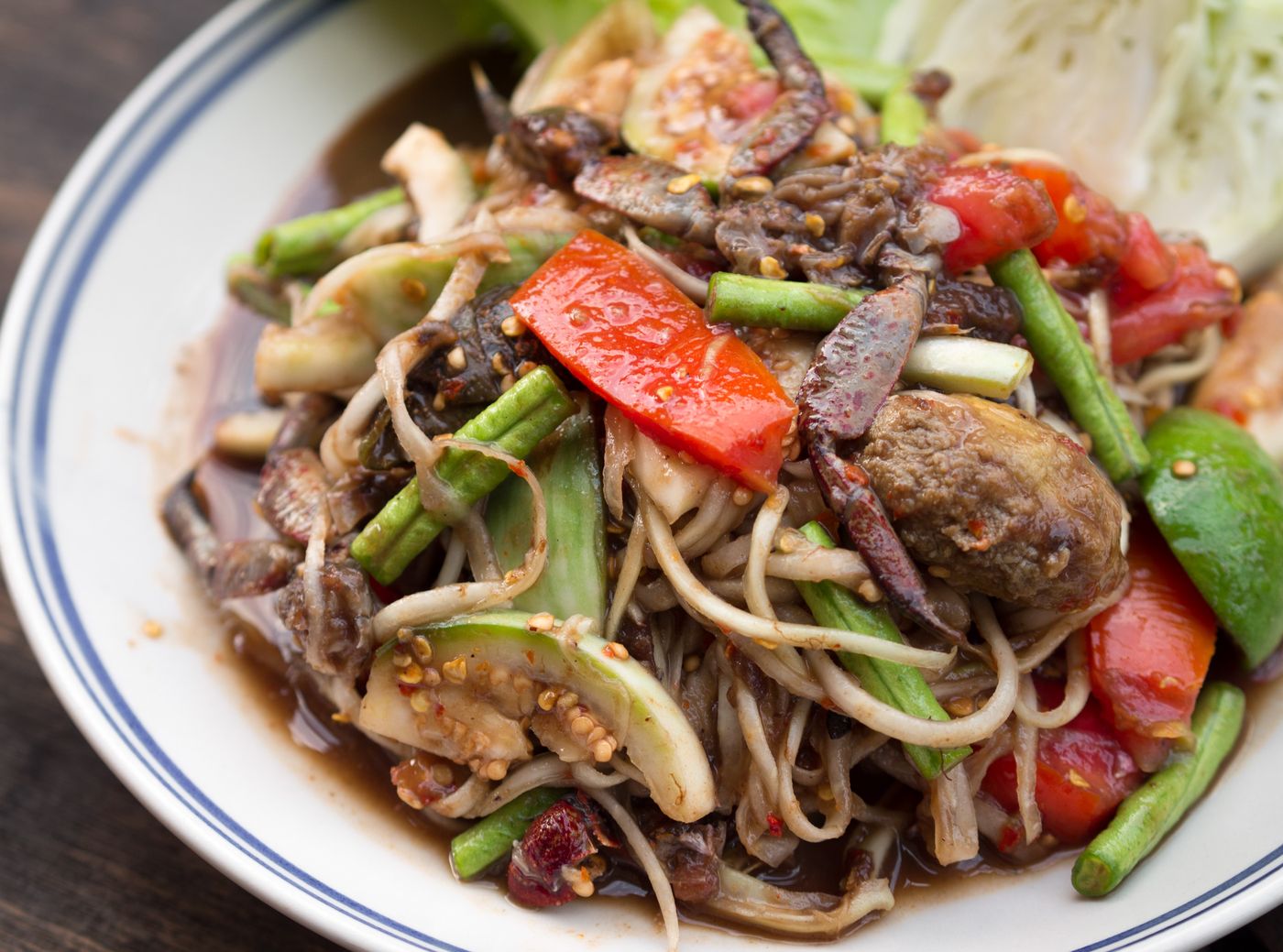
Tam mak hoong
A Lao green papaya salad pounded with chilies, garlic, lime and fermented seasonings for a punchy mix of sour, salty, spicy and funky flavors. The Lao style is often more robust and fermented than neighboring versions.
Did you know?
The Lao version of papaya salad is considered by many food historians to be one of the earliest forms of the dish now popular across mainland Southeast Asia.
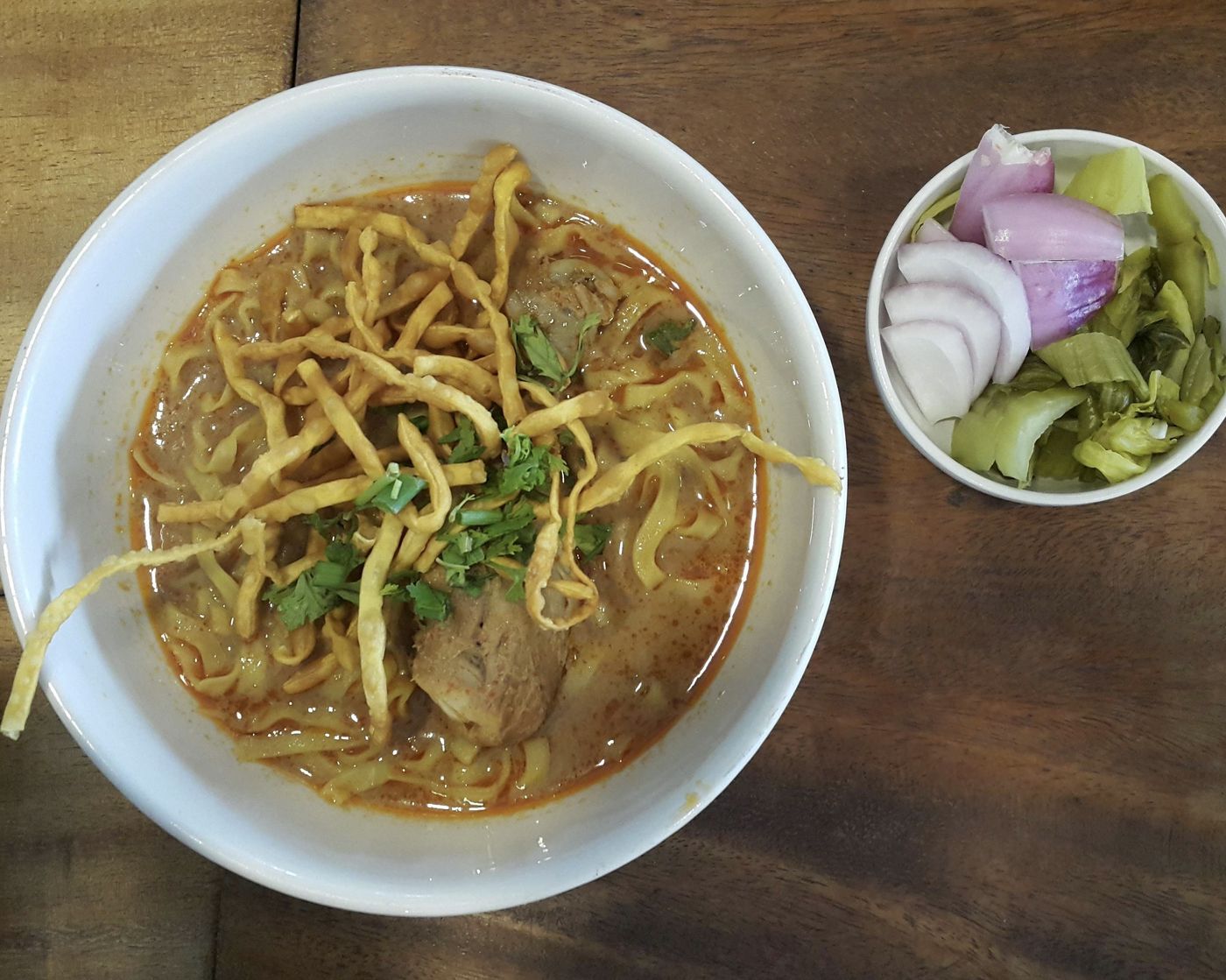
Khao soi
In Laos, khao soi is a comforting noodle soup with flat rice noodles in a rich broth topped with a savory minced meat and tomato mixture. It is distinct from the better-known northern Thai coconut curry noodle dish of the same name.
Did you know?
Luang Prabang has a particularly well-known local style of khao soi that differs markedly from Thai versions.
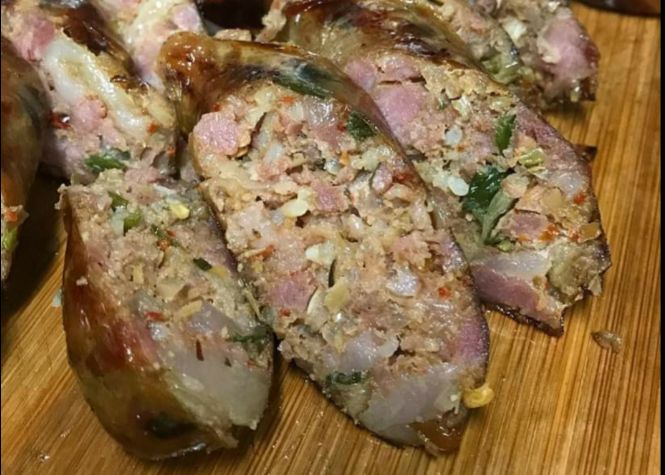
Sai ua
A fragrant grilled sausage packed with pork, lemongrass, galangal, kaffir lime leaf and chilies. It is juicy, smoky and intensely aromatic.
Did you know?
Sai ua is strongly associated with the Lao cultural world as well as northern Thailand, reflecting deep historical ties across the region.
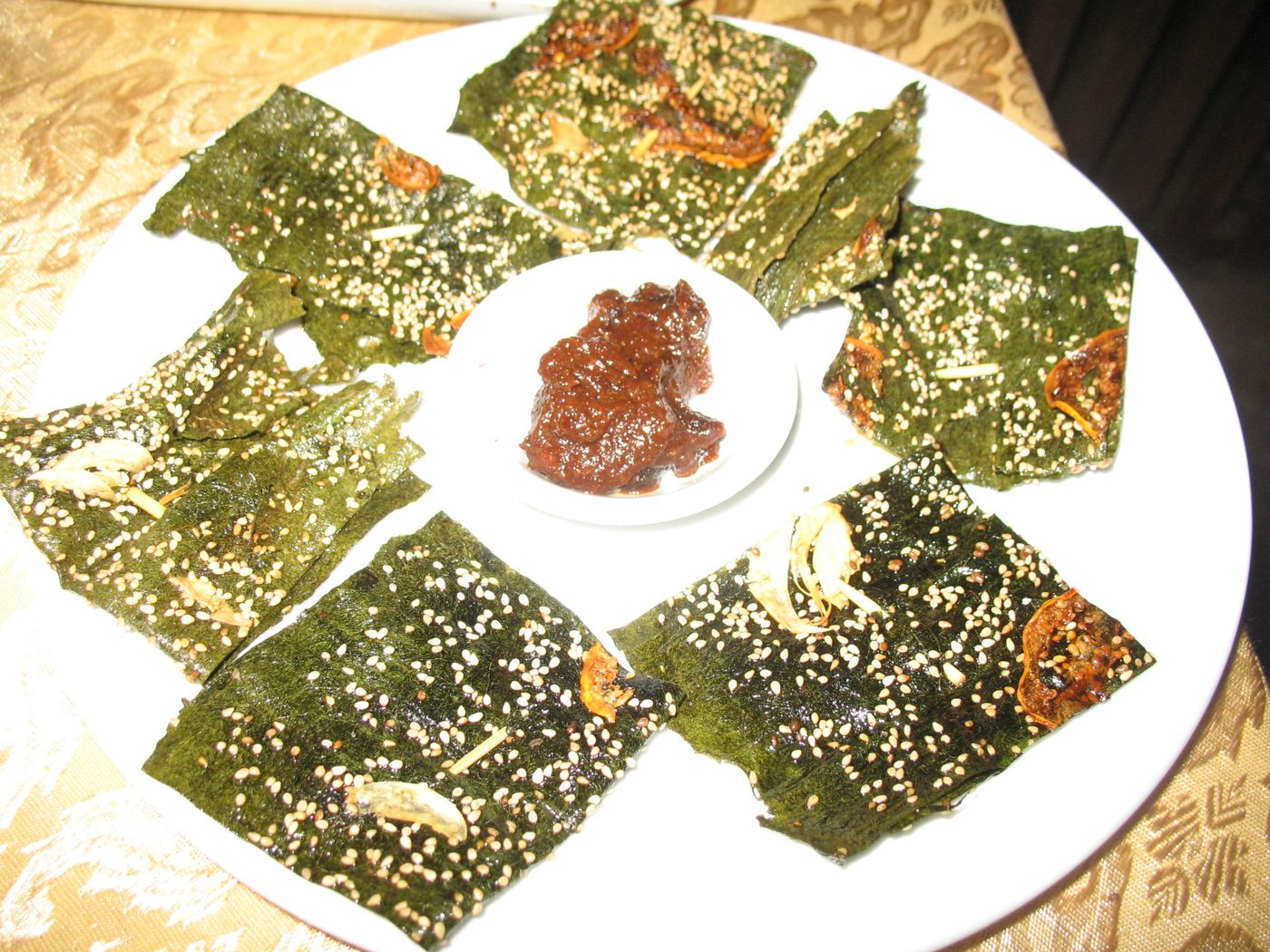
Kaipen
A specialty from northern Laos made from river algae sheets seasoned with garlic, sesame and vegetables, then dried and crisped. It eats like a delicate, savory riverweed cracker.
Did you know?
Kaipen is especially associated with Luang Prabang and is traditionally harvested from the Mekong and its tributaries during the dry season.