Eastern Asia
Food of South Korea
The 11 most iconic national dishes of South Korea — real photos, key ingredients and tasty facts behind every plate.
 Asia
Asia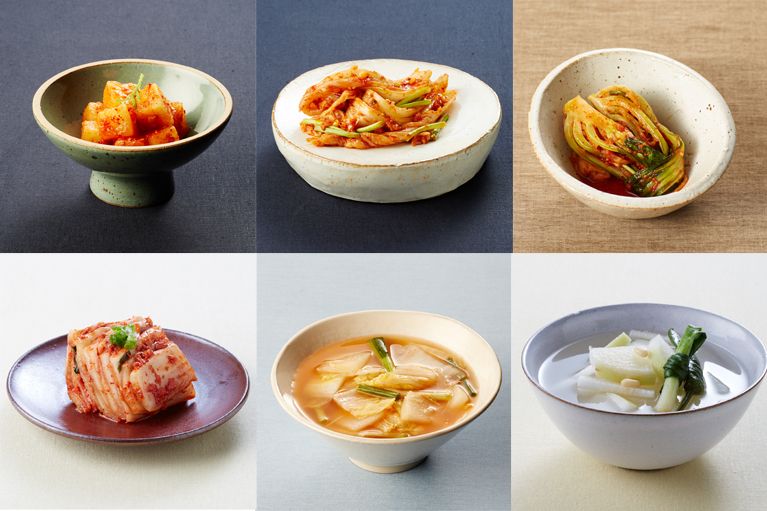
Kimchi
Korea’s signature fermented vegetable dish, most often made with napa cabbage and a spicy, tangy seasoning. It is deeply savoury, garlicky and complex, and appears at virtually every Korean meal.
Did you know?
Kimjang, the traditional communal making of kimchi for winter, is recognised by UNESCO as Intangible Cultural Heritage.
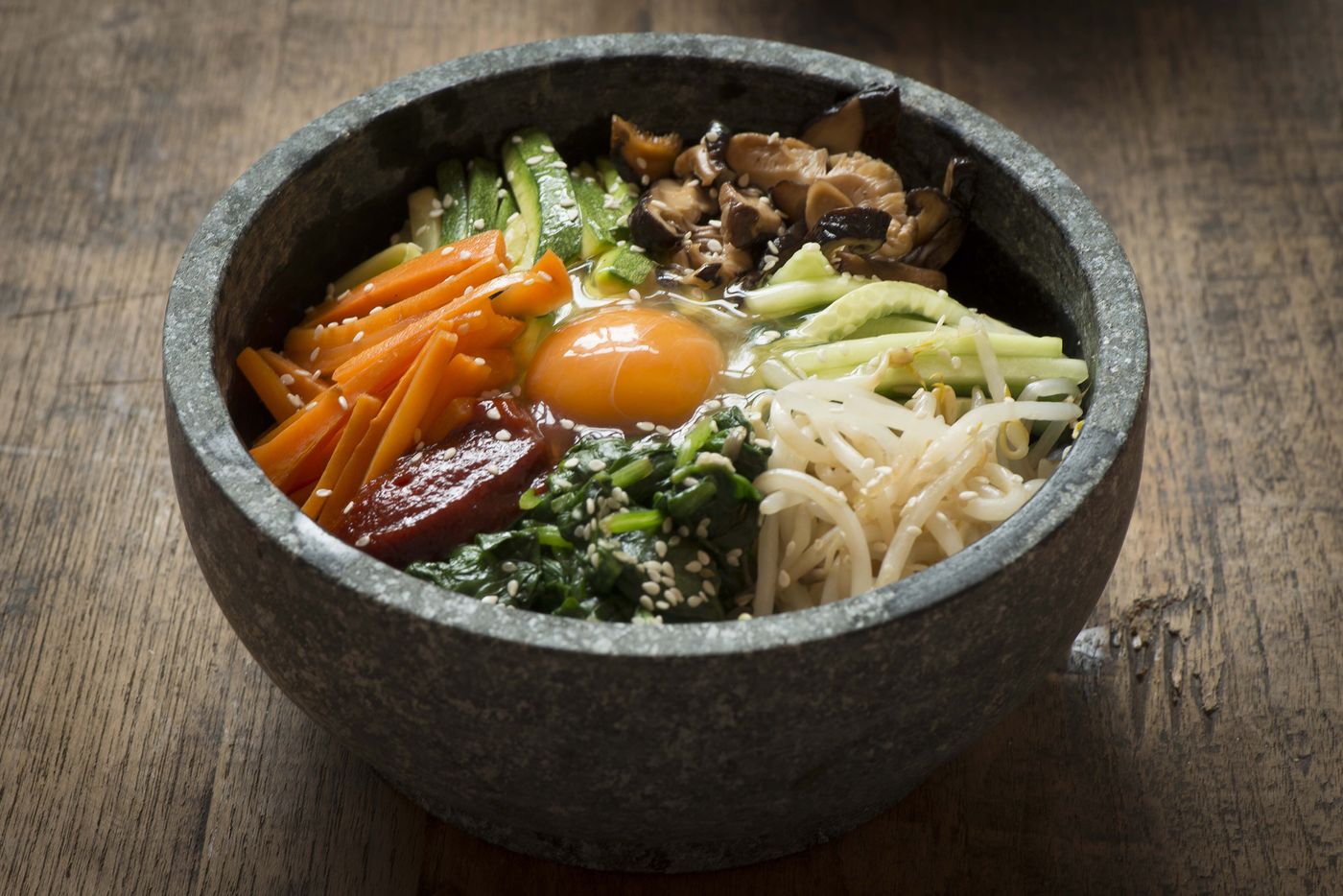
Bibimbap
A bowl of warm rice topped with assorted vegetables, meat, egg and chili paste, mixed together before eating. It balances colour, texture and flavour in a way many Koreans see as quintessentially Korean.
Did you know?
Jeonju is especially famous for its version of bibimbap, which is often cited as one of Korea’s best-known regional dishes.
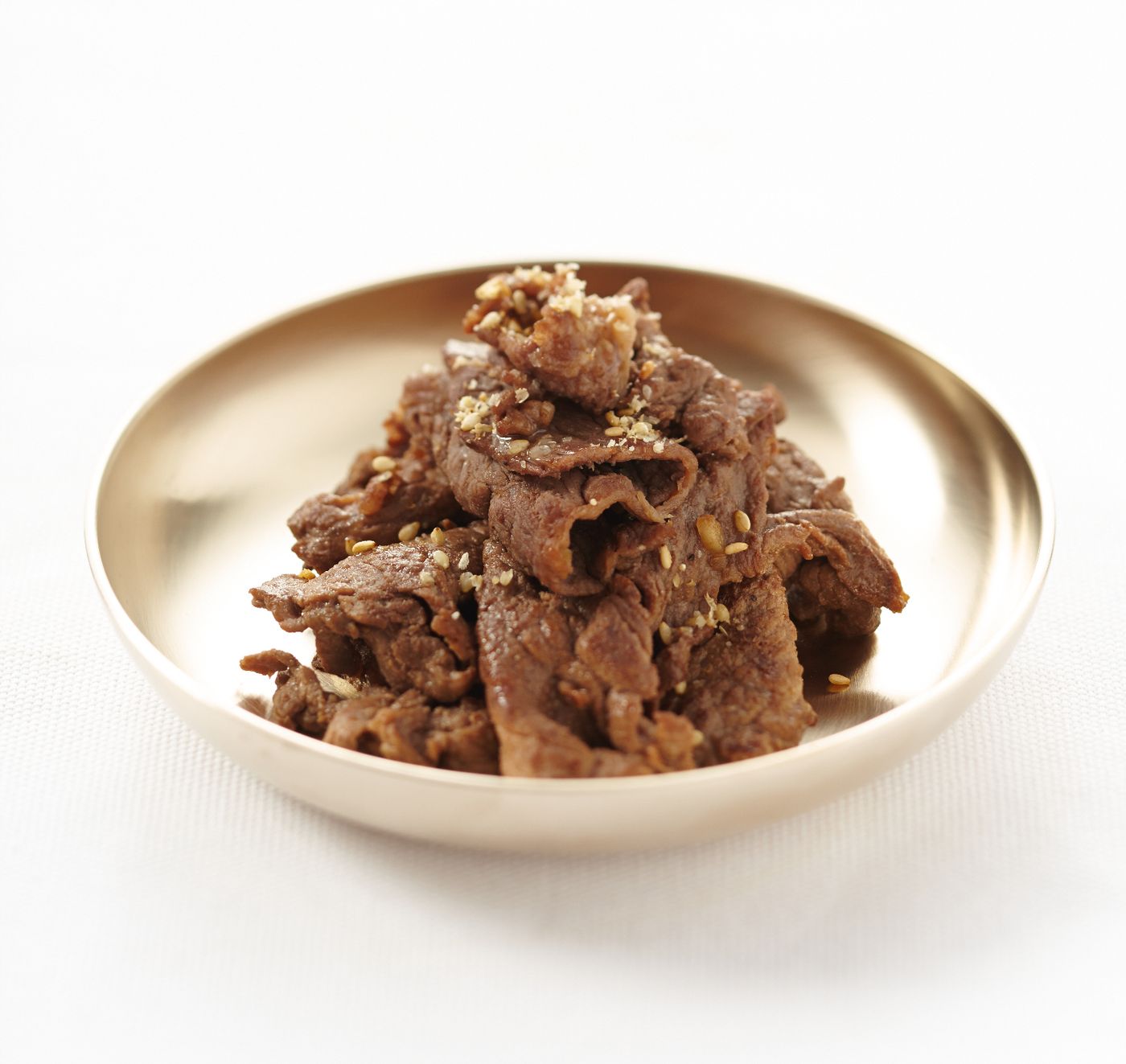
Bulgogi
Thinly sliced beef marinated in a sweet-savoury mixture and then grilled or stir-fried. It is tender, aromatic and one of the most internationally recognised Korean meat dishes.
Did you know?
Its roots go back to older grilled meat traditions, including a Goguryeo-era dish known as maekjeok.
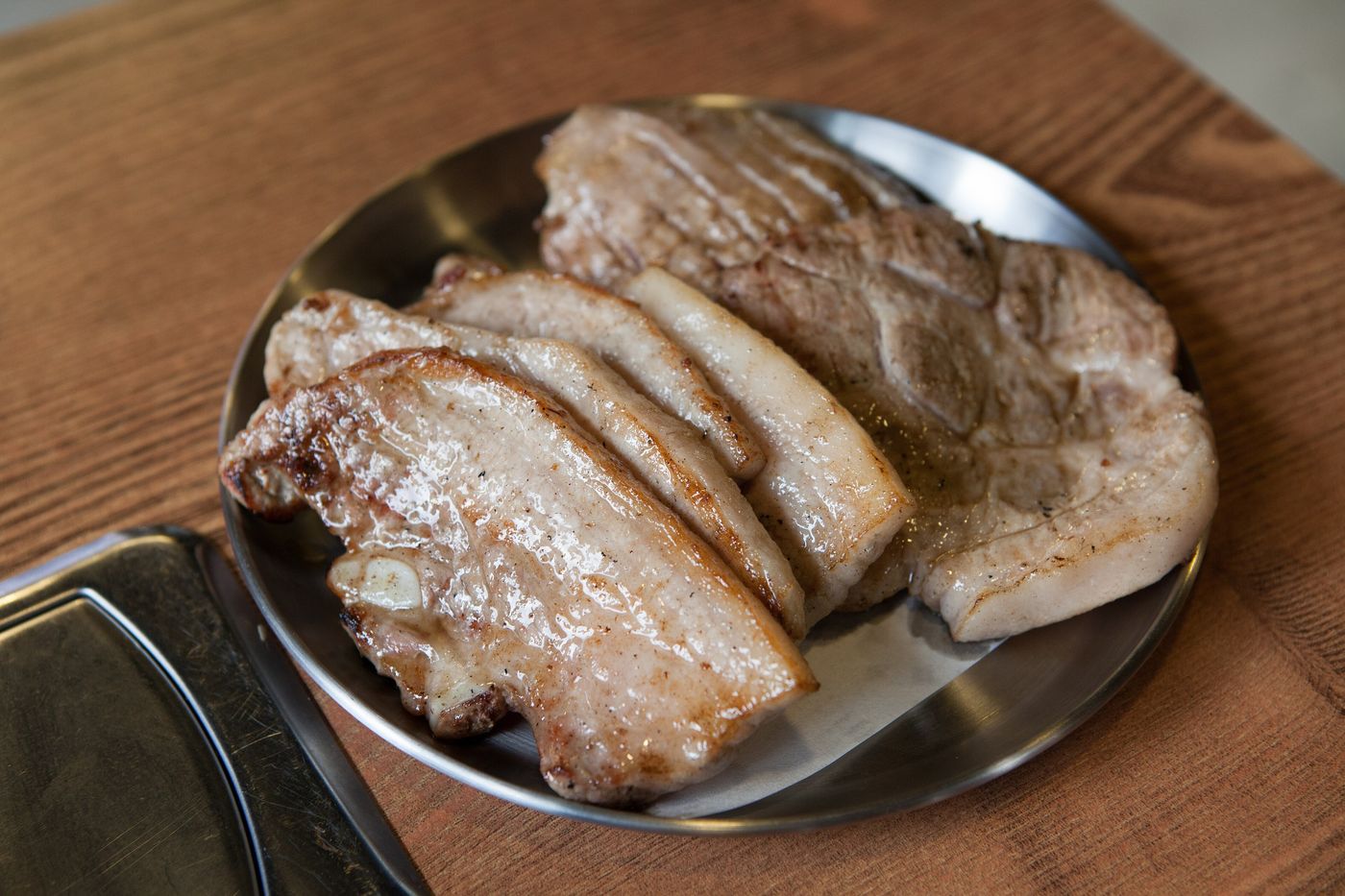
Samgyeopsal
Thick slices of pork belly grilled at the table and wrapped in lettuce with sauces and condiments. The rich, fatty meat and interactive style make it a classic social meal in South Korea.
Did you know?
Samgyeopsal Day is informally celebrated on March 3 in Korea because the date 3/3 resembles strips of pork belly.
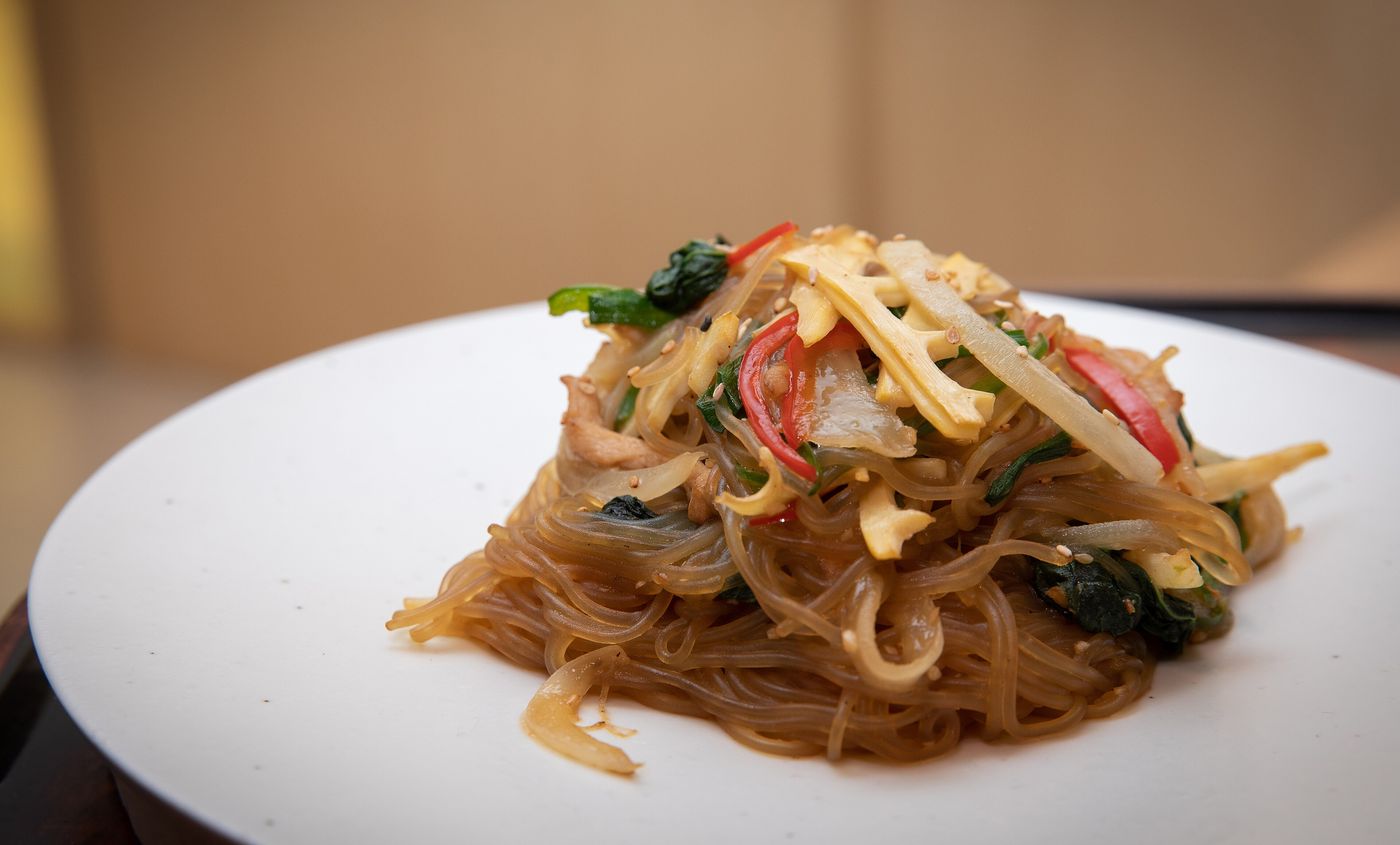
Japchae
A glossy stir-fried noodle dish made with springy sweet potato glass noodles, vegetables and often beef. It tastes lightly sweet, savoury and nutty from sesame oil.
Did you know?
Japchae was originally a royal court dish in the Joseon period before noodles became its defining feature.
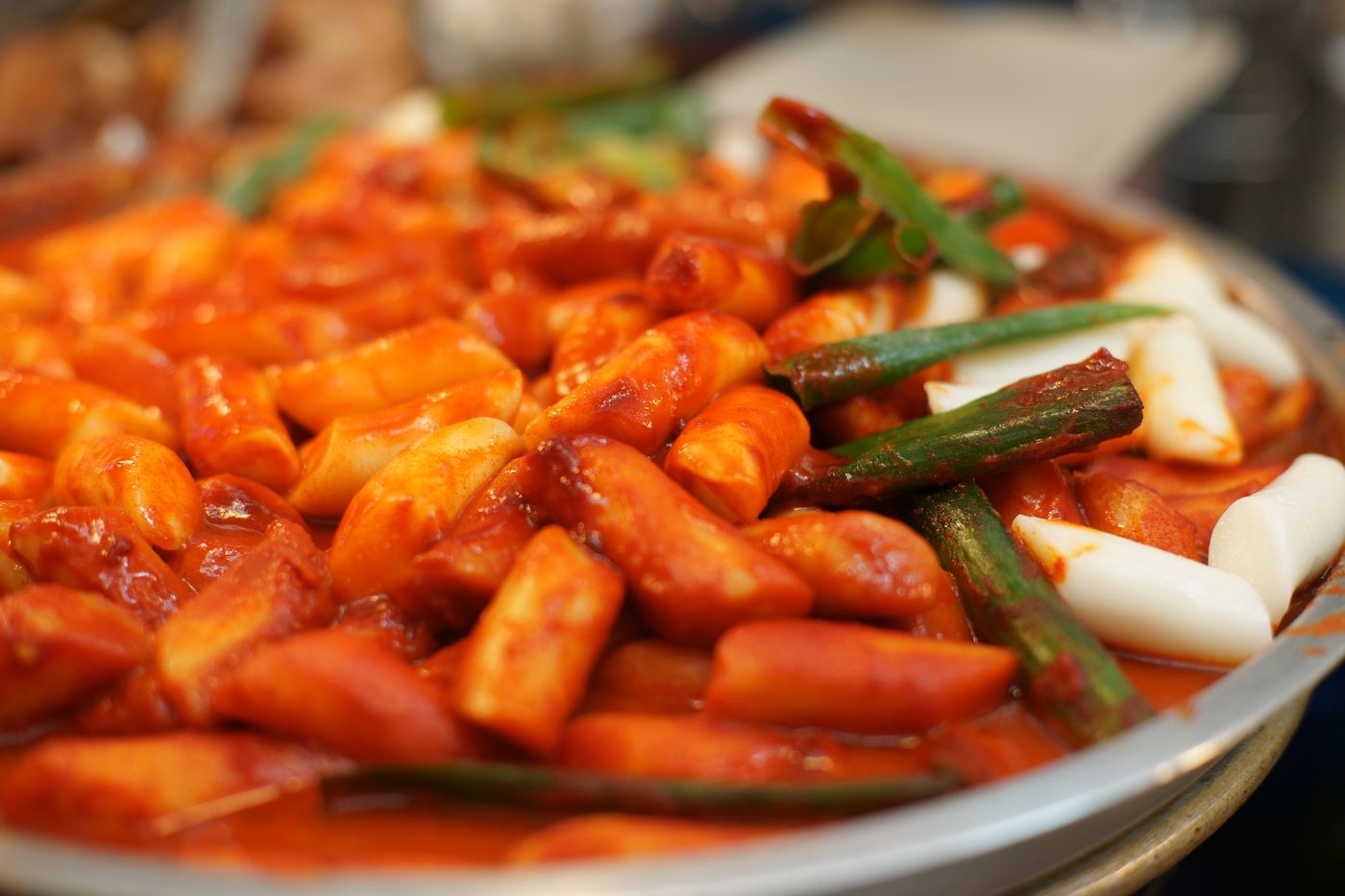
Tteokbokki
Chewy rice cakes simmered in a vivid red, spicy-sweet sauce, often sold by street vendors. It is one of Korea’s most beloved comfort foods and a staple of snack culture.
Did you know?
An older royal-court version called gungjung tteokbokki was soy-sauce based and did not use chili paste.
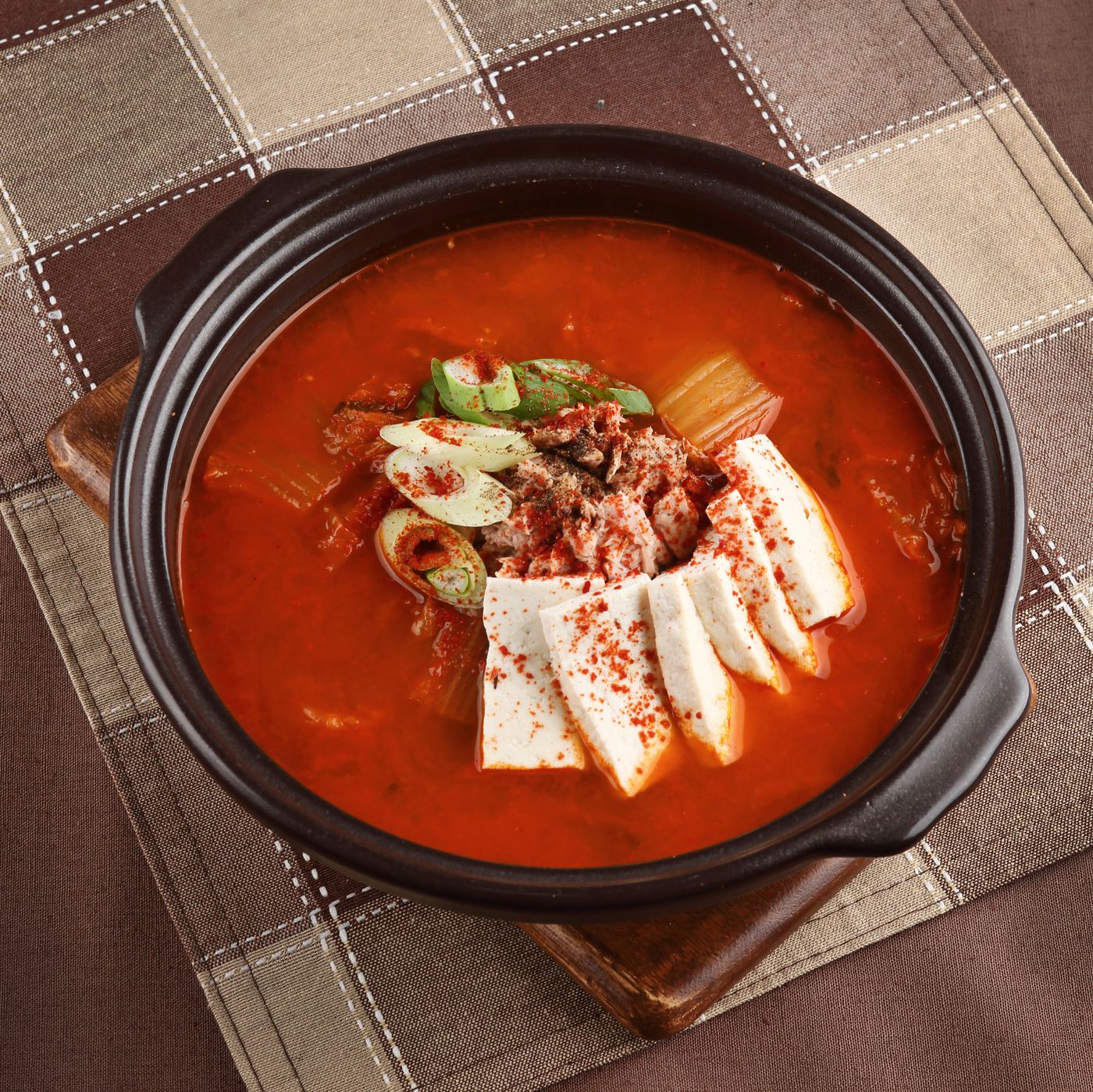
Kimchi jjigae
A robust stew of well-fermented kimchi, pork or tuna, tofu and broth, bubbling hot at the table. Its flavour is deeply sour, spicy and hearty, especially prized in colder weather.
Did you know?
Many Koreans prefer using older, more sour kimchi for kimchi jjigae because it gives the stew deeper flavour.
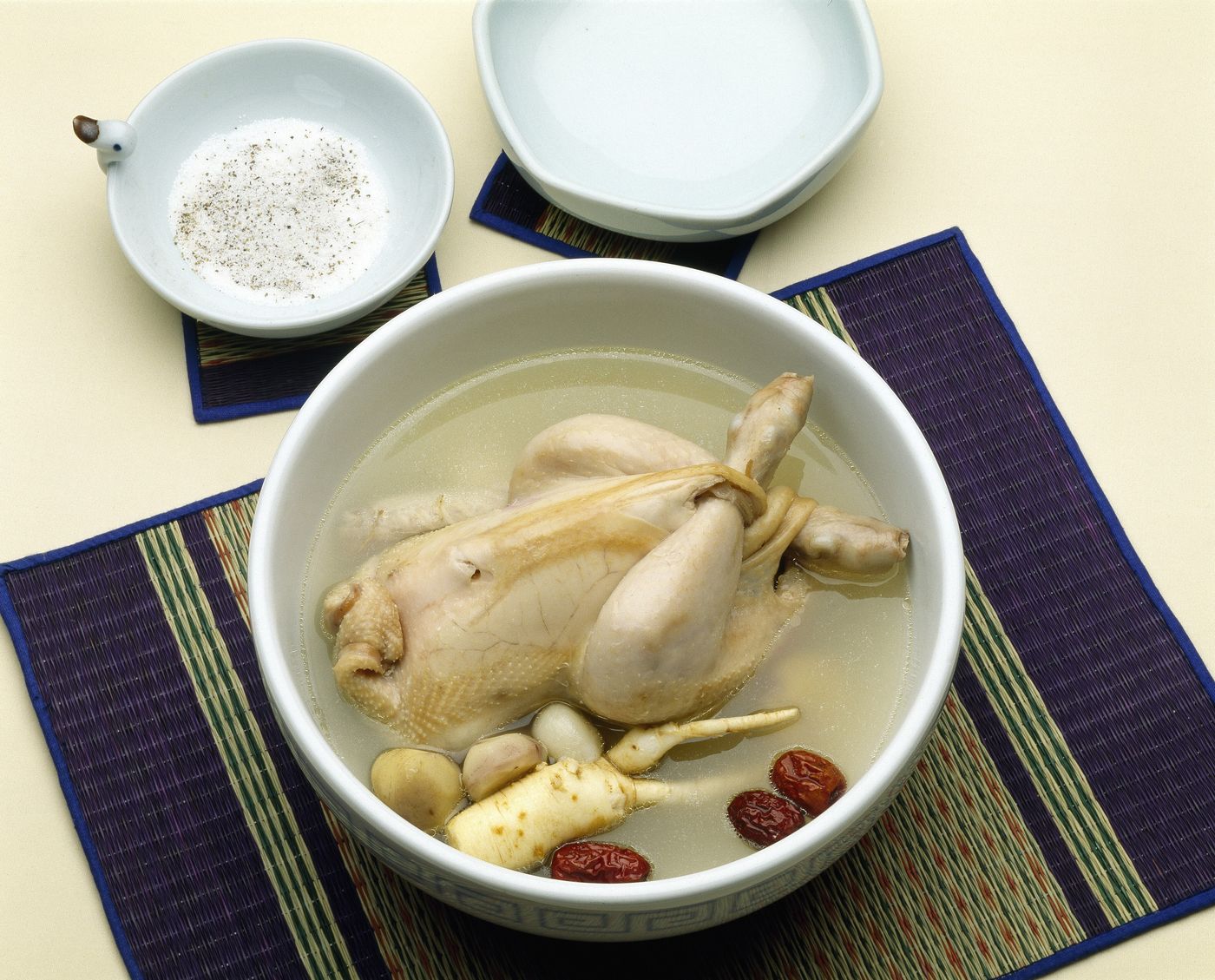
Samgyetang
A whole young chicken stuffed with glutinous rice, ginseng, garlic and jujubes, served as a nourishing soup. The broth is mild but deeply comforting, and the dish is closely linked with summer health traditions.
Did you know?
It is traditionally eaten during the hottest days of summer in Korea according to the idea of fighting heat with heat.
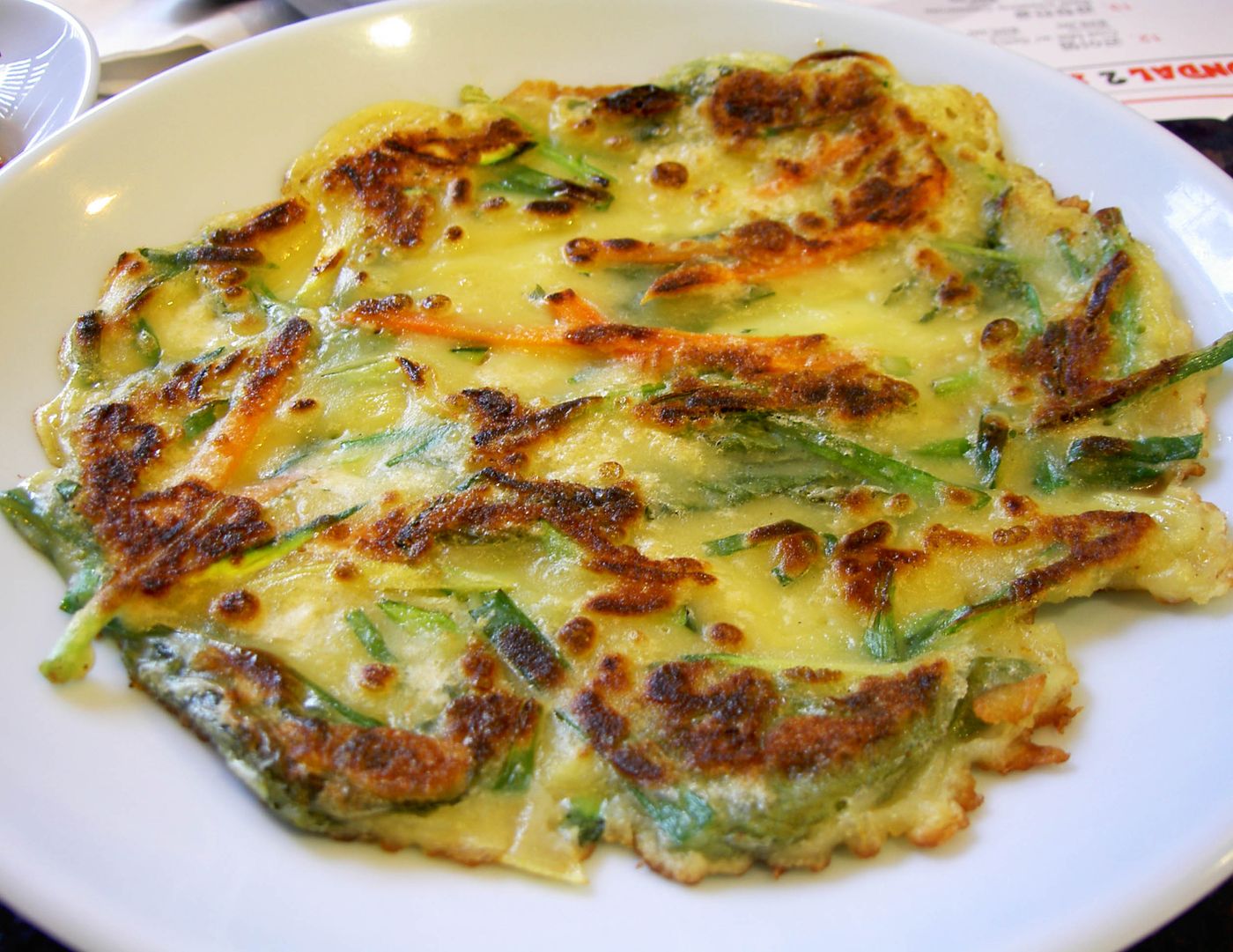
Haemul pajeon
A savoury pancake packed with scallions and mixed seafood, pan-fried until crisp at the edges and tender inside. It is a classic anju dish, often enjoyed with makgeolli on rainy days.
Did you know?
The seafood version is called haemul pajeon, but many people shorten it simply to pajeon in everyday speech.
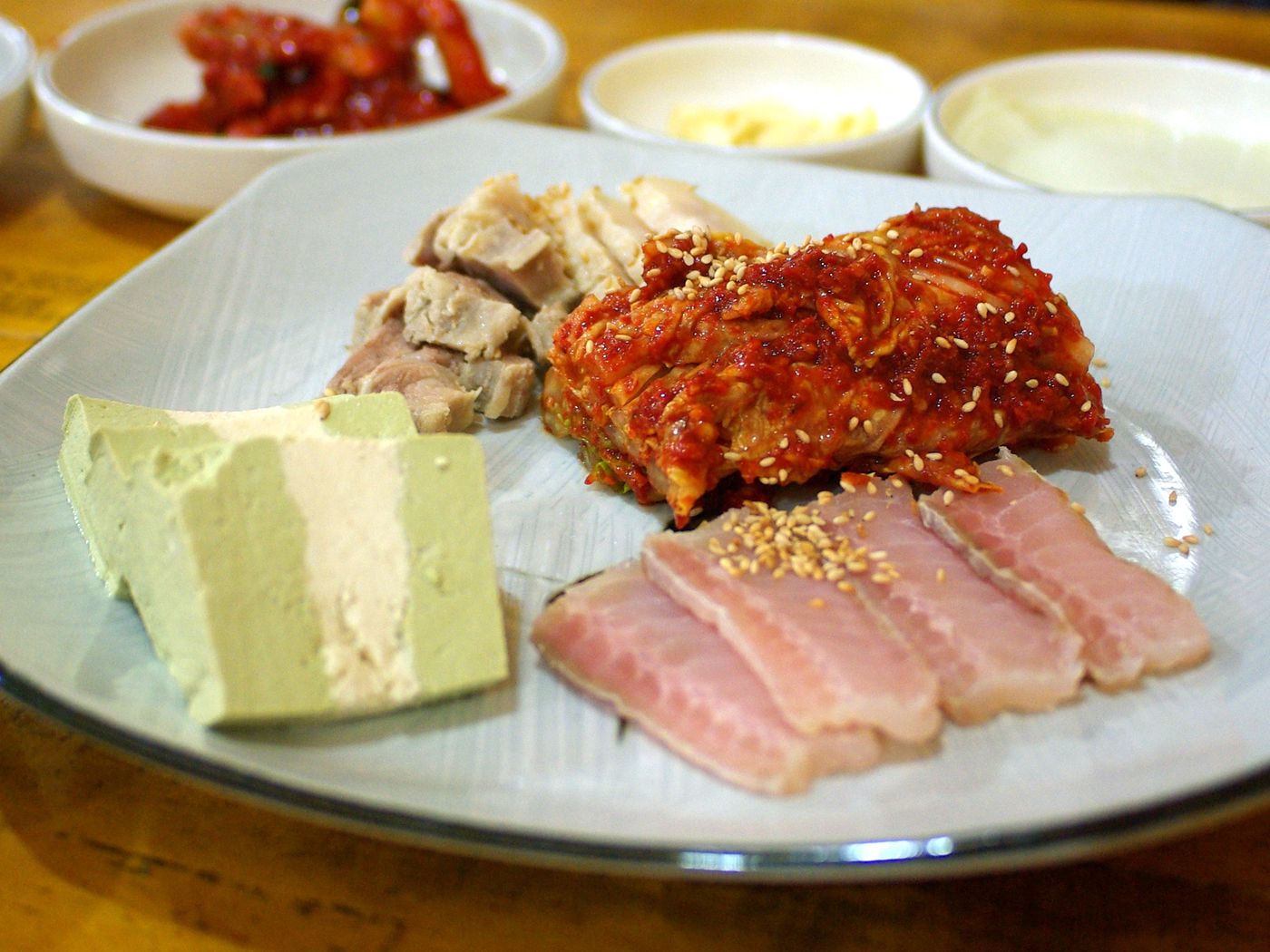
Hongeo-hoe
A pungent Korean delicacy of fermented skate, traditionally associated with the southwest. Its powerful ammonia aroma makes it one of the country's most challenging regional foods.
Did you know?
It is especially associated with Heuksando and the Jeolla region.
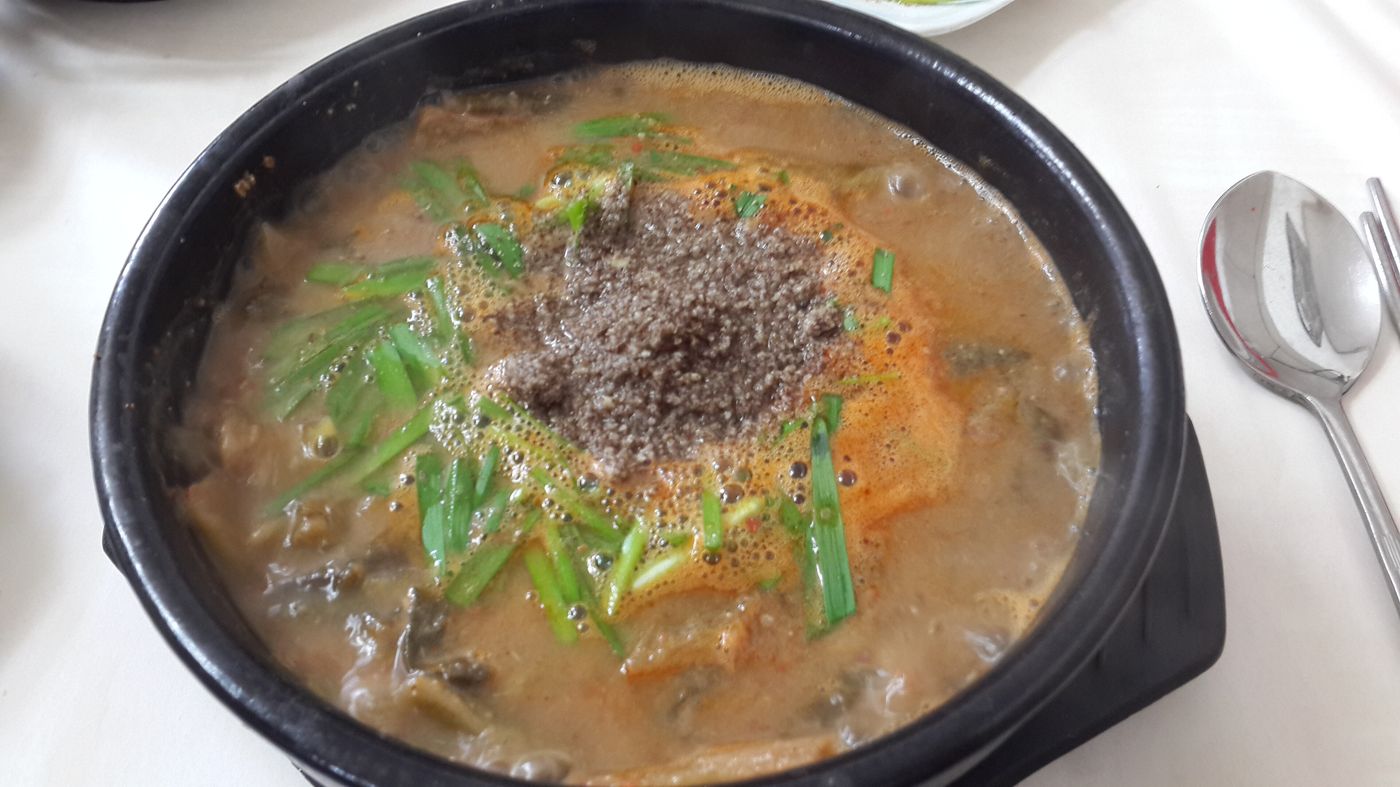
Chueo-tang
A traditional loach soup made by simmering mudfish with vegetables and seasonings until rich and earthy. It is an old-fashioned restorative dish with strong regional roots.
Did you know?
Namwon is particularly famous in Korea for its chueo-tang tradition.