Eastern Asia
Food of Japan
The 11 most iconic national dishes of Japan — real photos, key ingredients and tasty facts behind every plate.
 Asia
Asia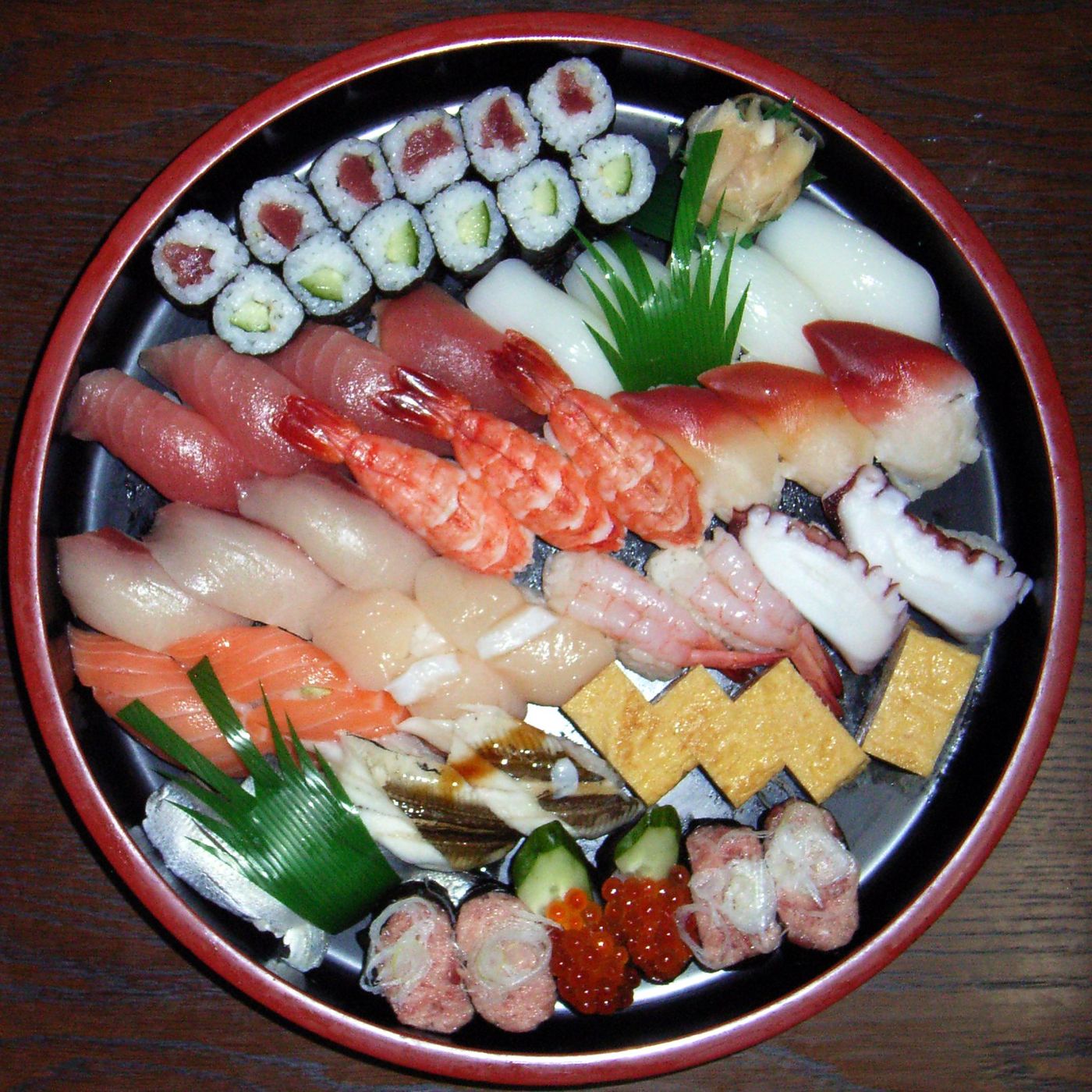
Sushi
Japan’s most internationally famous dish, sushi pairs vinegared rice with raw or cooked seafood, vegetables, and seaweed in many elegant forms. It is prized for its clean flavours, balance, and careful craftsmanship.
Did you know?
Modern nigiri sushi developed in Edo, now Tokyo, in the early 19th century as a fast food sold from street stalls.
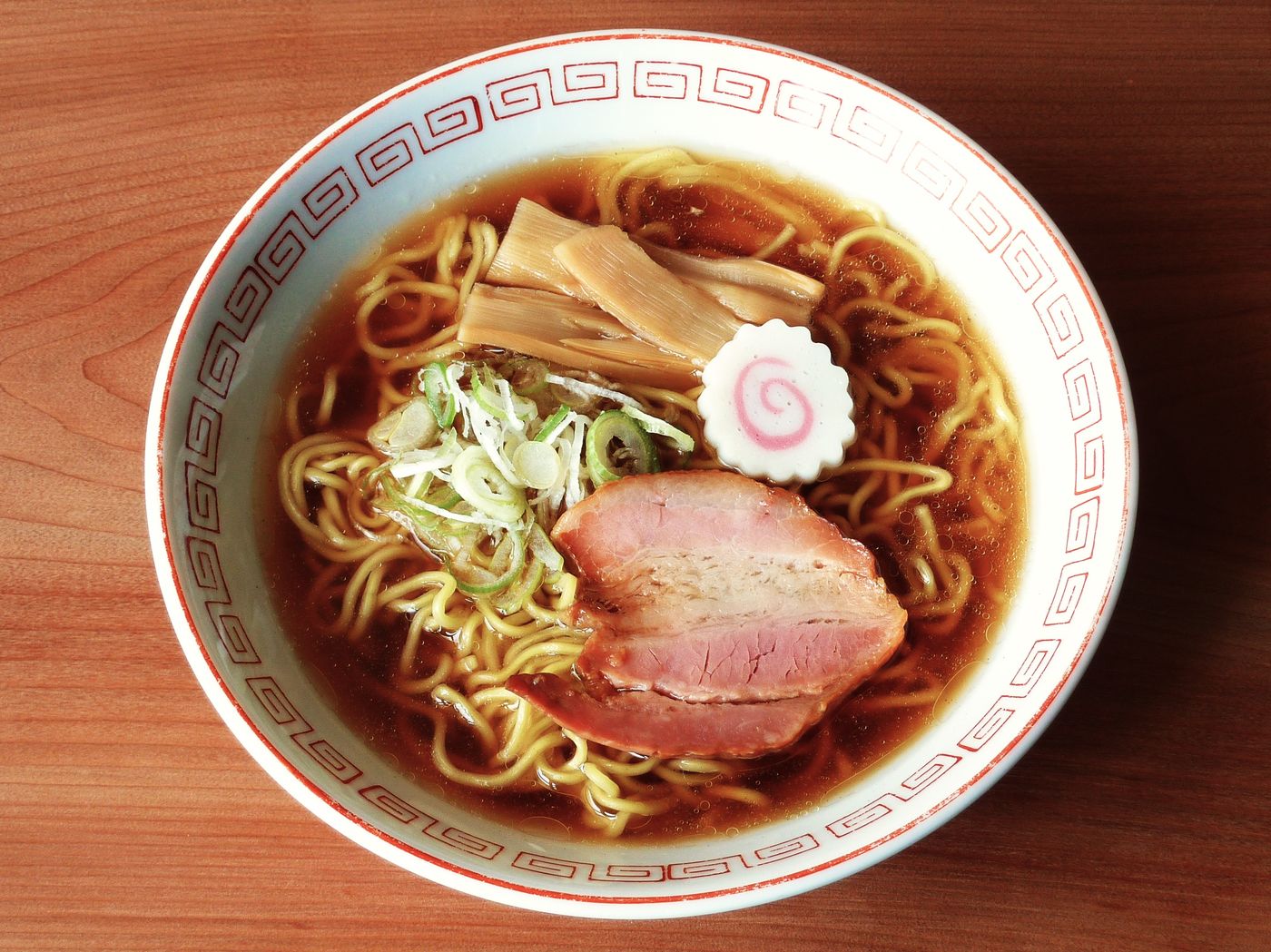
Ramen
A bowl of springy wheat noodles served in a rich broth and topped with items like sliced pork, egg, and scallions. Regional styles vary widely, from miso-rich Hokkaido bowls to soy-based Tokyo ramen.
Did you know?
Although now seen as a Japanese staple, ramen evolved from Chinese noodle dishes and became hugely popular in Japan in the 20th century.
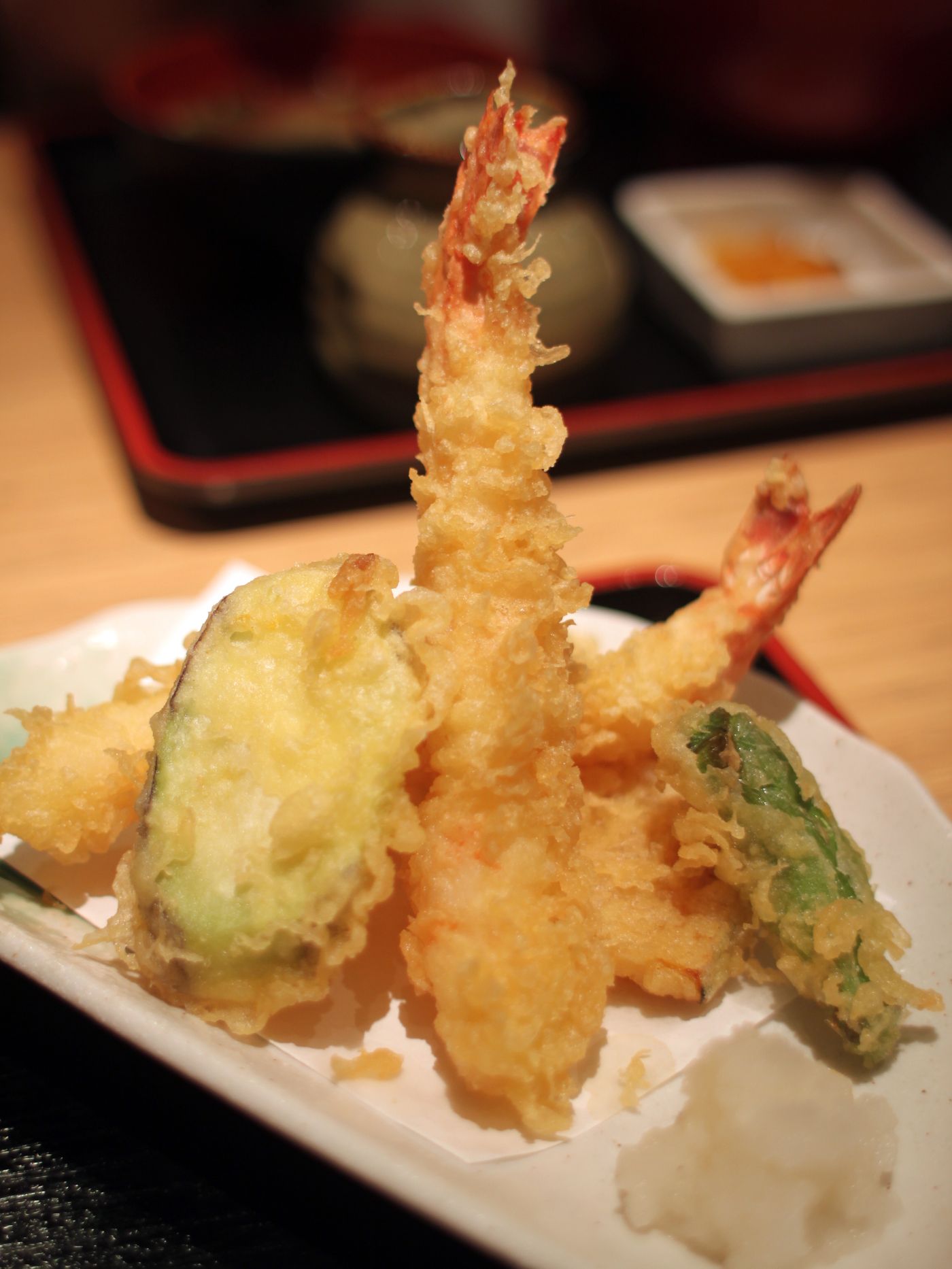
Tempura
Tempura features seafood and vegetables dipped in a light batter and fried until delicately crisp. It tastes airy rather than greasy and is often served with a dipping sauce or salt.
Did you know?
The frying technique is widely believed to have been influenced by Portuguese missionaries and traders in the 16th century.
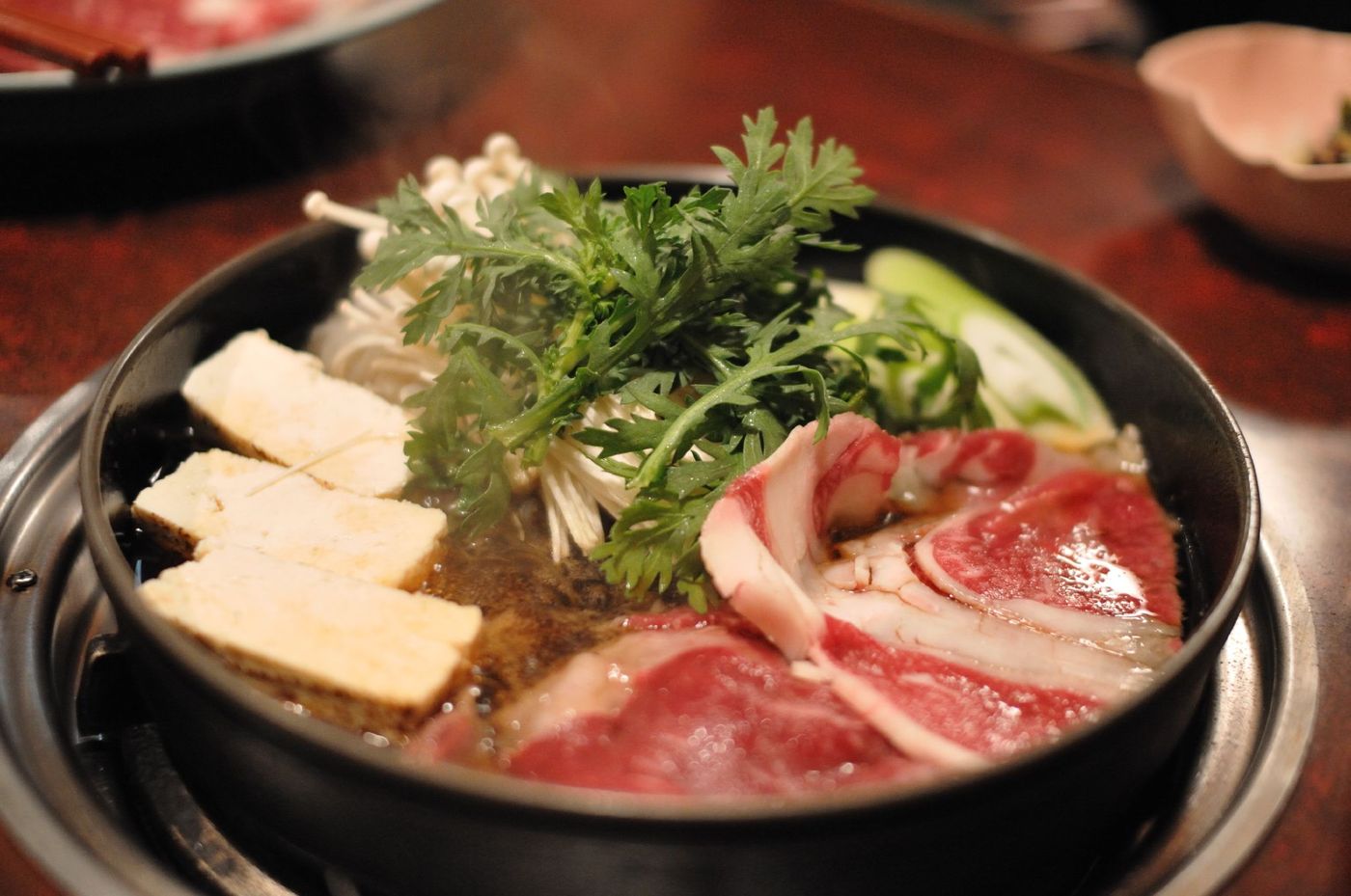
Sukiyaki
A sweet-savory hot pot of thinly sliced beef simmered with tofu, vegetables, and noodles in a soy-based sauce. It is commonly cooked at the table and eaten communally.
Did you know?
Sukiyaki became a symbol of modern meat-eating in Japan after beef consumption spread more widely in the Meiji era.
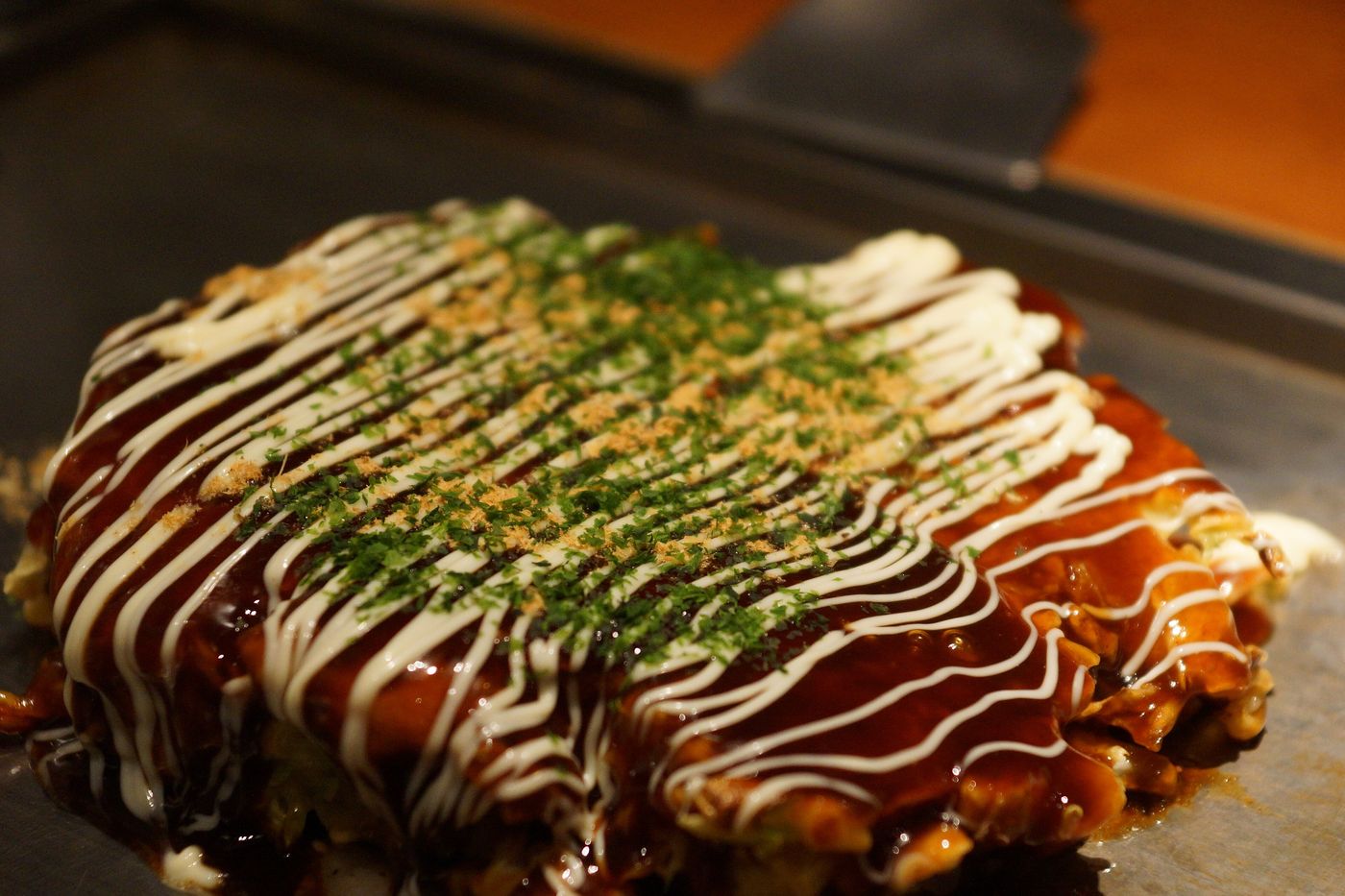
Okonomiyaki
Often described as a savoury pancake, okonomiyaki combines cabbage batter with meats or seafood and is finished with rich sauce, mayonnaise, and bonito flakes. Osaka and Hiroshima are especially famous for their distinct styles.
Did you know?
Its name roughly means 'grill what you like,' reflecting the dish’s flexible, customizable nature.
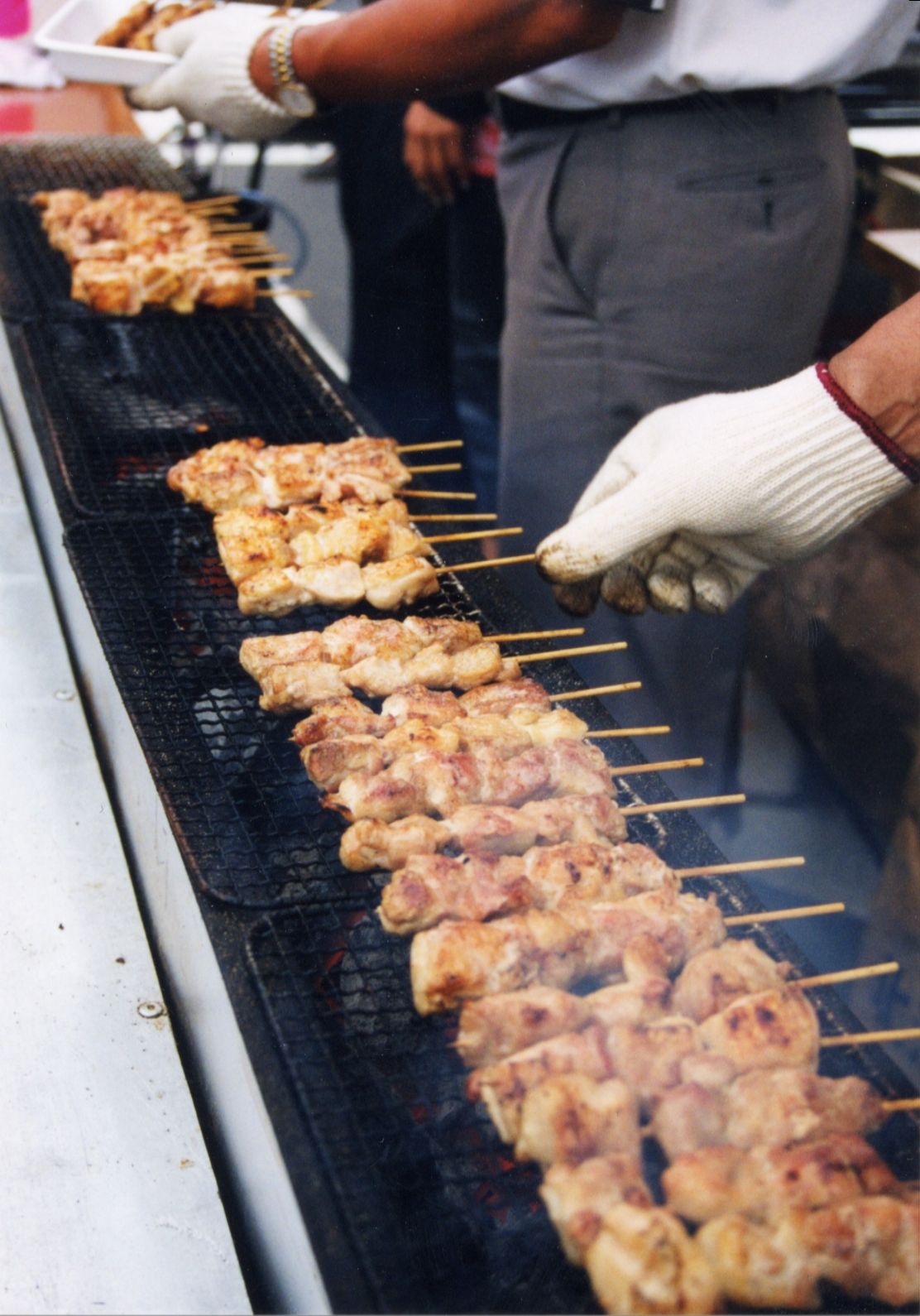
Yakitori
Yakitori consists of bite-sized chicken pieces grilled on skewers over charcoal, often seasoned simply with salt or a glossy tare sauce. It is a classic food of izakaya pubs and street-side stalls.
Did you know?
Specialist yakitori shops often serve many different chicken parts, from thigh and skin to liver and cartilage.
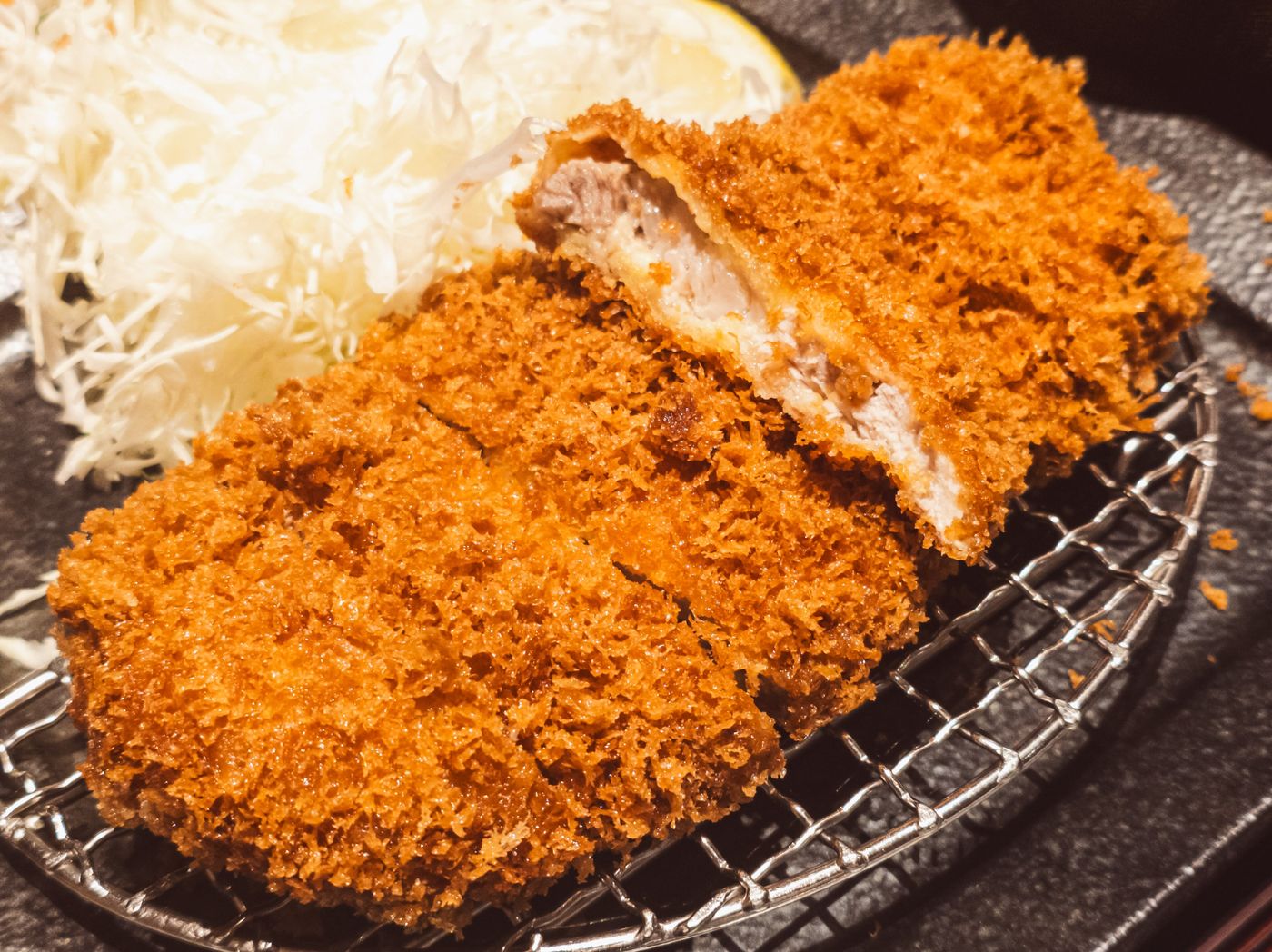
Tonkatsu
This beloved cutlet dish features a breaded pork loin or fillet fried until golden and crunchy, usually served sliced with shredded cabbage. The flavour is rich, juicy, and balanced by tangy tonkatsu sauce.
Did you know?
Tonkatsu is one of Japan’s classic yōshoku dishes, meaning Western-inspired food adapted into a distinct Japanese style.
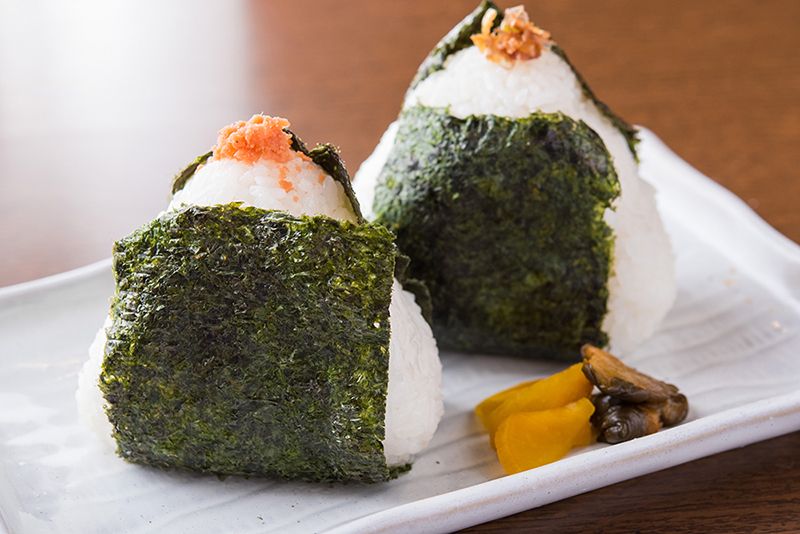
Onigiri
Onigiri are hand-formed rice balls or triangles, often wrapped in nori and filled with ingredients such as salted salmon or pickled plum. They are simple, portable, and deeply familiar in everyday Japanese life.
Did you know?
Rice balls have existed in Japan for centuries, and early forms appear in historical records from the Heian period.
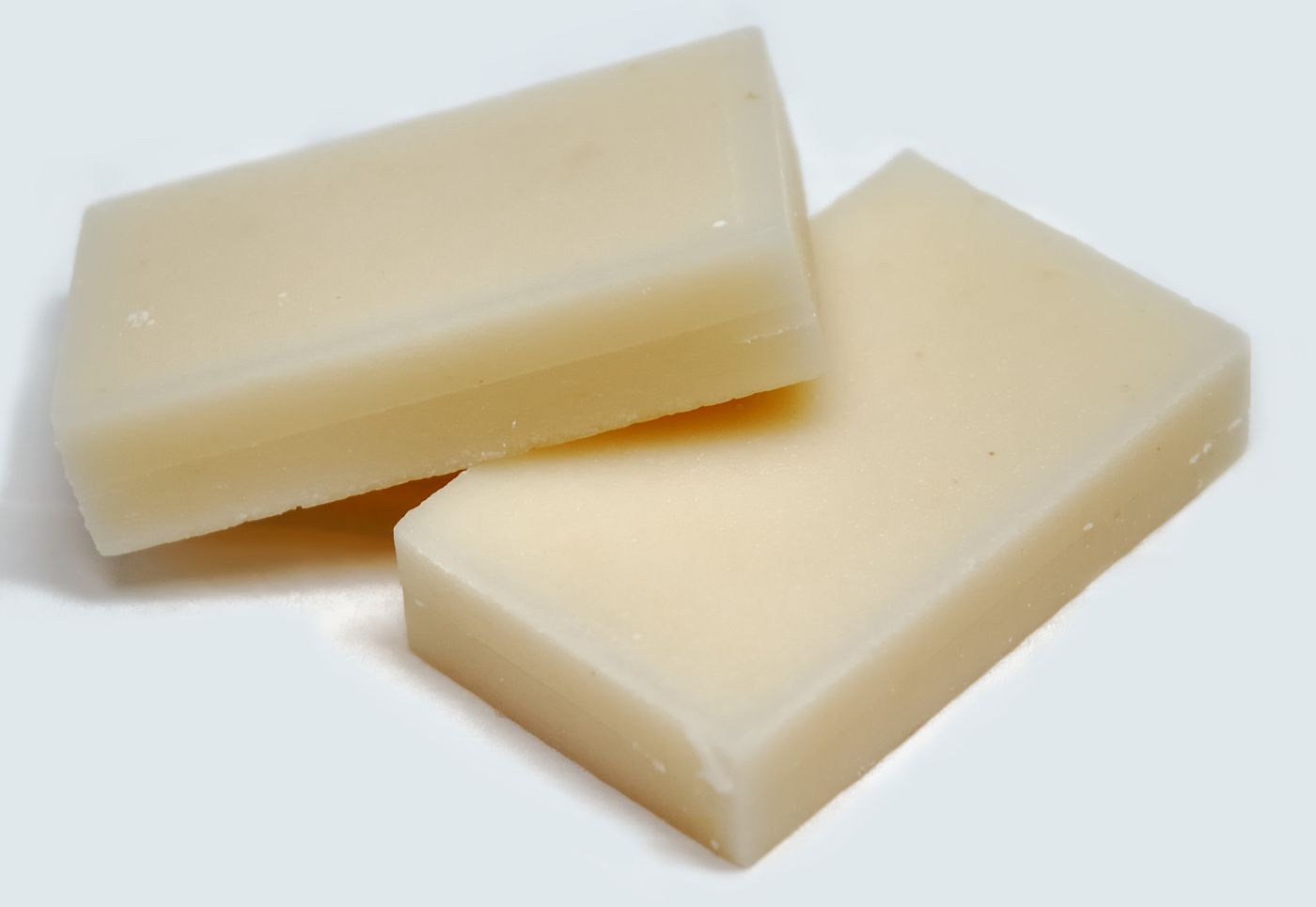
Mochi
Mochi is a chewy rice cake made from pounded glutinous rice, eaten plain or filled and flavoured in many seasonal forms. Its texture is uniquely soft, stretchy, and satisfying.
Did you know?
Traditional mochi-making, called mochitsuki, is a ceremonial New Year activity in which steamed rice is pounded with large wooden mallets.
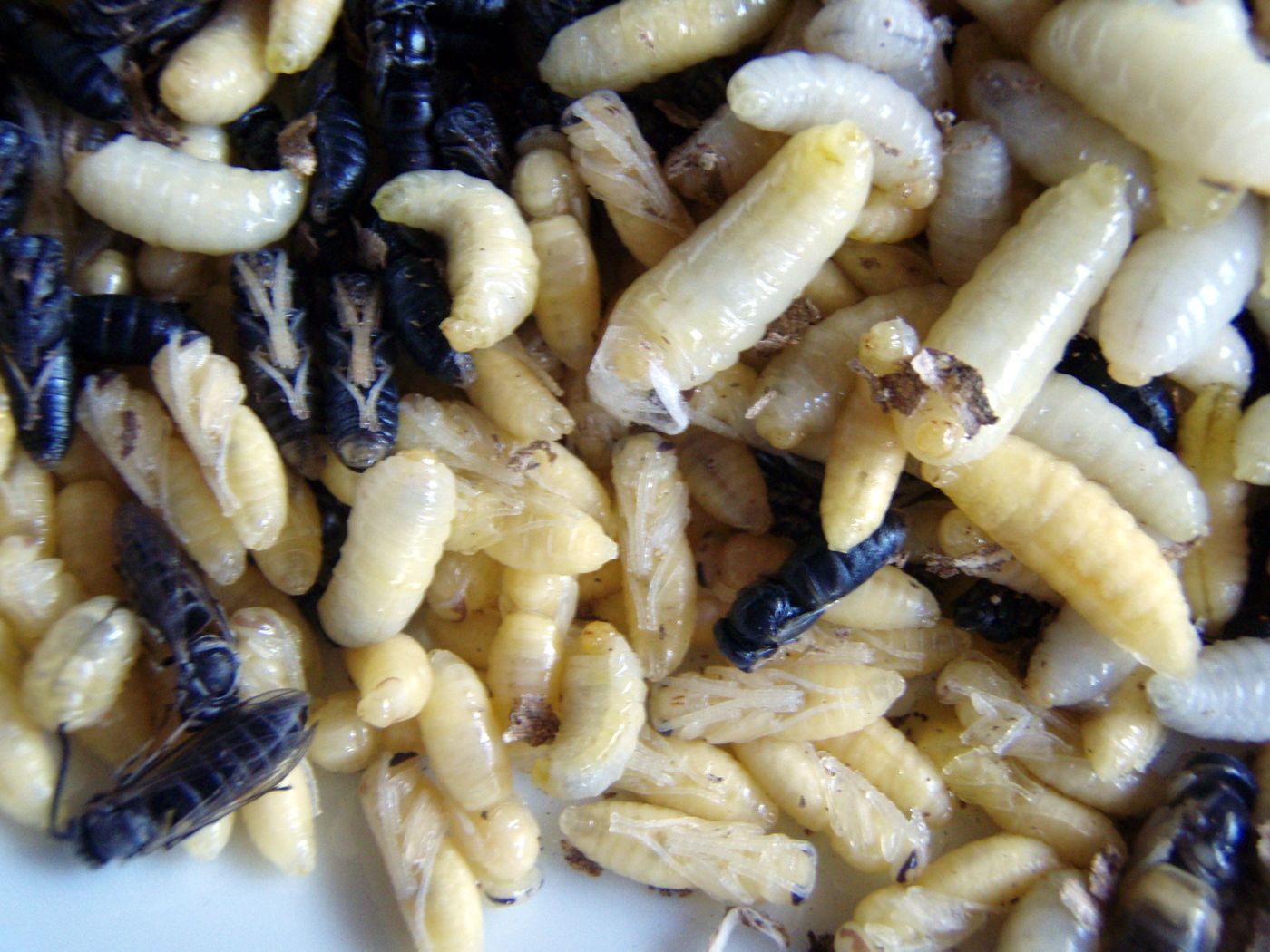
Hachinoko
A traditional Japanese delicacy made from bee or wasp larvae, especially associated with inland mountain regions. It is commonly seasoned sweet-salty and eaten as a preserved side dish or snack.
Did you know?
It is particularly linked with Nagano, Gifu, and Aichi Prefectures, where insect eating developed in areas far from the sea.
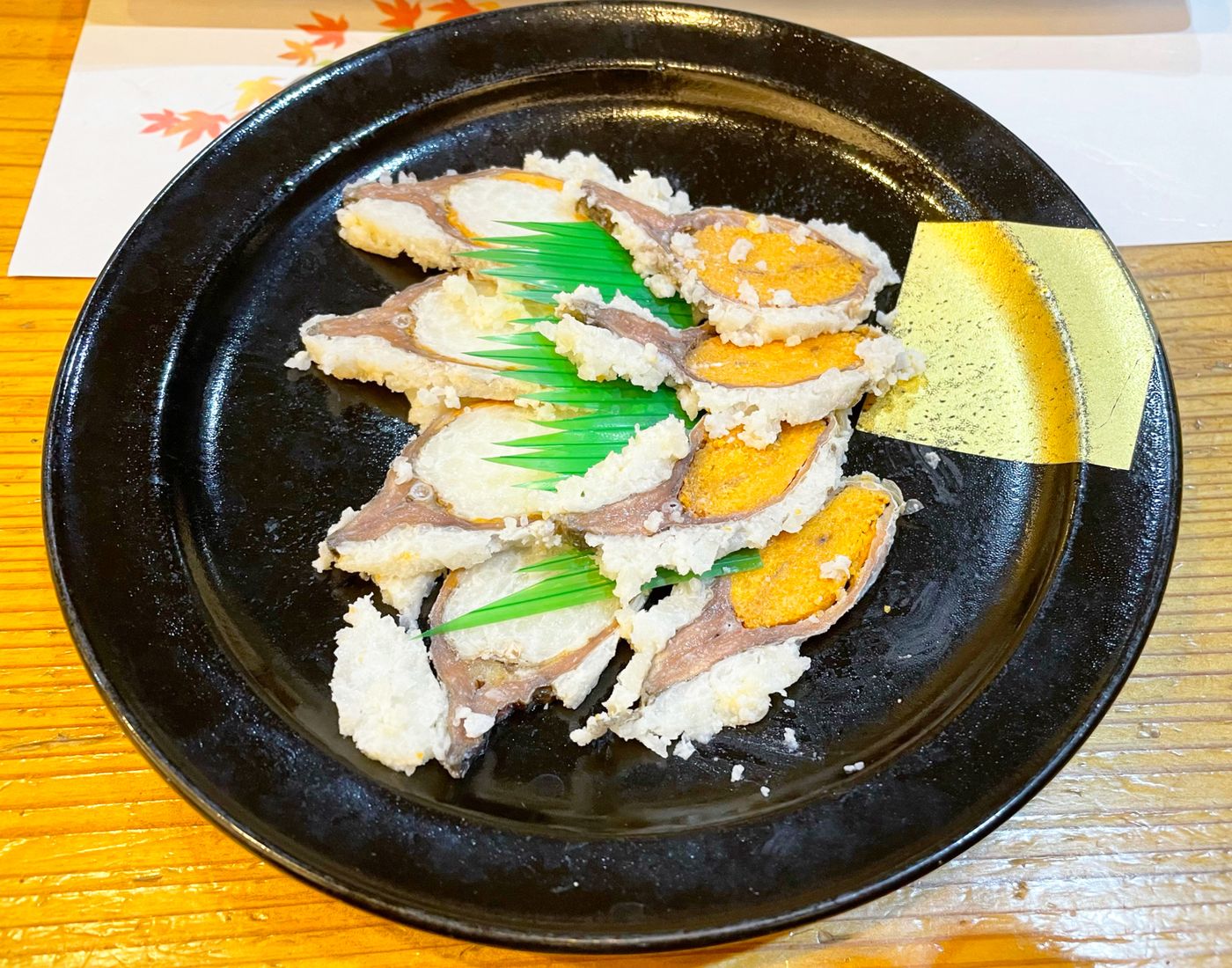
Funazushi
An old fermented sushi specialty from Shiga Prefecture made with crucian carp and rice. It has a powerful aroma and is considered one of Japan’s oldest surviving sushi traditions.
Did you know?
Funazushi is a famous specialty of Lake Biwa and is often described as a predecessor of modern sushi.