Western Asia
Food of Israel
The 7 most iconic national dishes of Israel — real photos, key ingredients and tasty facts behind every plate.
 Asia
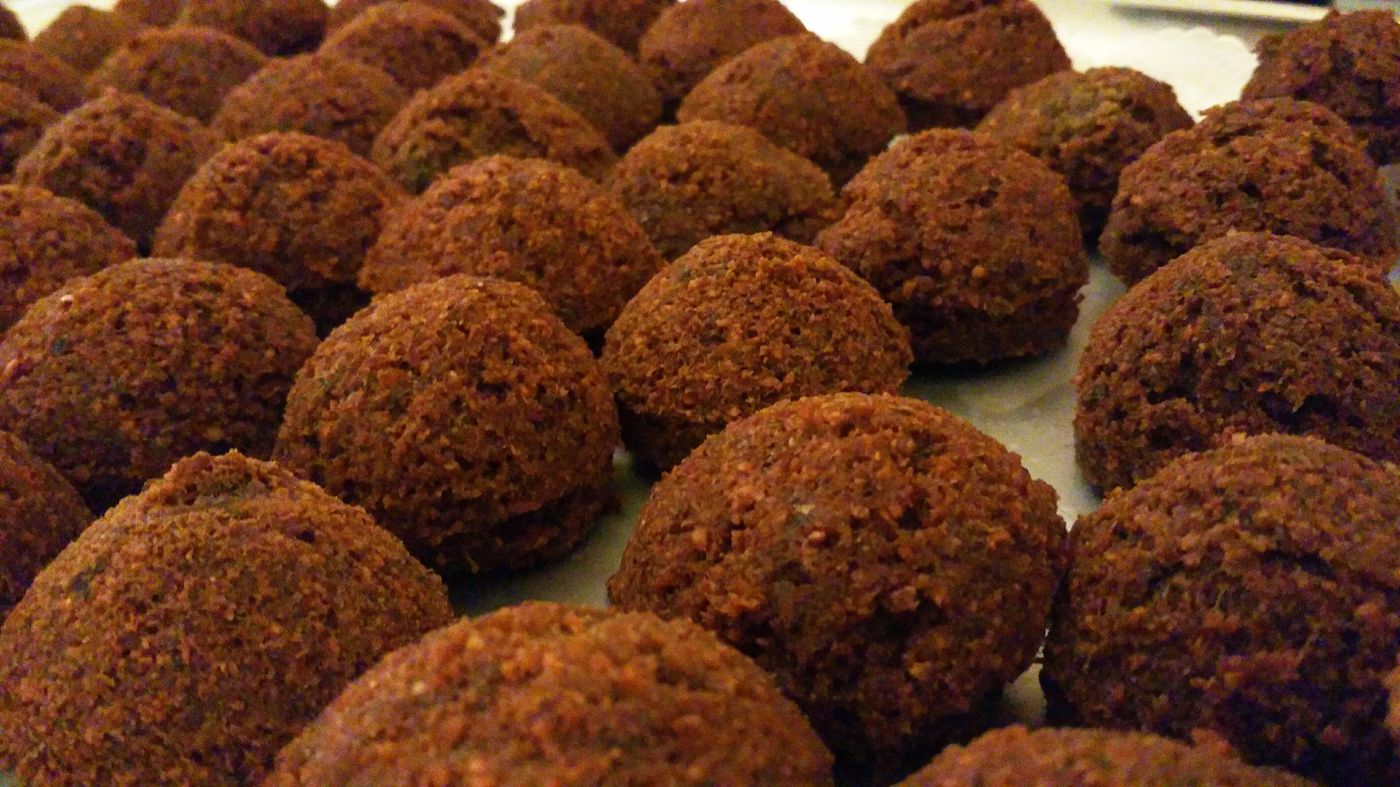
Falafel
Deep-fried balls of ground chickpeas or fava beans seasoned with herbs and spices, usually served in pita with salads and sauces. They are crisp outside, fluffy inside, and one of the country’s most recognizable everyday foods.
Did you know?
Falafel is often treated as an unofficial national dish of Israel, even though its deeper origins are shared across the wider Middle East.
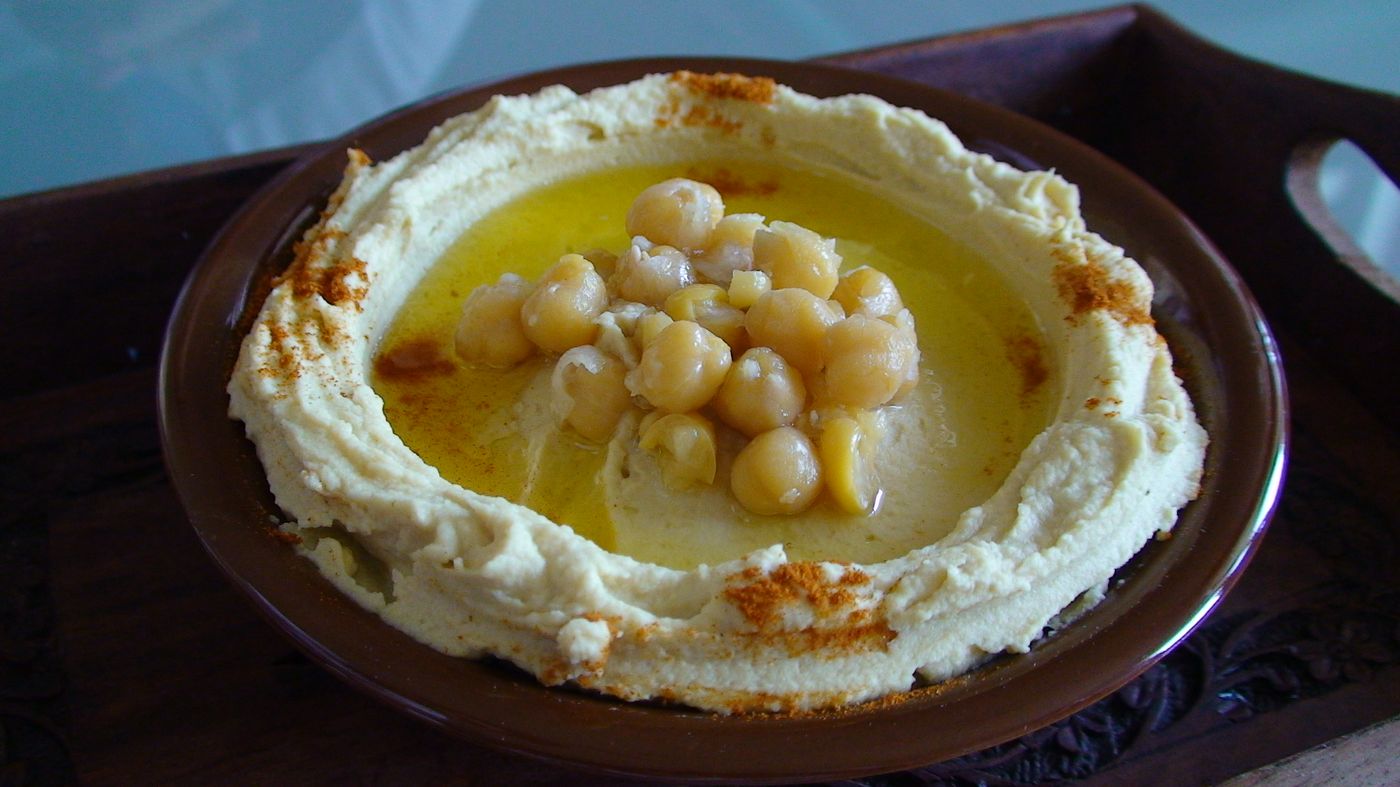
Hummus
A smooth, rich chickpea purée blended with tahini, lemon, and garlic, commonly eaten warm or at room temperature with pita. In Israel it is often served as a full meal with toppings such as whole chickpeas, olive oil, or hard-boiled egg.
Did you know?
Dedicated hummus restaurants are common in Israel, where many people debate fiercely over the best local style and topping combinations.
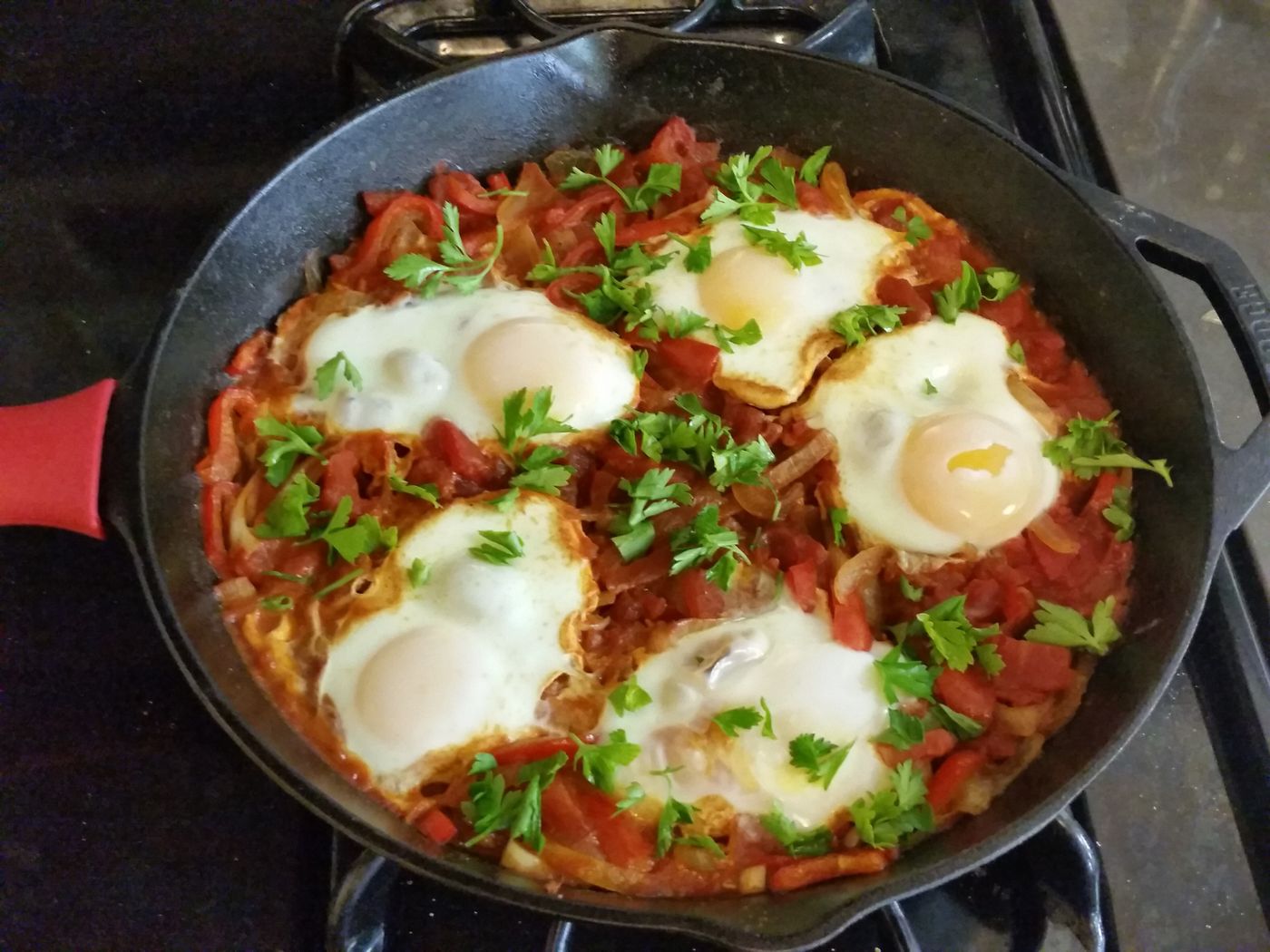
Shakshouka
Eggs are poached in a bubbling sauce of tomatoes, peppers, and spices, then served straight from the pan with bread. It is savory, tangy, and especially popular for breakfast or brunch.
Did you know?
Shakshouka became a staple of Israeli home cooking through North African Jewish culinary traditions, especially those of Tunisian origin.
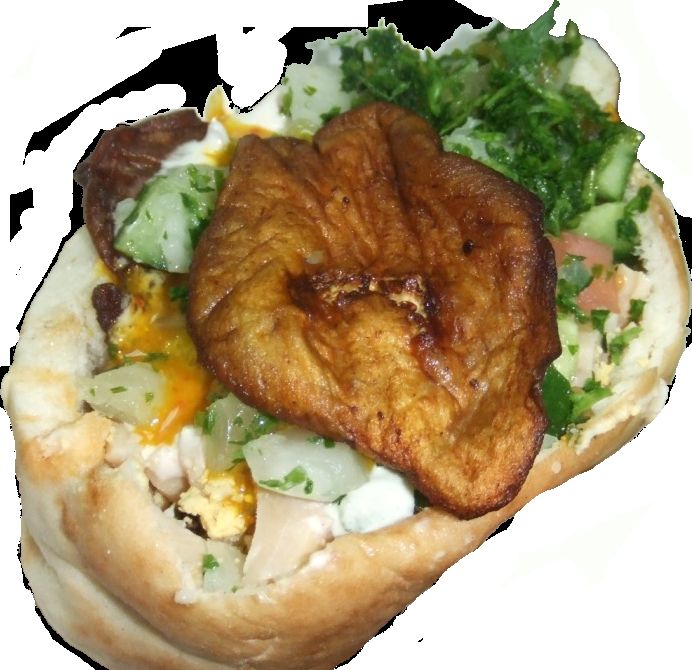
Sabich
A stuffed pita filled with fried eggplant, hard-boiled eggs, salads, tahini, and amba, a tangy mango pickle sauce. It is rich, messy, and beloved as a distinctly Israeli street-food sandwich.
Did you know?
Sabich was introduced to Israel by Iraqi Jews and is traditionally linked to the Sabbath, when pre-cooked ingredients were ready to eat the next day.
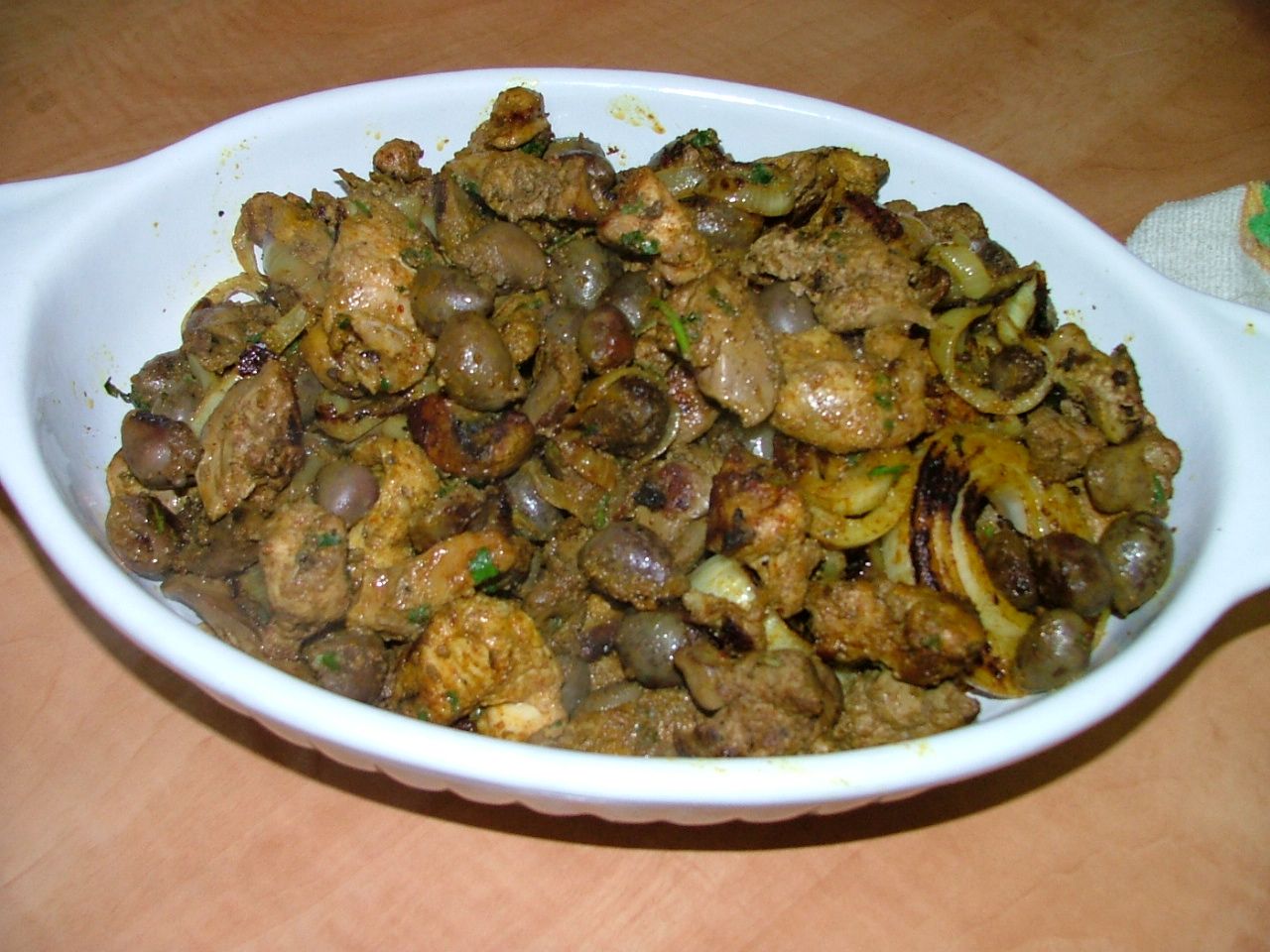
Jerusalem mixed grill
Known locally as me'orav Yerushalmi, this is a hot griddled mix of chicken hearts, spleen, liver, and meat scraps seasoned with spices and onions. It is intensely savory and strongly associated with Jerusalem markets and grills.
Did you know?
The dish originated in Jerusalem’s Mahane Yehuda market area and became one of the city’s signature late-night foods.
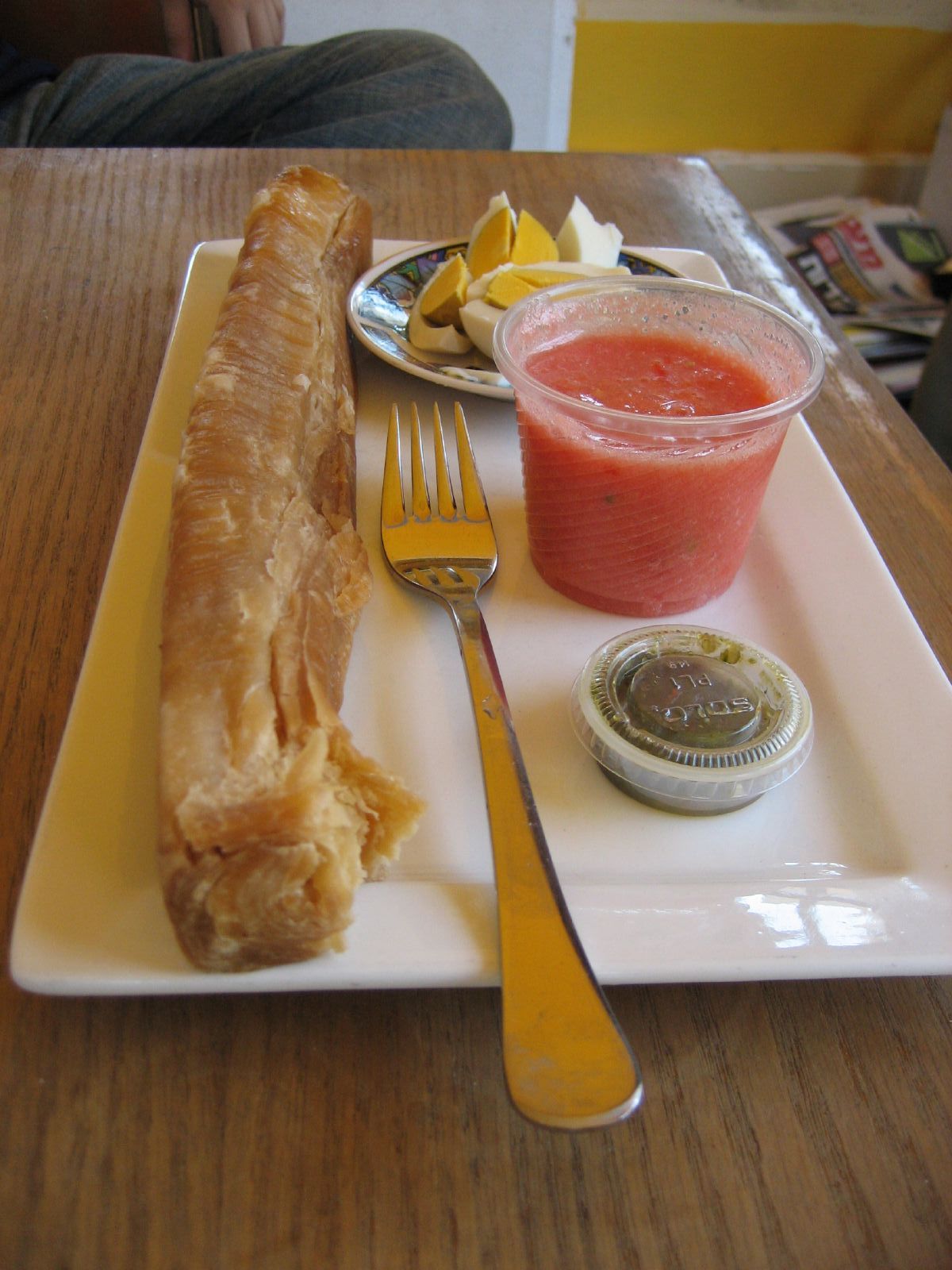
Jachnun
A Yemenite Jewish pastry made from rolled dough slow-baked overnight until it turns dark, tender, and caramelized. It is usually eaten on Sabbath morning with tomato sauce, zhug, and hard-boiled eggs.
Did you know?
Its long, low baking method was traditionally designed to comply with Sabbath cooking restrictions while still providing a hot meal.
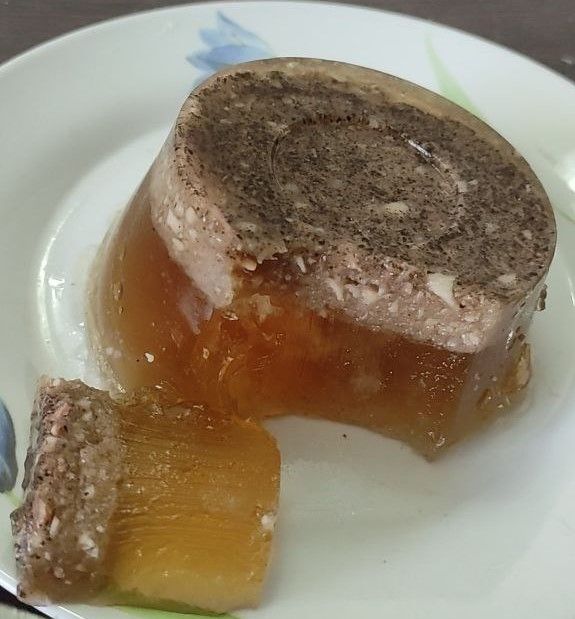
Ptcha
A chilled aspic made by simmering calves' feet or similar collagen-rich cuts until they set into a savory jelly. Its texture is unusual, and it survives mainly in older Ashkenazi Jewish culinary traditions in Israel.
Did you know?
P'tcha was historically valued as a way to use every part of the animal, turning inexpensive gelatin-rich cuts into a preserved cold dish.