Northern Europe
Food of Iceland
The 6 most iconic national dishes of Iceland — real photos, key ingredients and tasty facts behind every plate.
 Europe
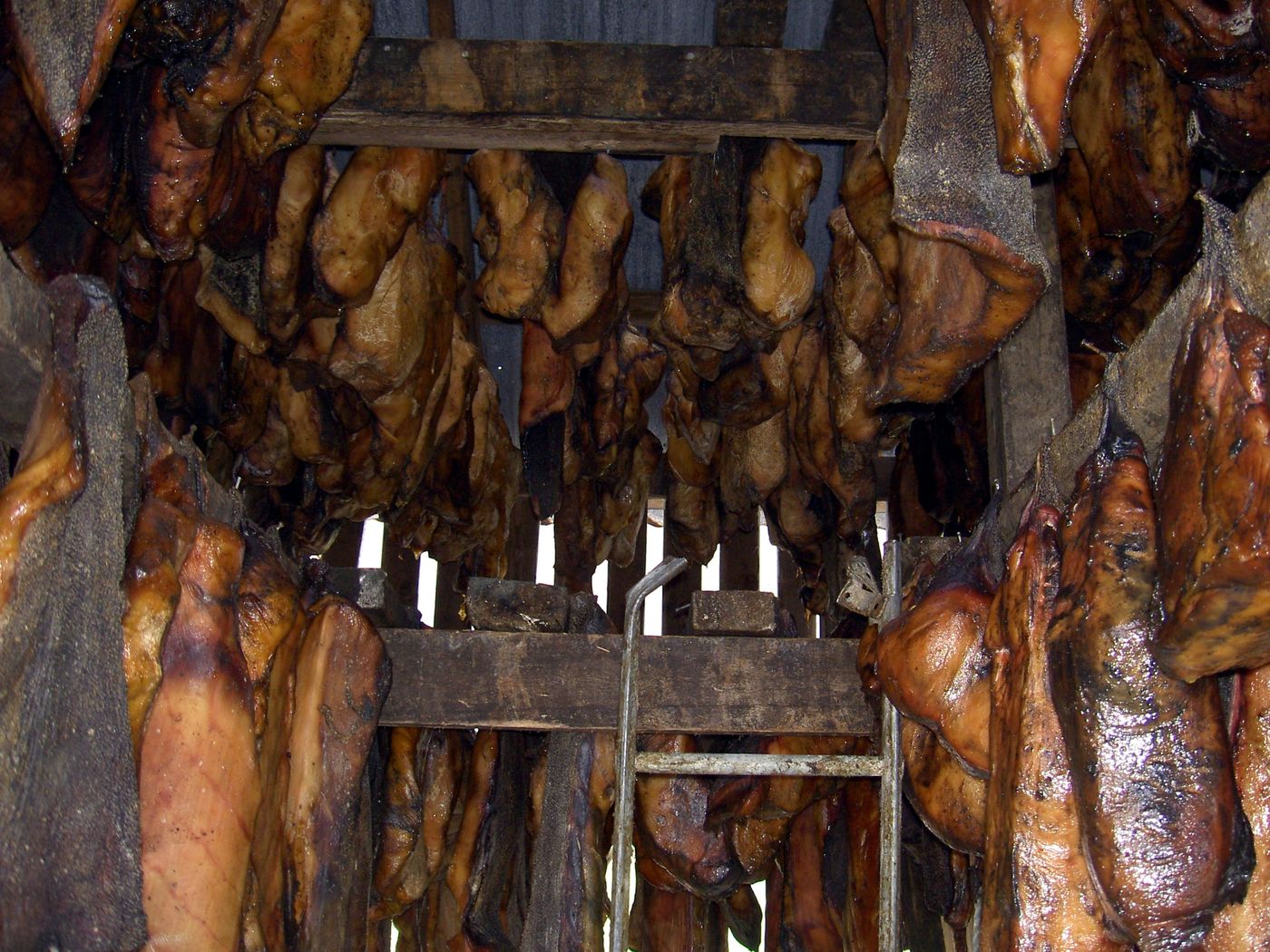
Hákarl
A famously pungent Icelandic specialty made from fermented Greenland shark, with a strong ammonia aroma and chewy texture. It is usually eaten in small cubes as a traditional tasting food.
Did you know?
Fresh Greenland shark meat is toxic, so it must be fermented and dried before it can be safely eaten.
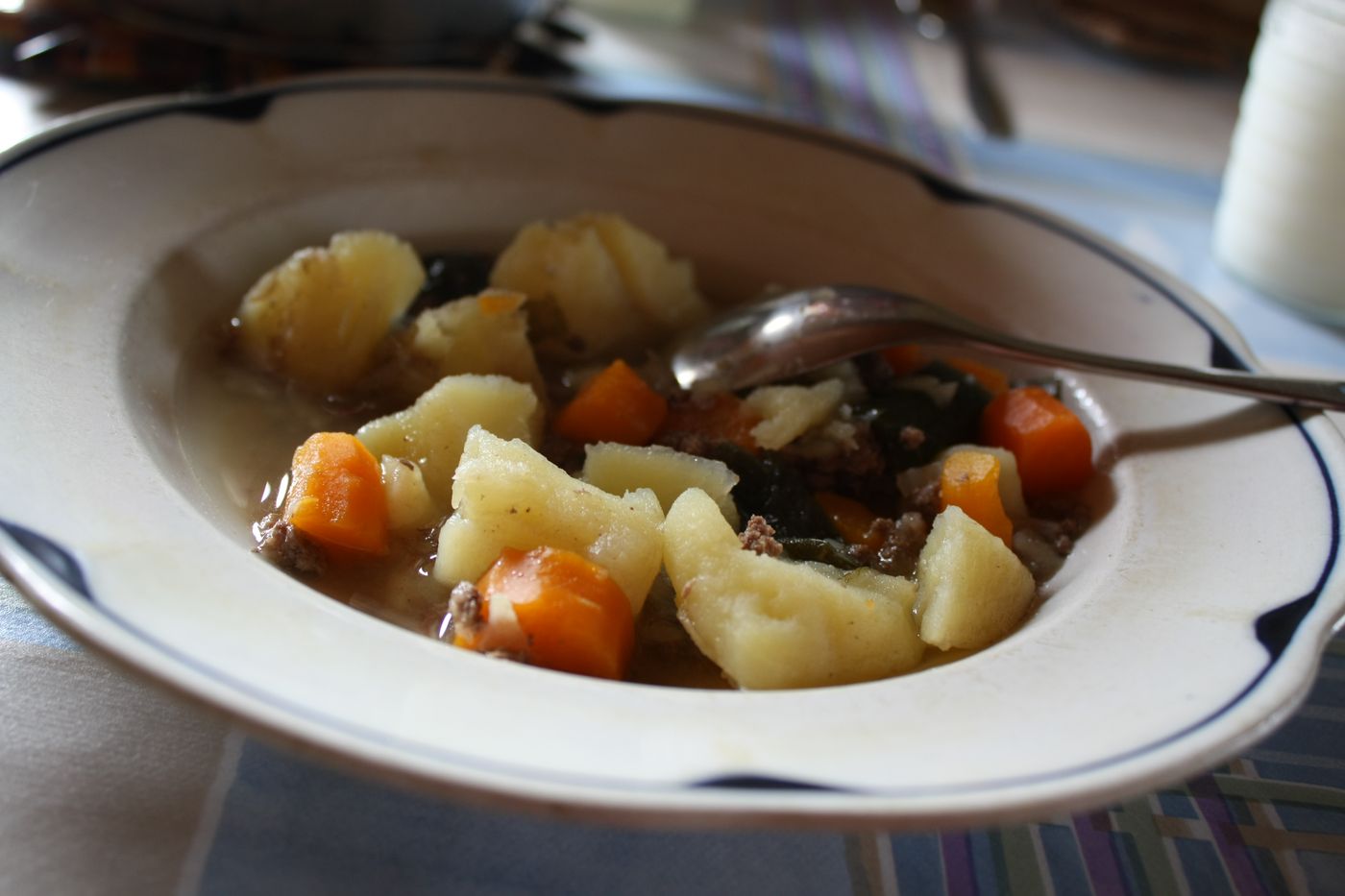
Icelandic lamb soup
A hearty traditional soup of lamb and root vegetables in a clear, savory broth. It is warming, rustic and closely associated with home cooking in Iceland.
Did you know?
Kjötsúpa is often considered a classic everyday national dish, especially valued during Iceland’s cold seasons.
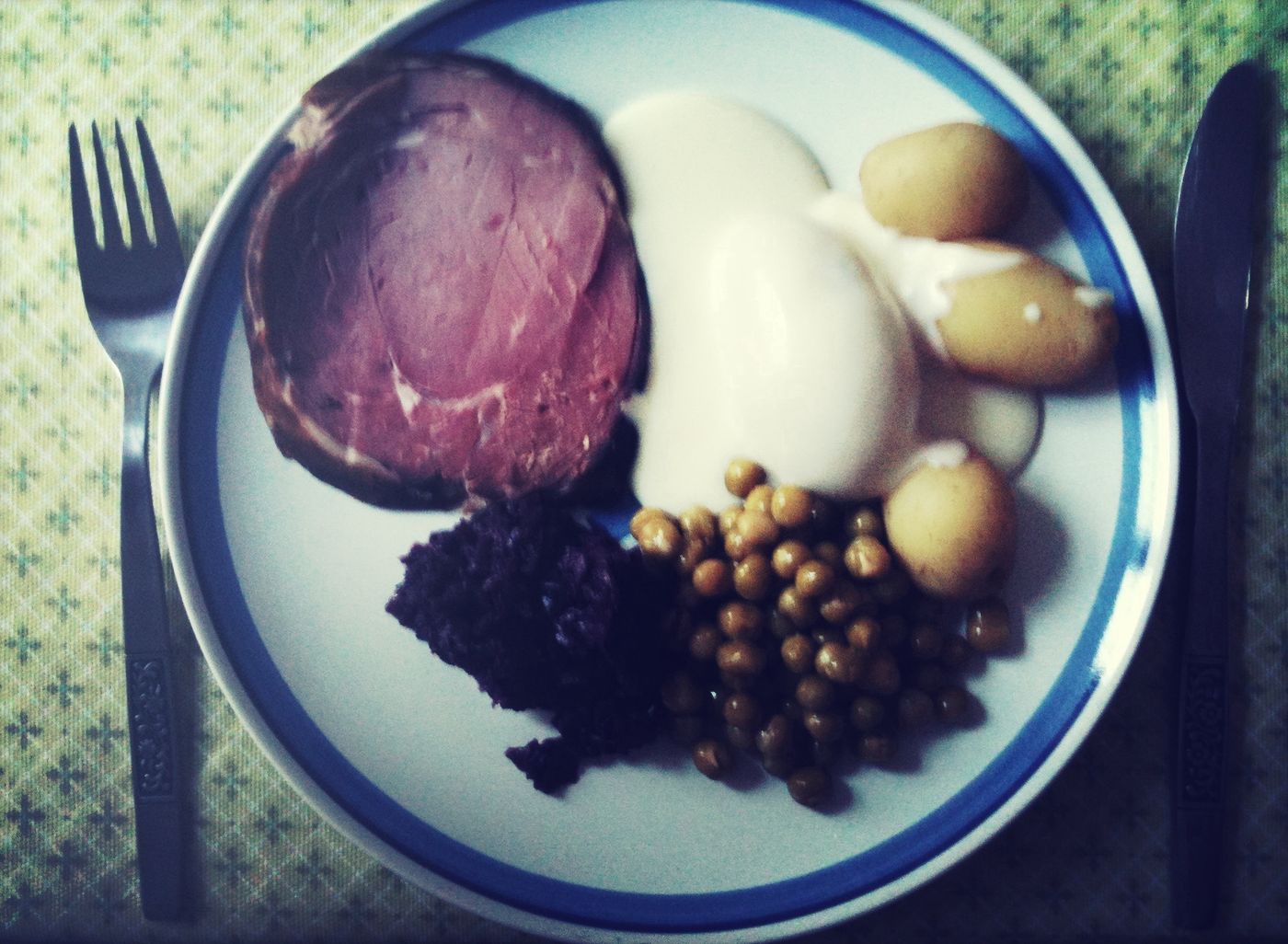
Hangikjöt
This traditional smoked lamb is usually served sliced hot or cold, often with potatoes and béchamel-like sauce. It has a distinct smoky, salty flavor and is especially tied to festive meals.
Did you know?
Hangikjöt is a staple of Icelandic Christmas dinners and was historically smoked over birch or even dried sheep dung.
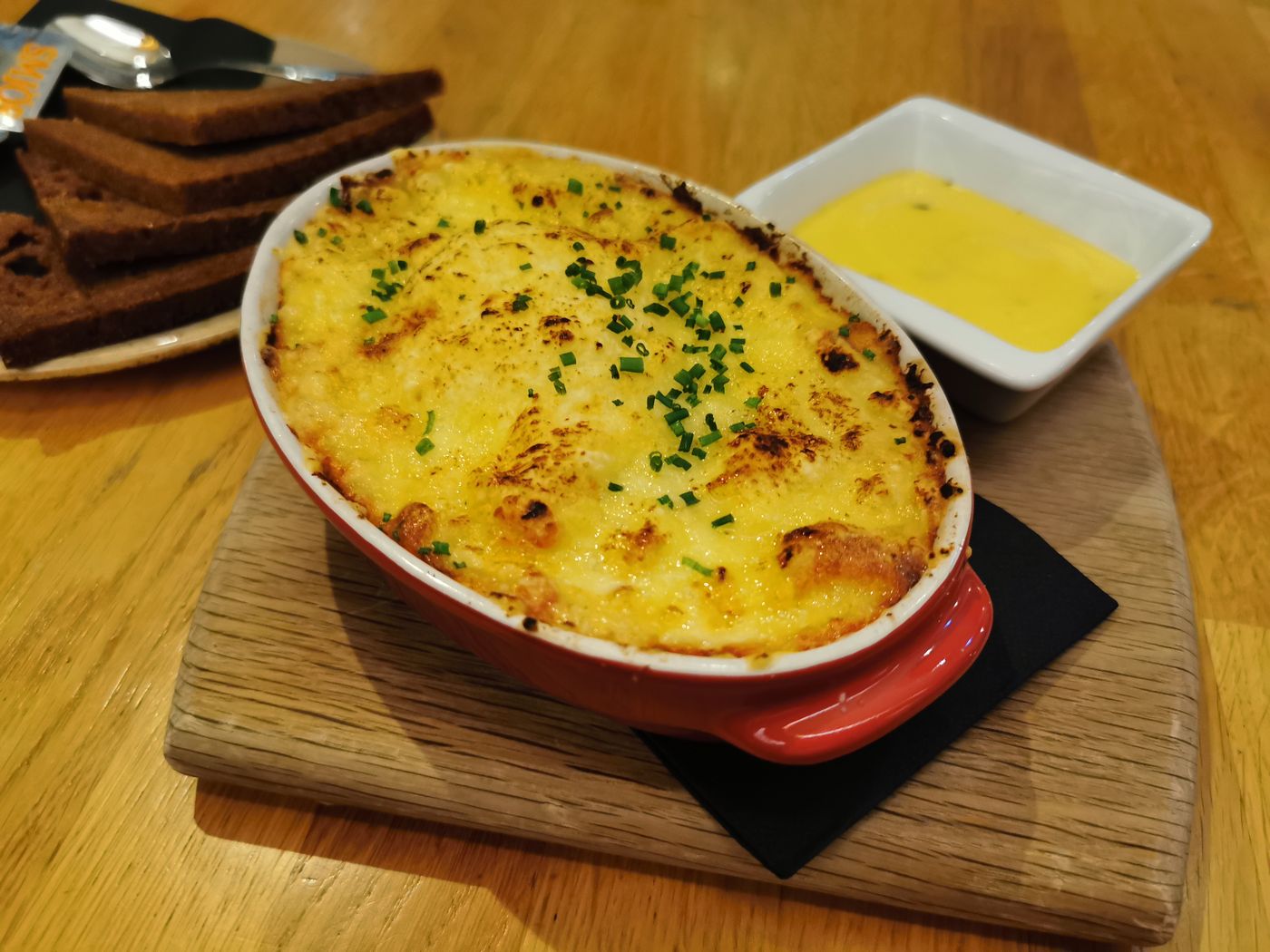
Plokkfiskur
A comforting fish mash made from poached white fish, potatoes and onions bound into a creamy mixture. It is mild, filling and commonly served with dark rye bread.
Did you know?
Plokkfiskur began as a practical way to use leftover boiled fish and potatoes, but it became one of Iceland’s best-loved comfort foods.
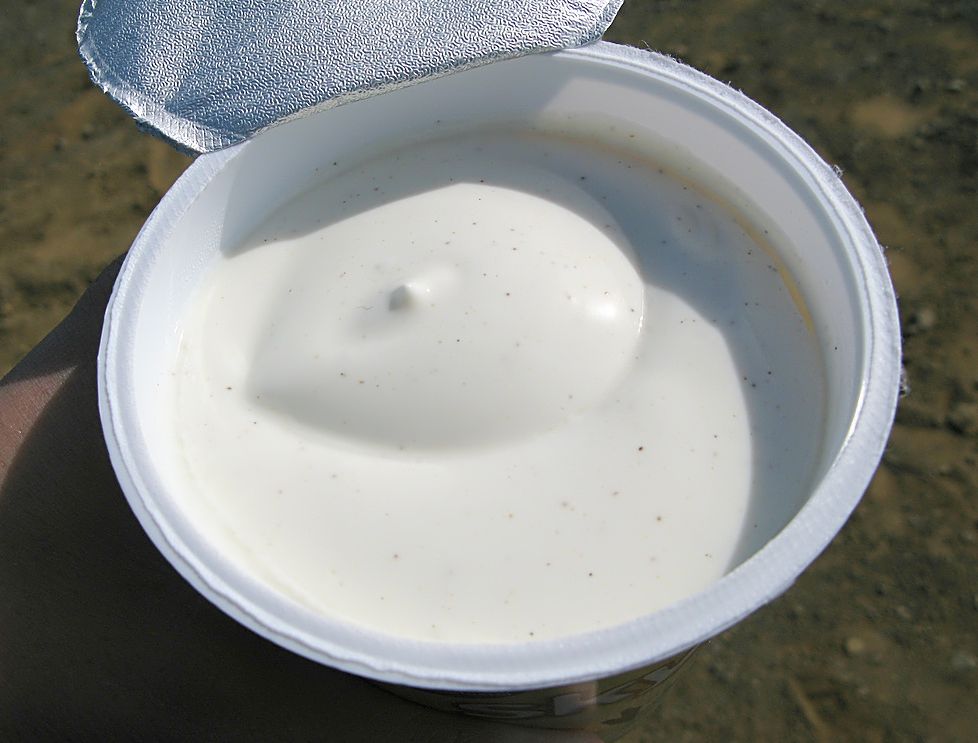
Skyr
A thick cultured dairy product with a creamy texture and tangy, yogurt-like taste, often eaten plain or with berries. Despite often being compared to yogurt, it is traditionally classified as a fresh sour milk cheese.
Did you know?
Skyr has been part of Icelandic food culture since the Viking Age and remains one of the country’s most recognizable foods.
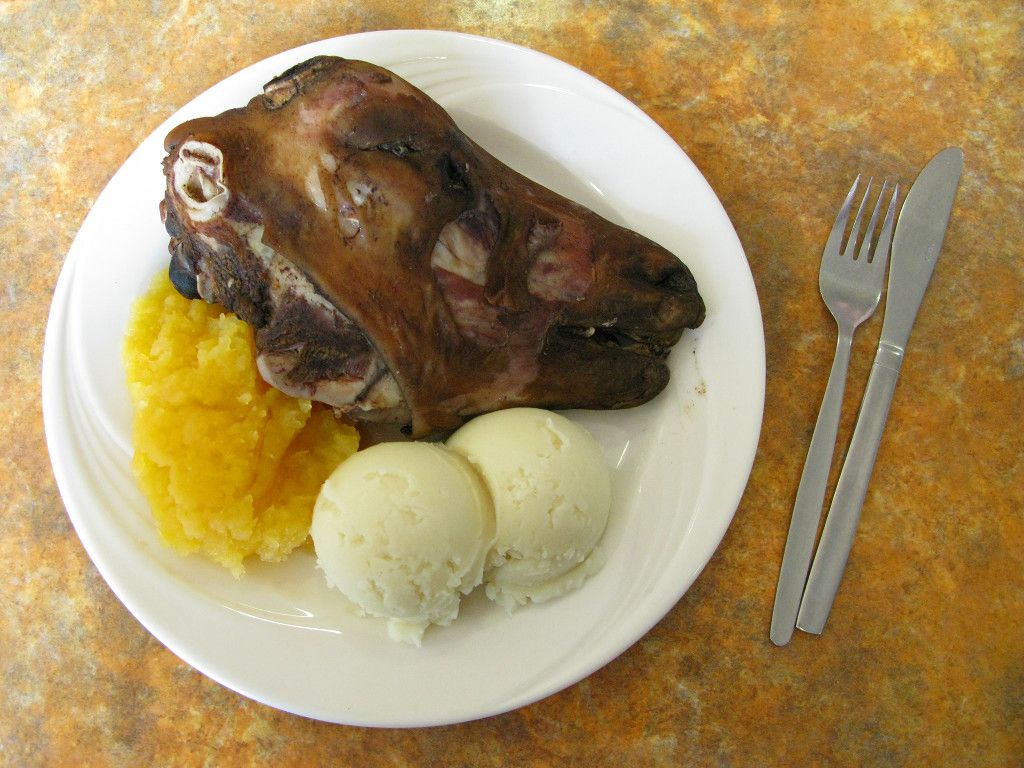
Svið
A traditional dish consisting of a singed and boiled sheep’s head, usually split in half and served whole. The flavor is rich and gelatinous, and it is strongly associated with old rural food traditions.
Did you know?
Svið is part of Þorramatur, the assortment of traditional Icelandic foods eaten during the midwinter festival season of Þorri.