Southern Europe
Food of Spain
The 11 most iconic national dishes of Spain — real photos, key ingredients and tasty facts behind every plate.
 Europe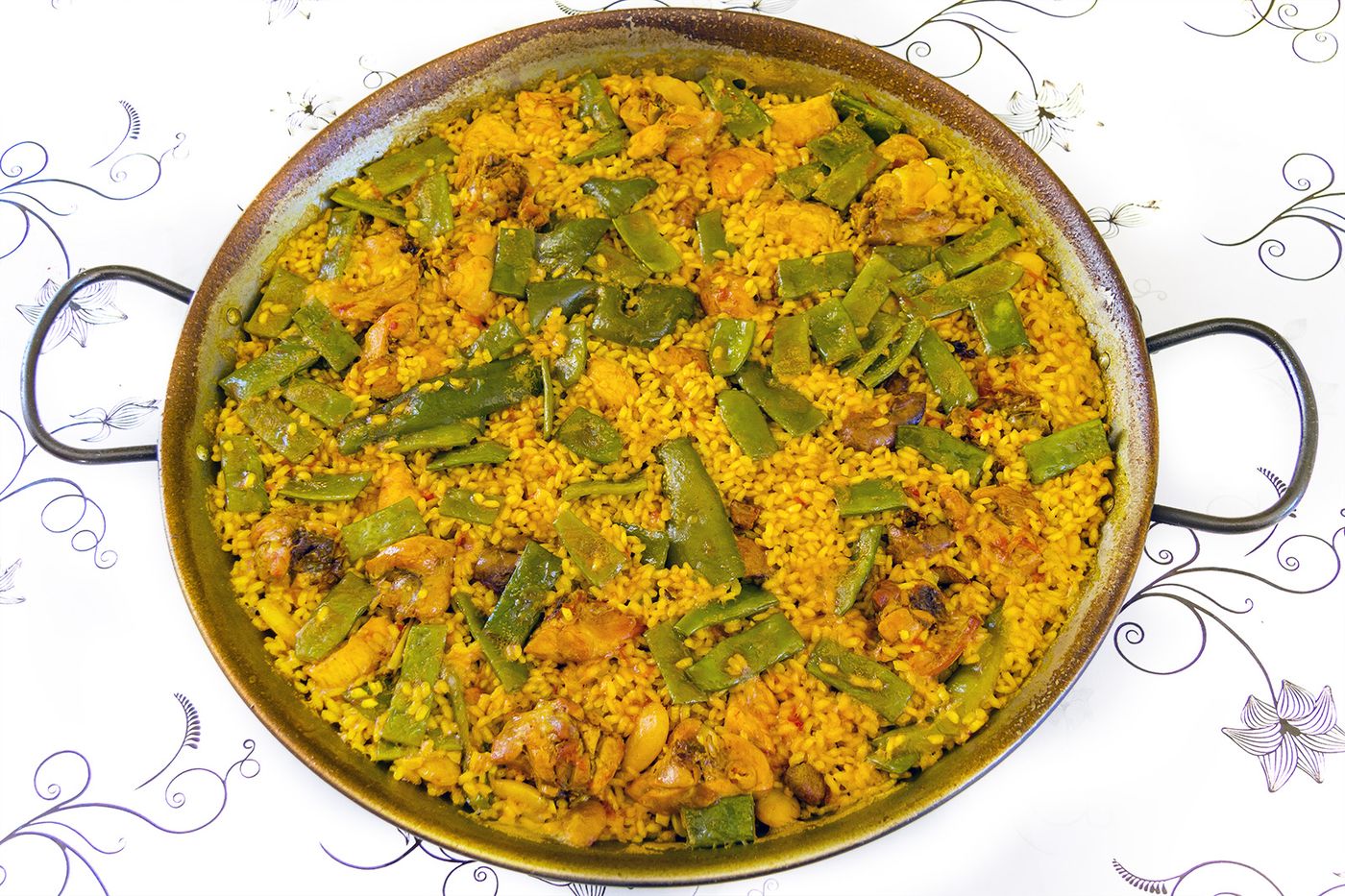
Paella
Spain’s most internationally famous rice dish, traditionally cooked in a wide shallow pan with saffron, vegetables and a combination of meats or seafood. It is prized for its aromatic rice and the crisp toasted bottom layer known as socarrat.
Did you know?
Paella originated in Valencia, where the classic local version is traditionally made with rabbit, chicken and beans rather than mixed seafood.
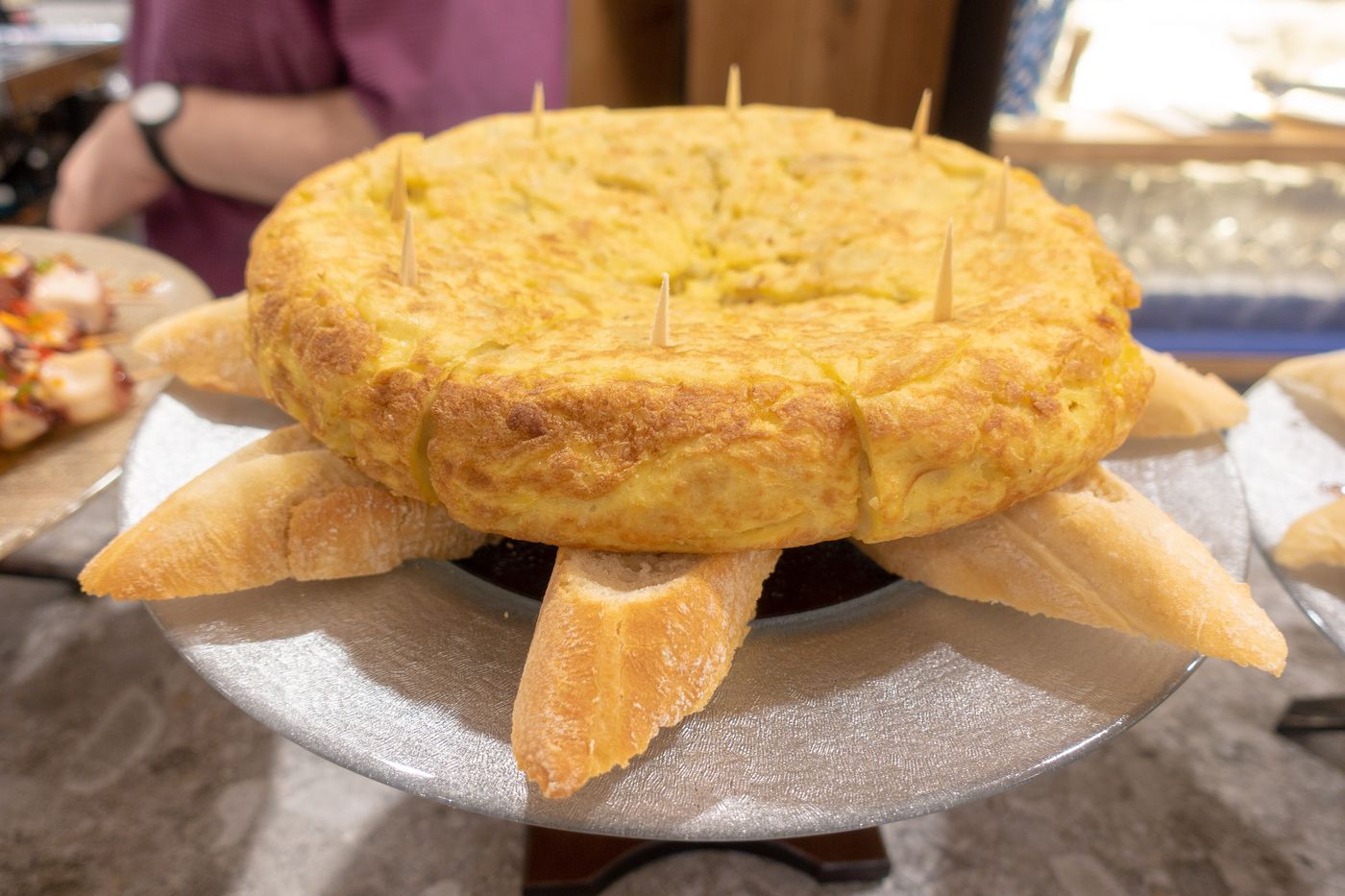
Tortilla española
A thick Spanish omelette made with eggs and potatoes, sometimes with onion, served hot or at room temperature. Its texture ranges from fully set to softly creamy in the centre depending on regional and personal preference.
Did you know?
The onion question is famously divisive in Spain, with passionate camps for tortilla con cebolla and sin cebolla.
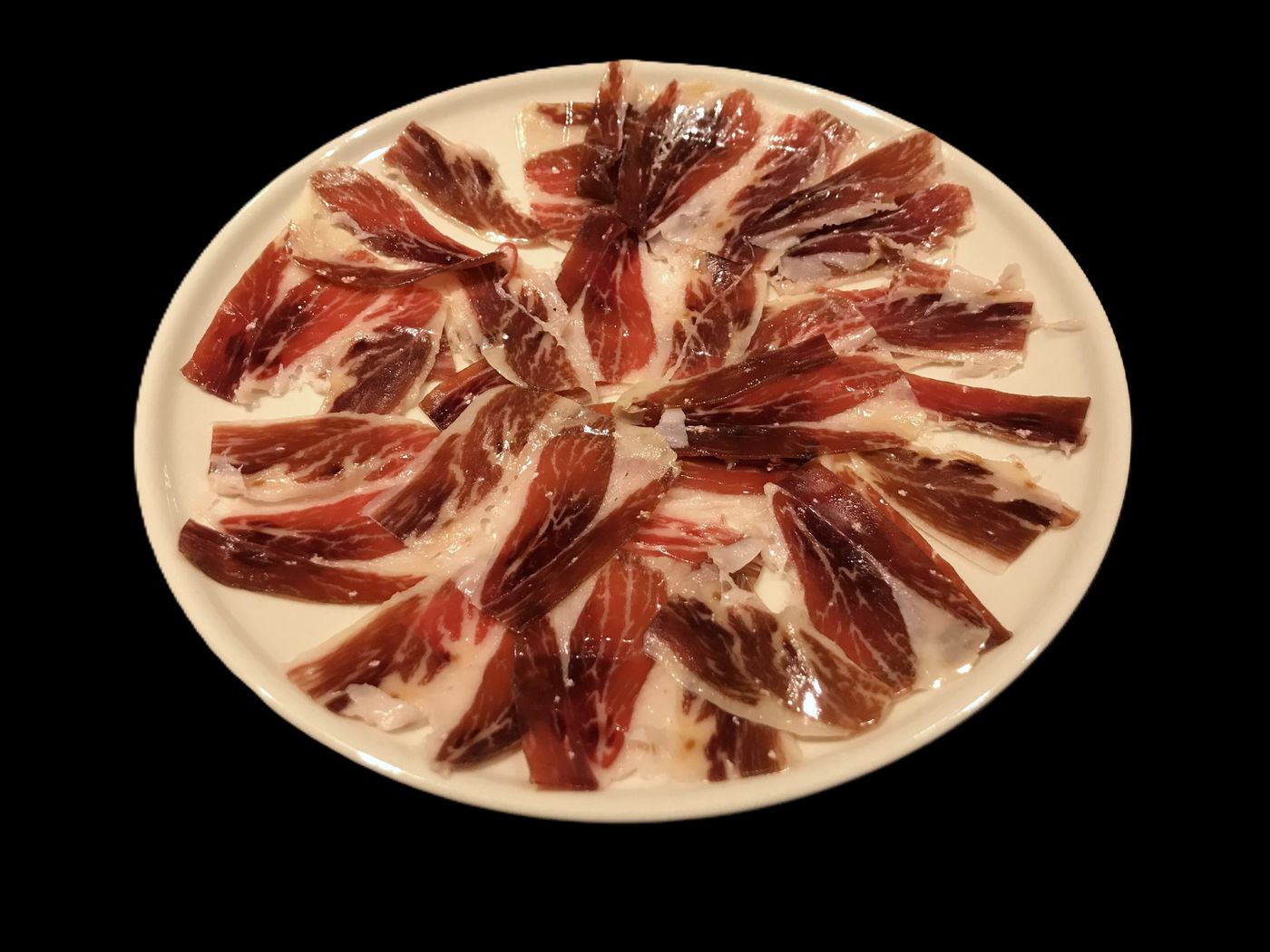
Jamón ibérico
A luxurious dry-cured ham with deep nutty flavour and silky fat, sliced paper-thin and eaten on its own or as part of a tapas spread. It is one of Spain’s most prized traditional foods.
Did you know?
The finest grades come from acorn-fed Iberian pigs and may be aged for several years before sale.
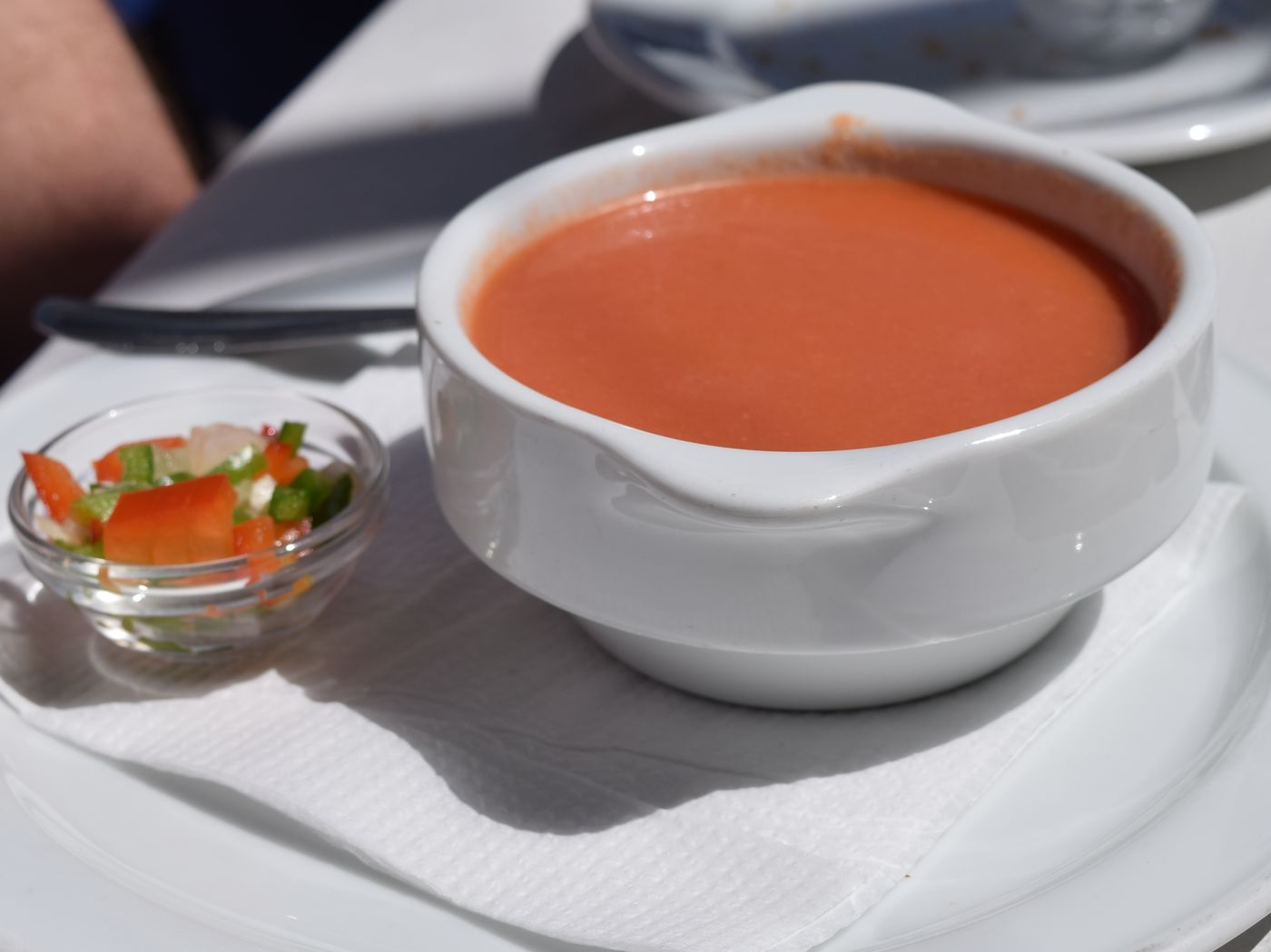
Gazpacho
A refreshing cold soup from Andalusia made mainly from ripe tomatoes and raw vegetables blended with olive oil and vinegar. It tastes bright, smooth and cooling, especially in summer heat.
Did you know?
Early gazpacho existed before tomatoes reached Europe and was based on bread, garlic, oil, vinegar and water.
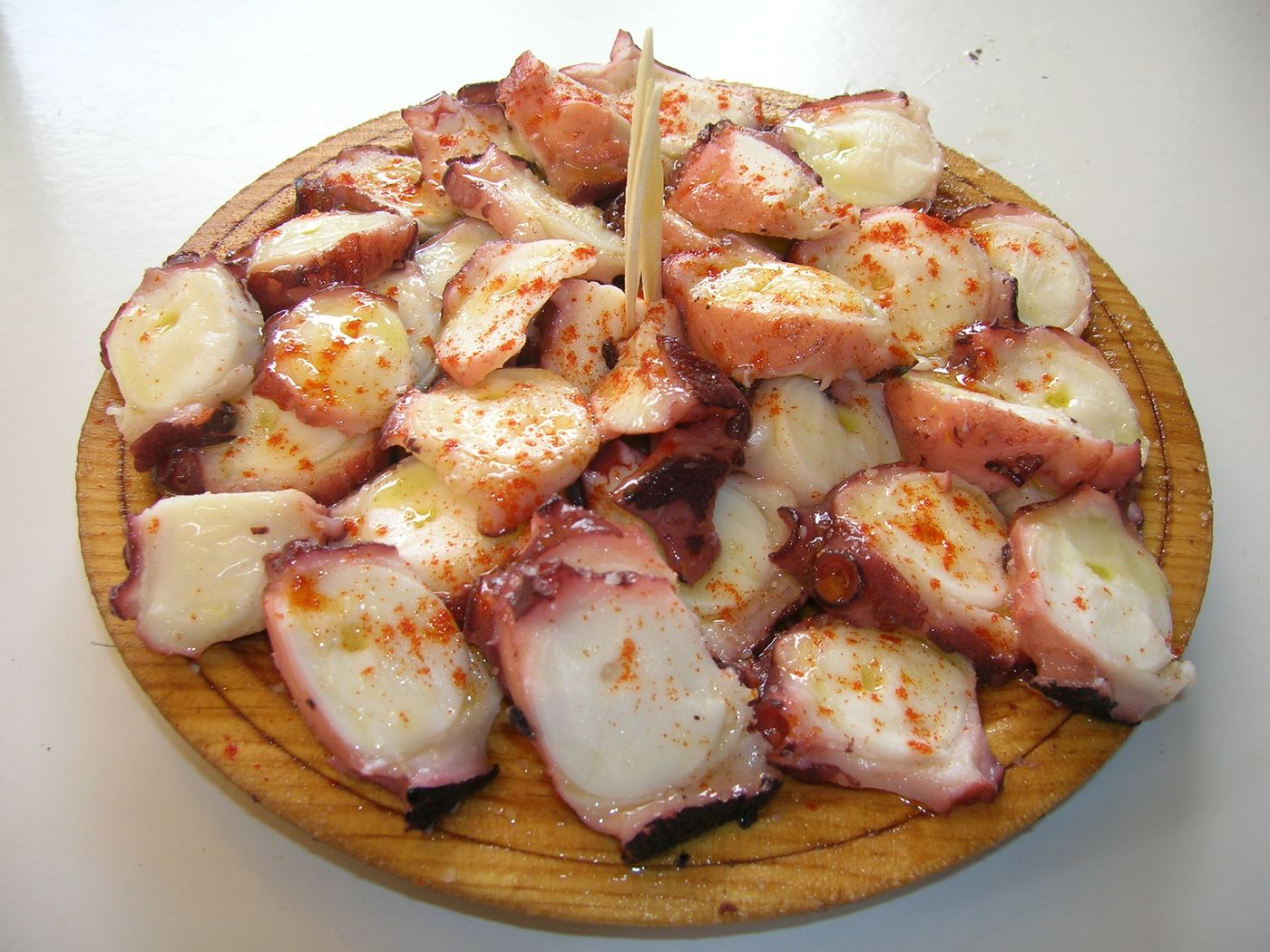
Pulpo a la gallega
A Galician octopus dish of tender slices dressed simply with olive oil, coarse salt and paprika, often served over potato rounds. Its appearance and clean bold seasoning make it instantly recognisable.
Did you know?
It is also widely called pulpo á feira because it was traditionally served at Galician fairs.
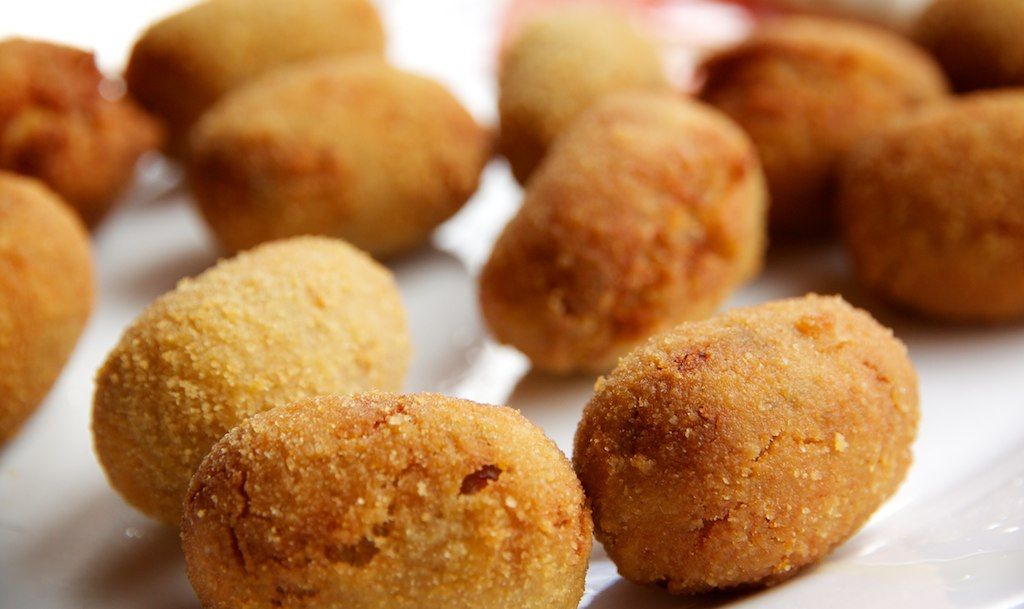
Croquetas
These crisp fried croquettes usually have a creamy béchamel filling mixed with ham, chicken, cod or mushrooms. They are a staple of tapas bars and home cooking across Spain.
Did you know?
Although croquettes have French roots, croquetas de jamón have become one of Spain’s most beloved everyday tapas.
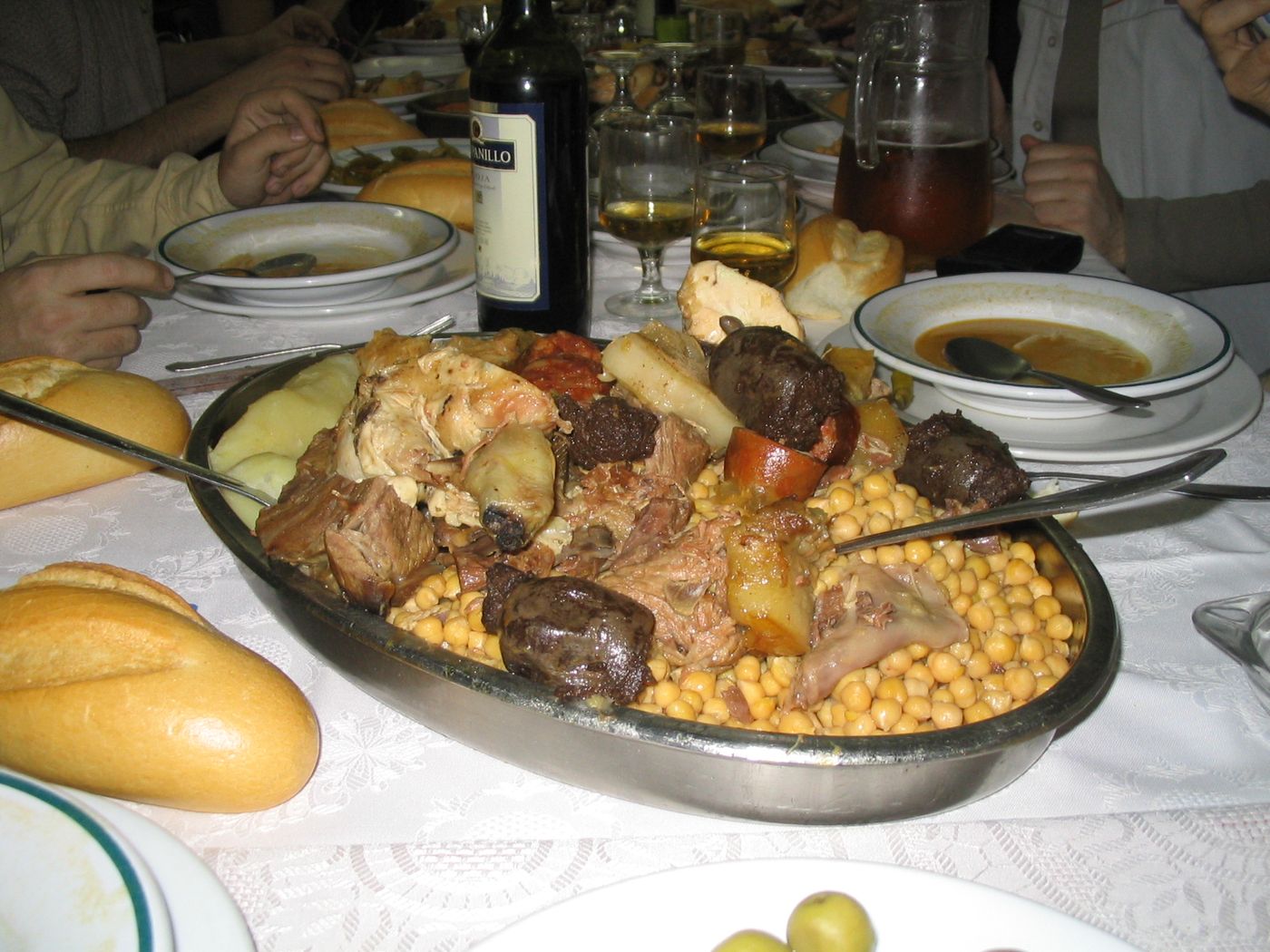
Cocido madrileño
A hearty chickpea stew from Madrid built from meats, sausages and vegetables, often served in several courses. It is deeply savoury, comforting and especially associated with colder months.
Did you know?
Traditional service can come in vuelcos, separate stages beginning with the broth and ending with the meats and vegetables.
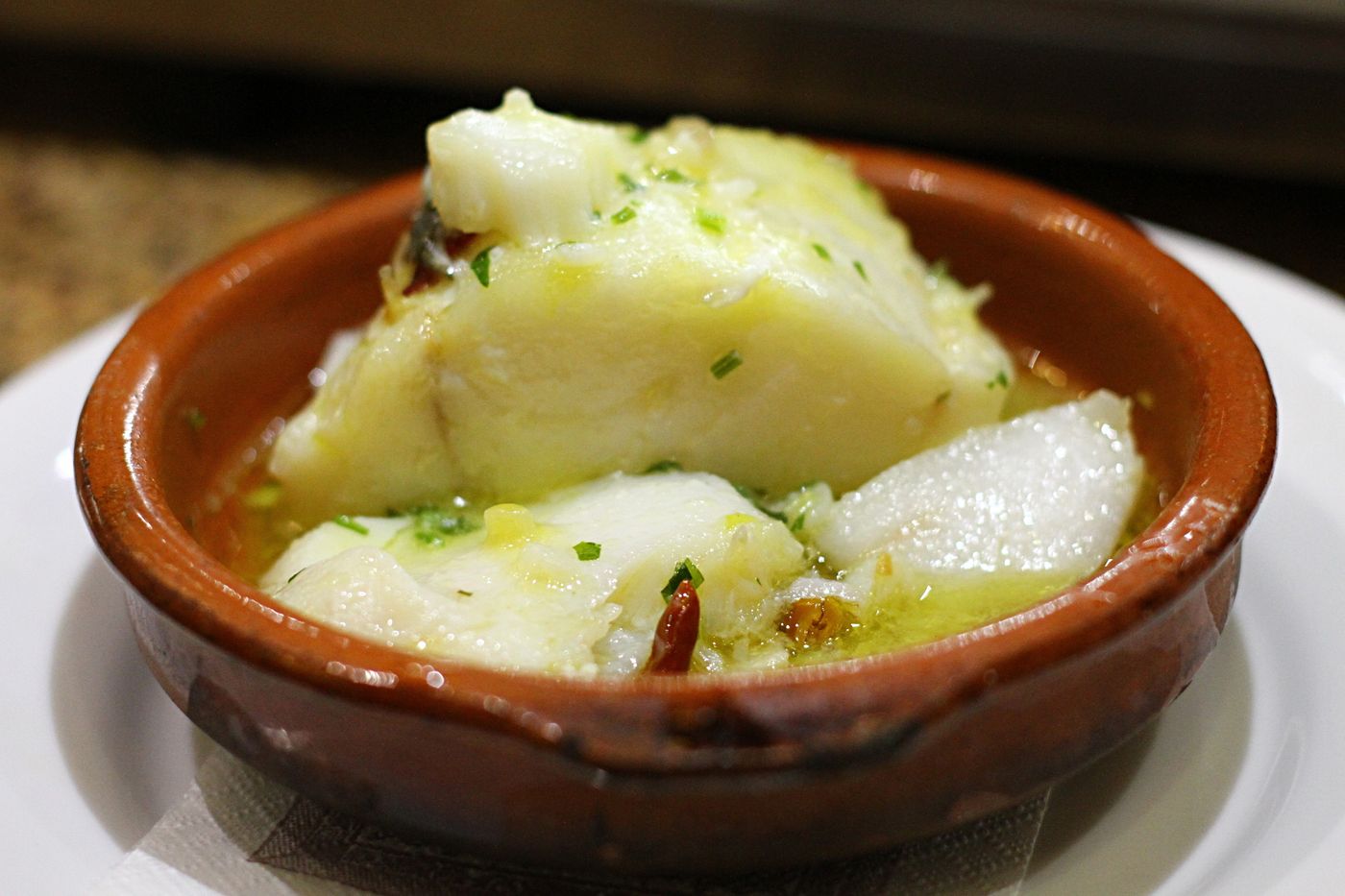
Bacalao al pil-pil
A Basque cod dish in which salt cod is gently cooked with olive oil, garlic and chilli until the fish’s gelatin emulsifies into a silky sauce. The flavour is rich yet clean, with a distinctive glossy finish.
Did you know?
The sauce is created without cream; it relies on patient movement of the pan to emulsify the cod’s natural gelatin with oil.
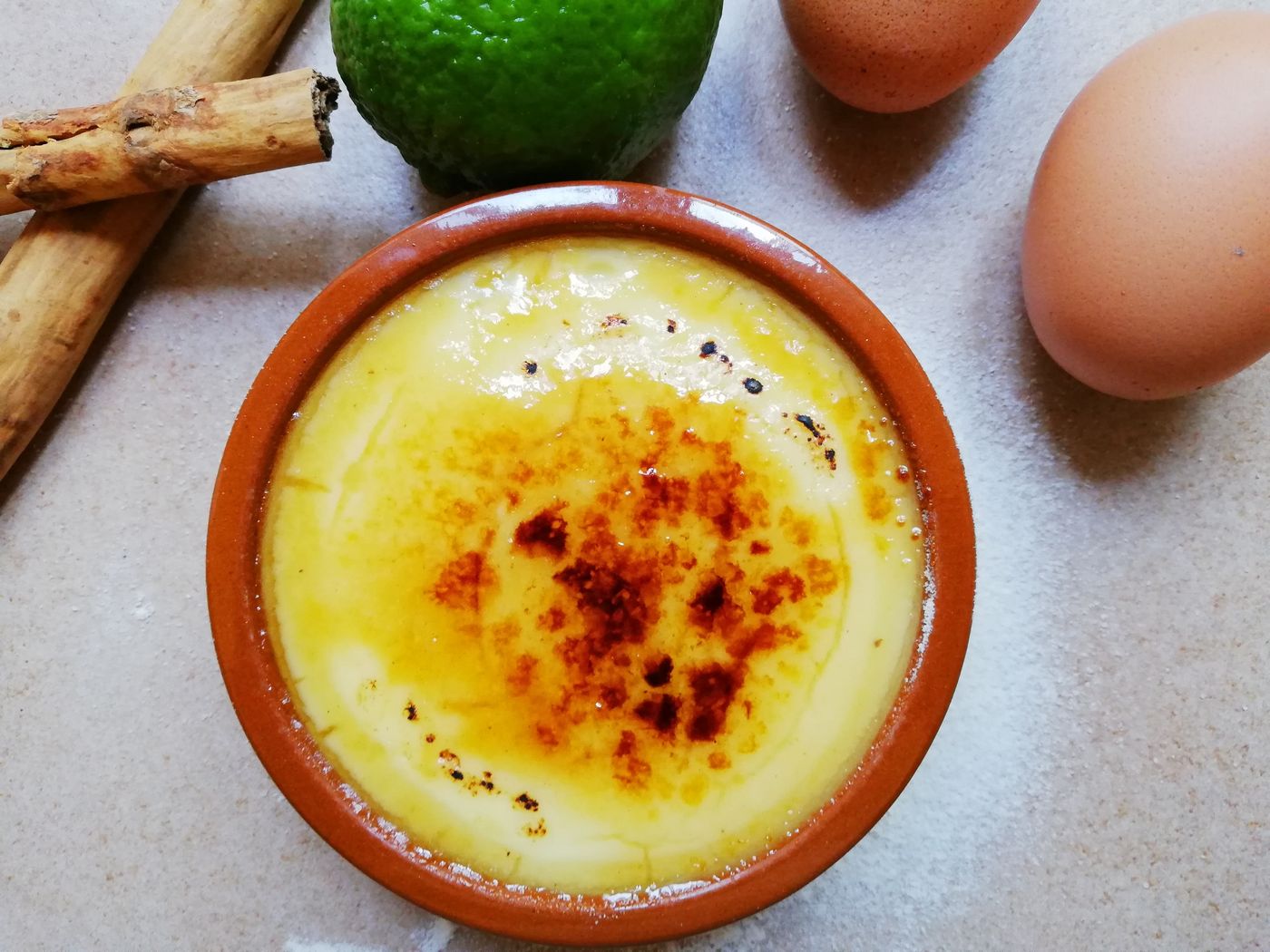
Crema catalana
A custard dessert scented with citrus peel and cinnamon, topped with a thin layer of caramelised sugar that cracks under the spoon. It is lighter and more delicately perfumed than many similar European custards.
Did you know?
Crema catalana is documented centuries before crème brûlée and is traditionally eaten on Saint Joseph’s Day in Catalonia.
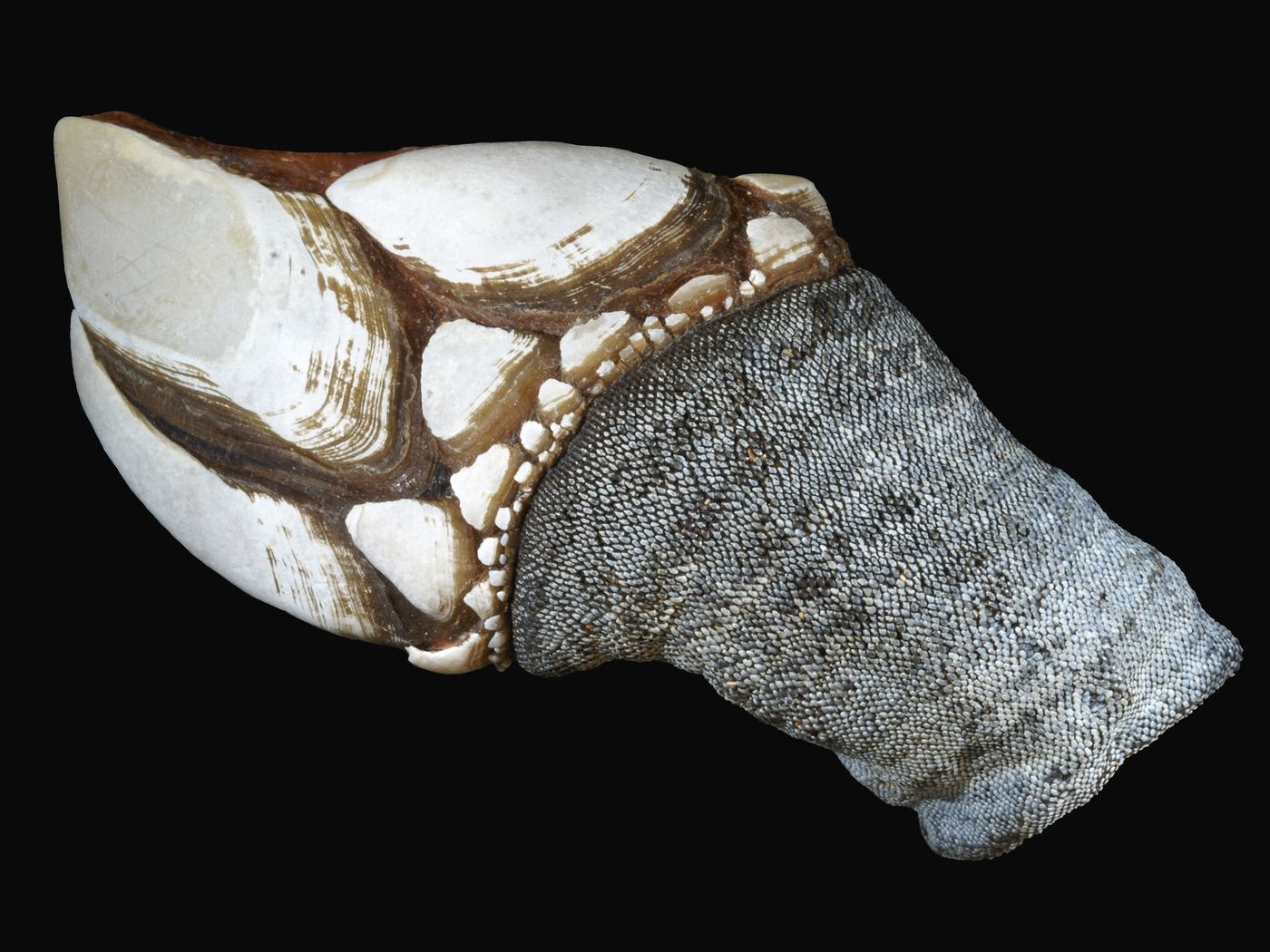
Percebes
Percebes are goose barnacles harvested from wave-battered rocks on the coasts of Galicia and Asturias. They are prized for their intense briny flavor and unusual appearance.
Did you know?
They are dangerous to harvest because gatherers collect them from rocky shores hit by strong Atlantic waves.
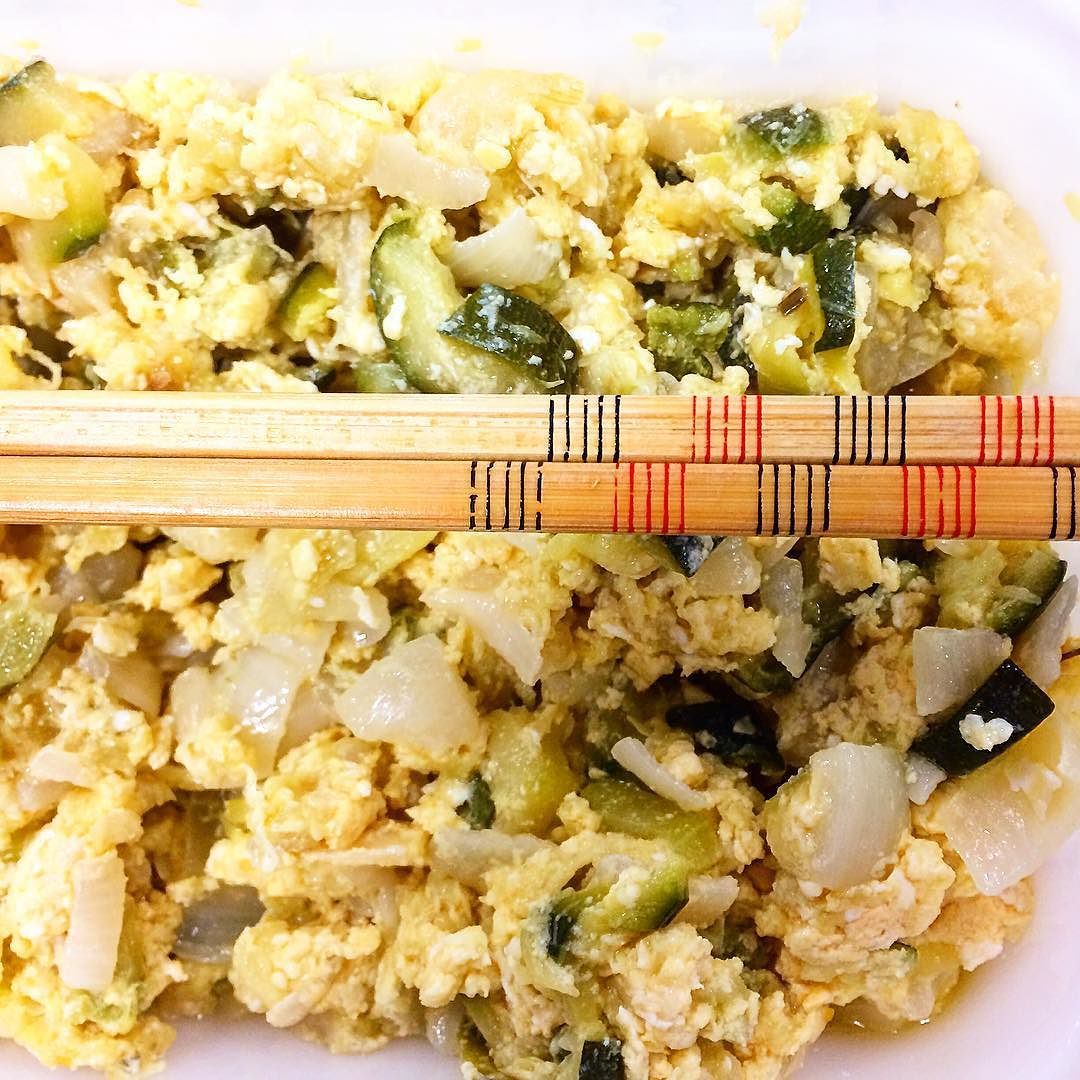
Zarangollo
Zarangollo is a traditional dish from Murcia made by gently cooking summer vegetables with egg. It is an old-fashioned regional specialty with a soft, delicate texture.
Did you know?
It is especially associated with the huerta, the fertile market-garden region around Murcia.