South America
Food of Ecuador
The 6 most iconic national dishes of Ecuador — real photos, key ingredients and tasty facts behind every plate.
 Americas
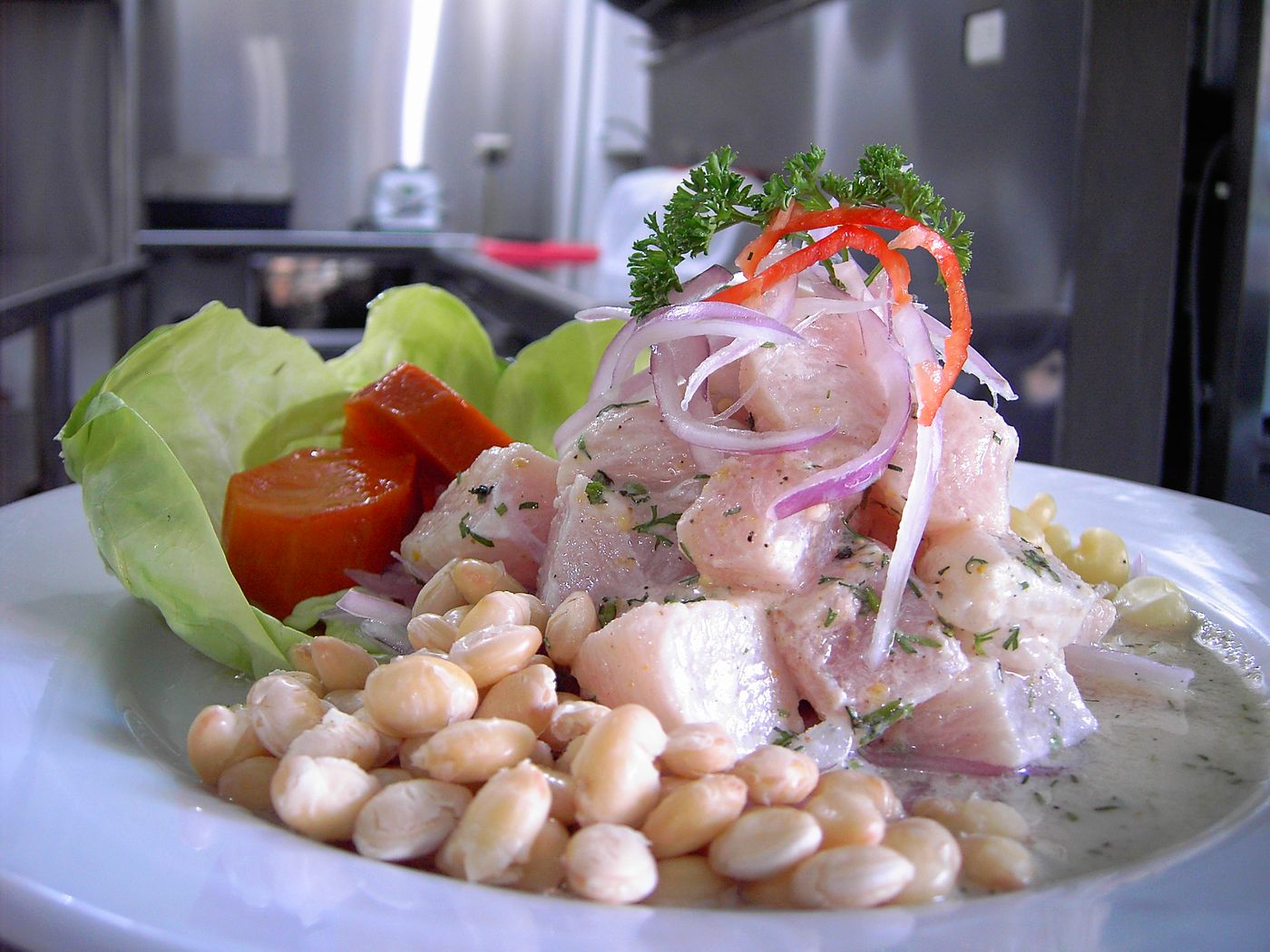
Ceviche
Ecuadorian ceviche is a bright, citrusy seafood dish served with a more liquid marinade than many neighbouring versions. It is typically made with shrimp or fish and often accompanied by popcorn, toasted corn, or plantain chips.
Did you know?
In Ecuador, ceviche is commonly served with crunchy sides like chifles and cancha, which are considered part of the classic experience.
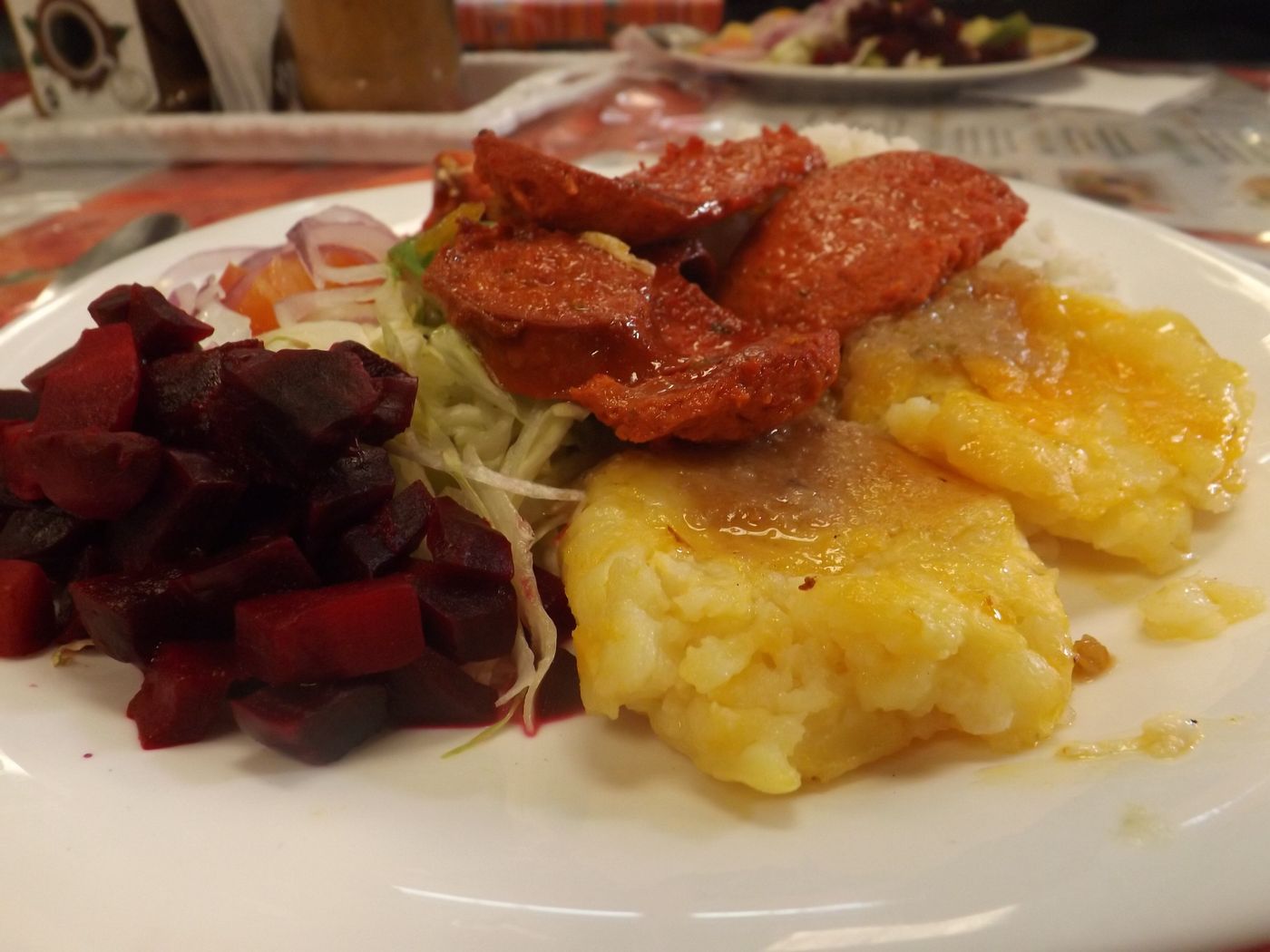
Llapingachos
Llapingachos are golden potato patties stuffed with cheese and griddled until crisp outside and soft inside. They are usually served with peanut sauce, sausage, egg, and salad.
Did you know?
They are especially associated with Ambato in the Ecuadorian highlands, where they are a celebrated regional specialty.
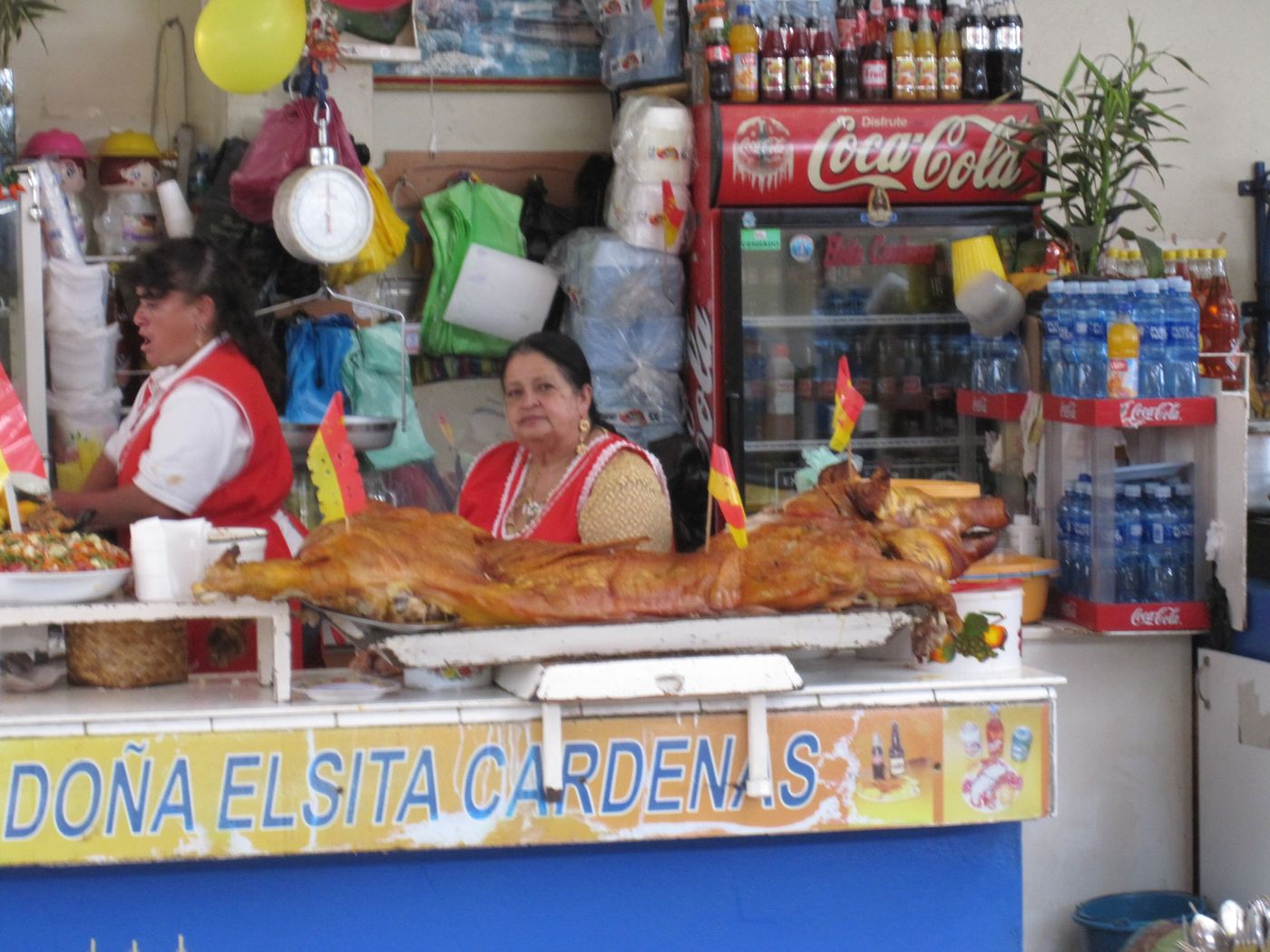
Hornado
Hornado is slow-roasted pork with crisp skin and tender meat, a beloved feast dish in the Andes. It is often served with mote, llapingachos, and agrio, a tangy onion salsa.
Did you know?
Traditional hornado is often roasted whole for hours, making it a centerpiece at markets and family celebrations.
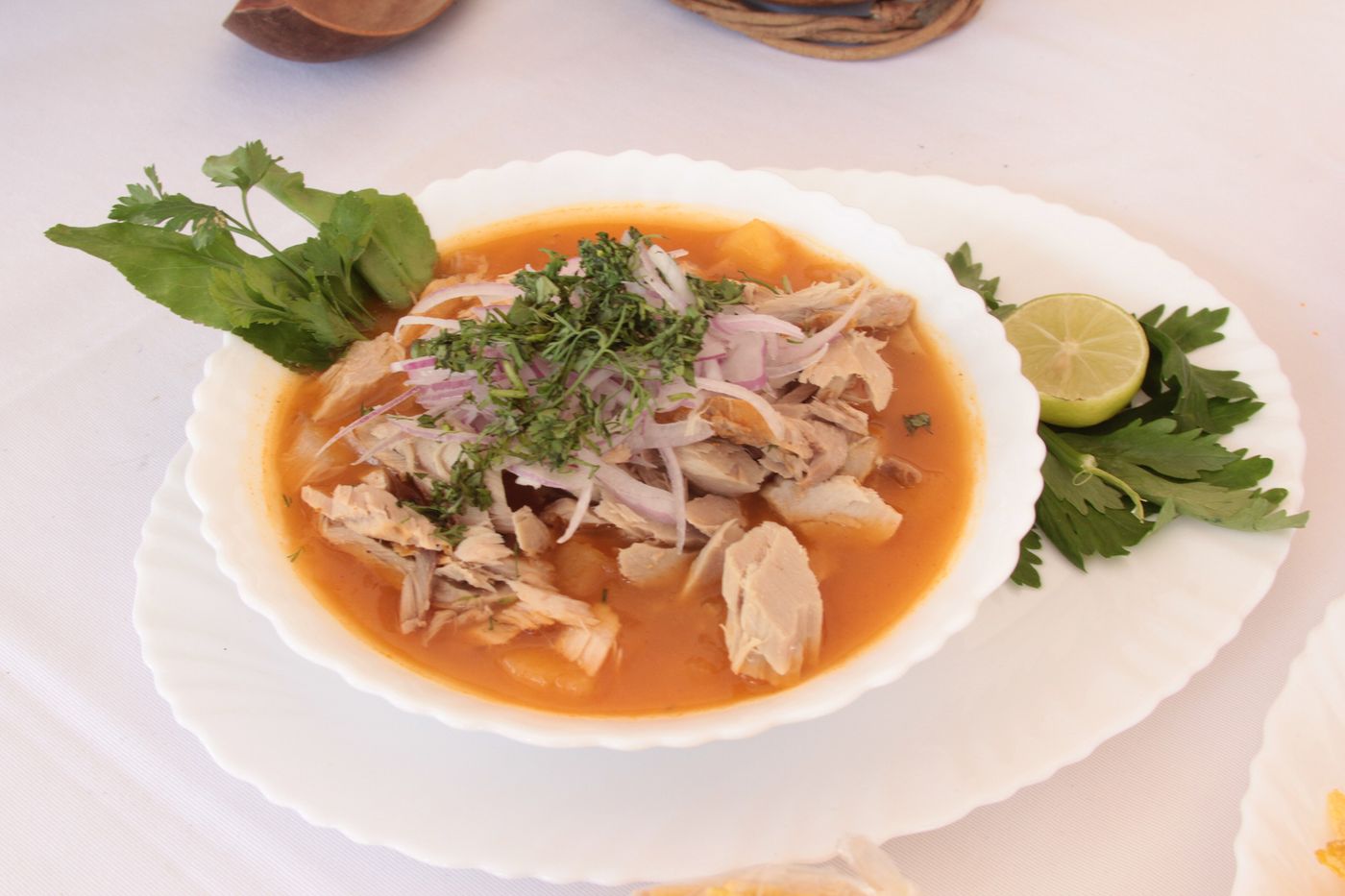
Encebollado
Encebollado is a hearty coastal fish soup with yuca and pickled red onions, known for its savory, slightly tangy broth. It is one of Ecuador’s most recognizable comfort foods.
Did you know?
It is famously eaten as a hangover remedy in Ecuador and is especially popular as a morning meal.
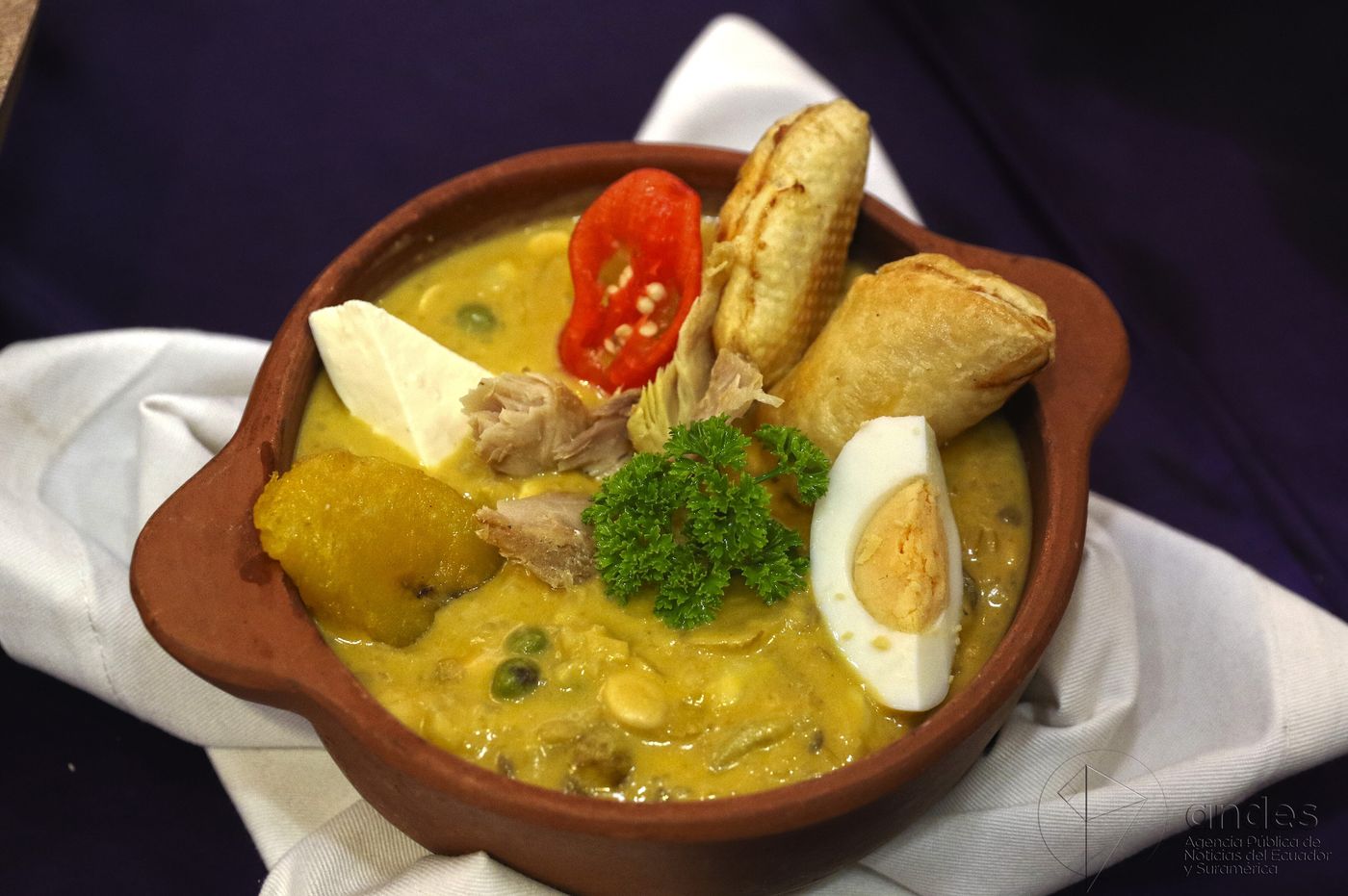
Fanesca
Fanesca is a rich seasonal soup made with salt cod, milk, squash, and a mixture of grains and beans. Its thick, creamy texture and ceremonial garnishes make it one of Ecuador’s most distinctive festive dishes.
Did you know?
Fanesca is traditionally prepared during Holy Week, and many versions symbolically use 12 kinds of legumes to represent the apostles.
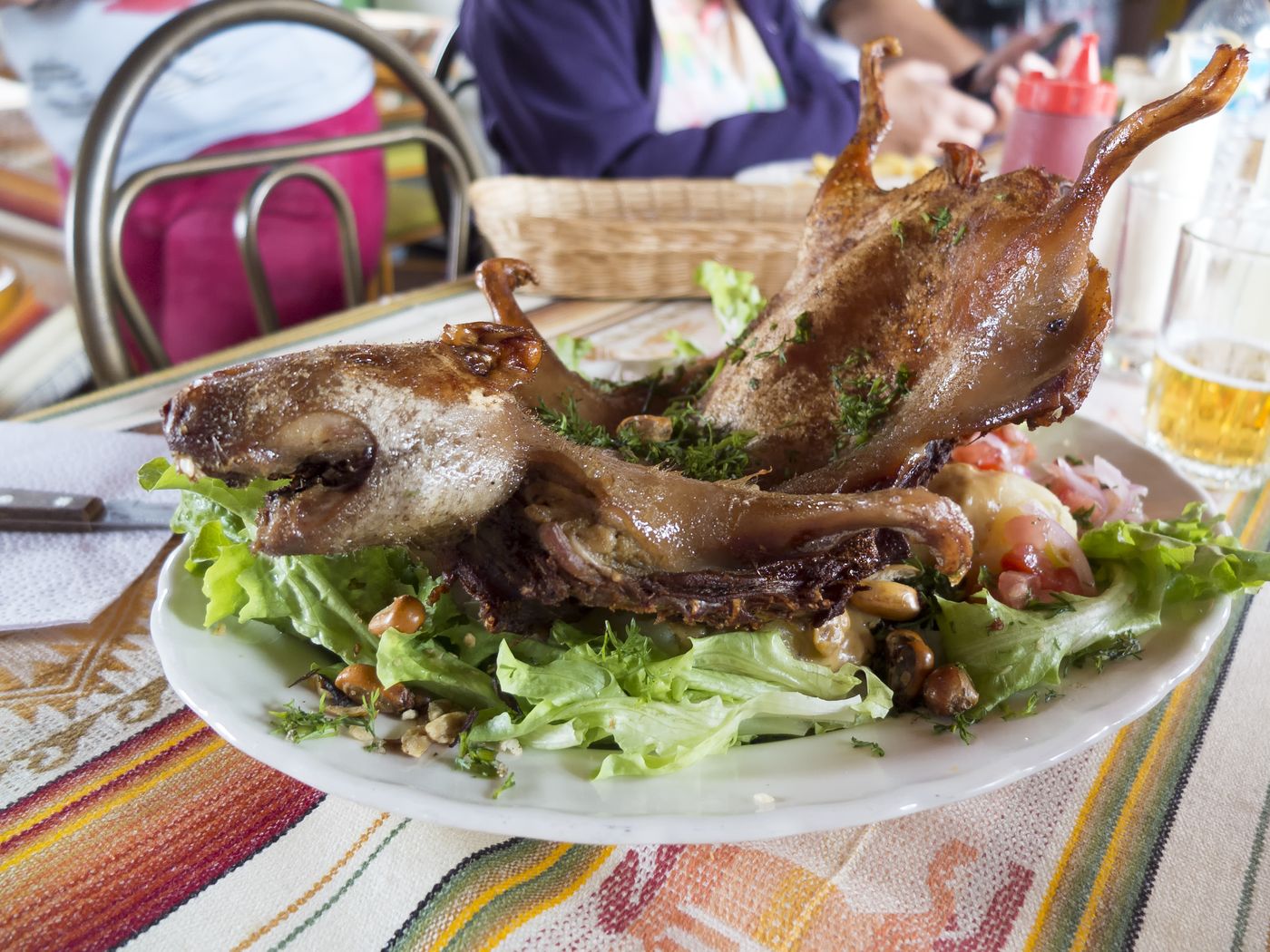
Cuy asado
Cuy asado is roasted guinea pig, a traditional Andean delicacy with crisp skin and rich, gamey meat. It is especially associated with highland celebrations and special occasions.
Did you know?
Guinea pig has been eaten in the Andes since pre-Columbian times and remains culturally important in Ecuador, Peru, and Bolivia.