Northern Europe
Food of Denmark
The 6 most iconic national dishes of Denmark — real photos, key ingredients and tasty facts behind every plate.
 Europe
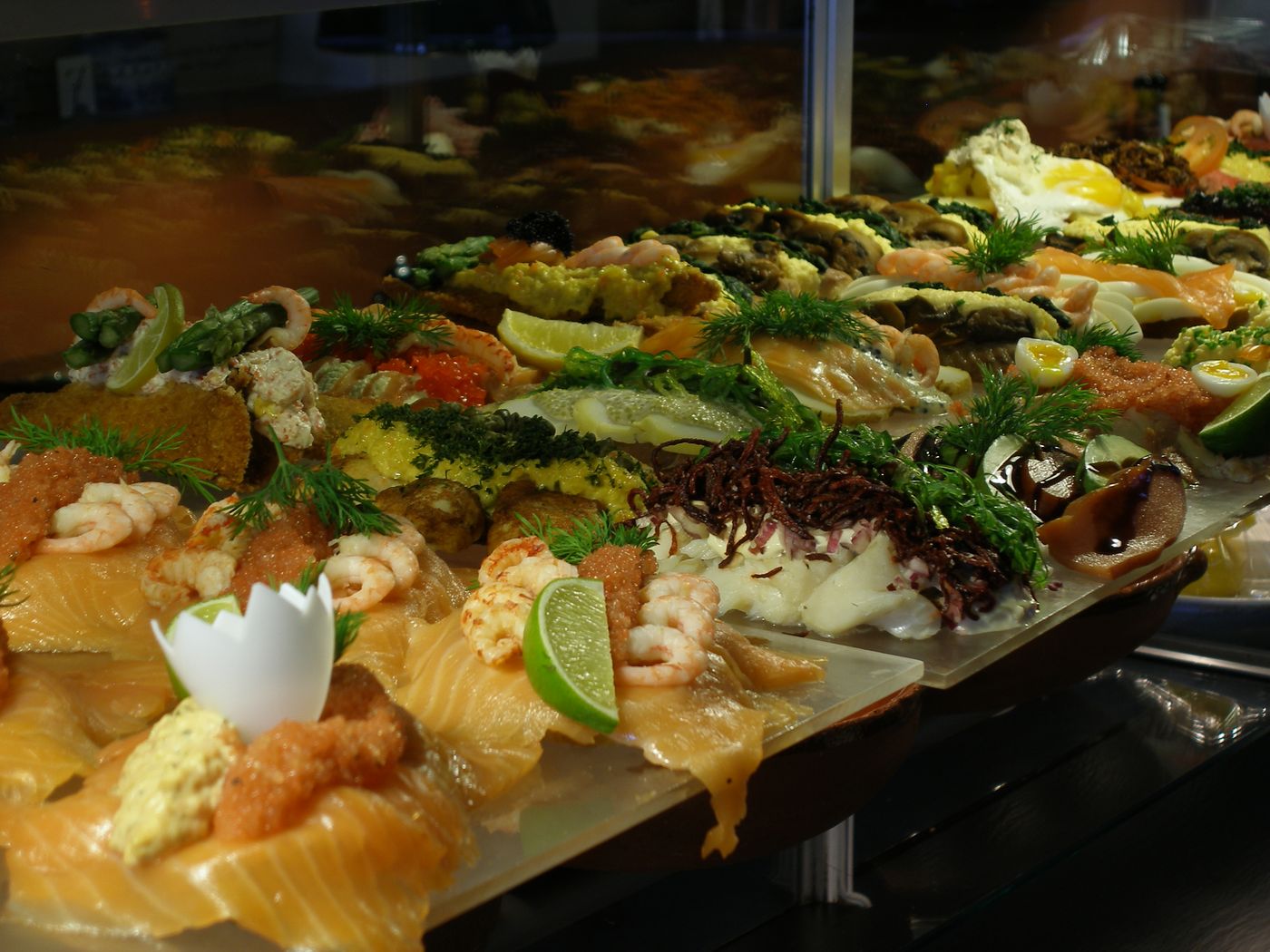
Smørrebrød
Denmark’s classic open-faced sandwich is built on buttered rye bread and topped with combinations such as pickled herring, roast beef, eggs or shrimp. It is known for its elegant layering, sharp flavors and striking presentation.
Did you know?
Traditional etiquette says smørrebrød is eaten with a knife and fork rather than picked up by hand.
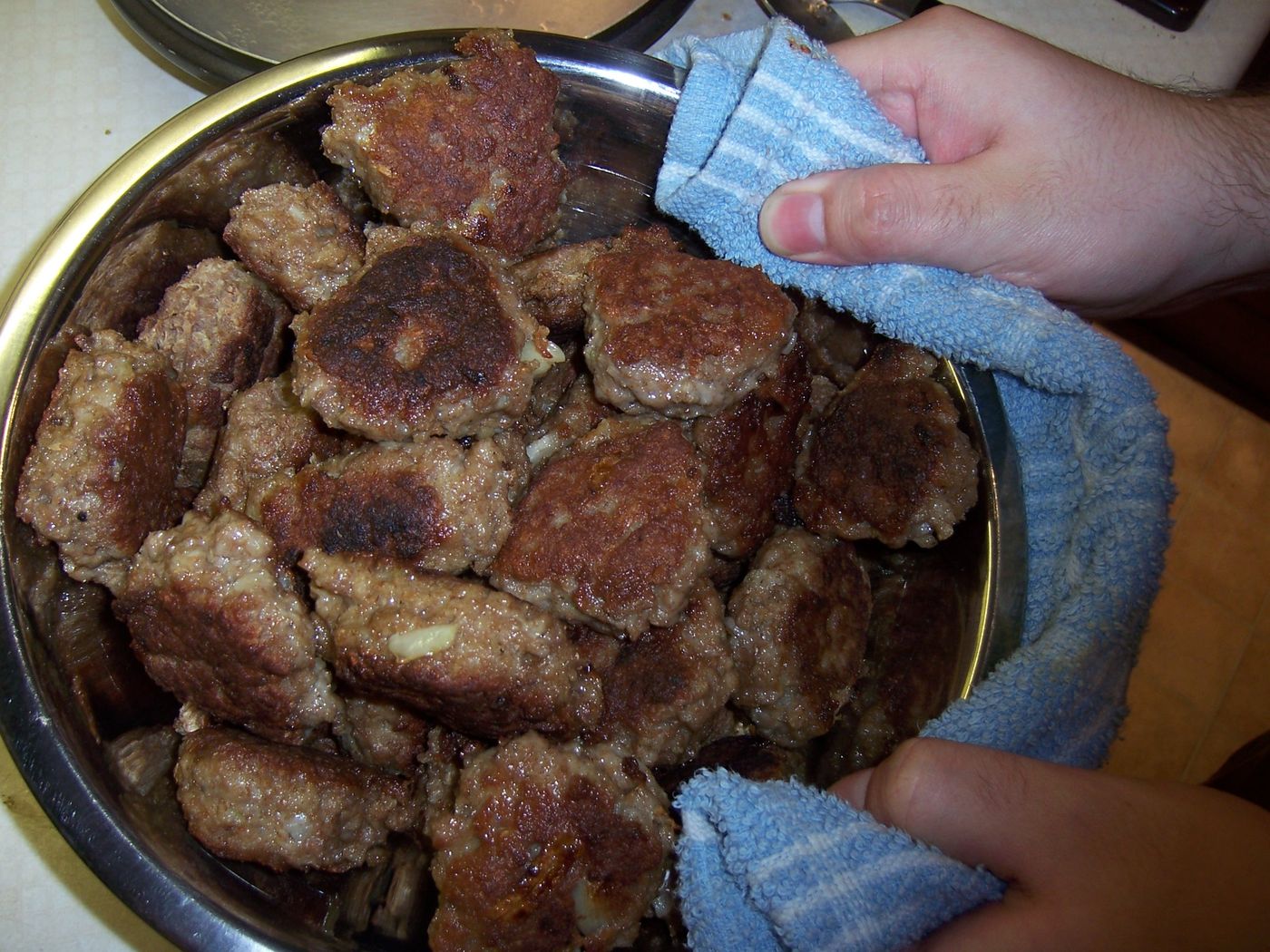
Frikadeller
These pan-fried Danish meatballs are typically made from pork or a pork-beef mix and have a tender, juicy interior with a browned crust. They are a staple of home cooking and are often served with potatoes, gravy and red cabbage.
Did you know?
Frikadeller have been known in Denmark for centuries and are one of the country’s most familiar everyday comfort foods.
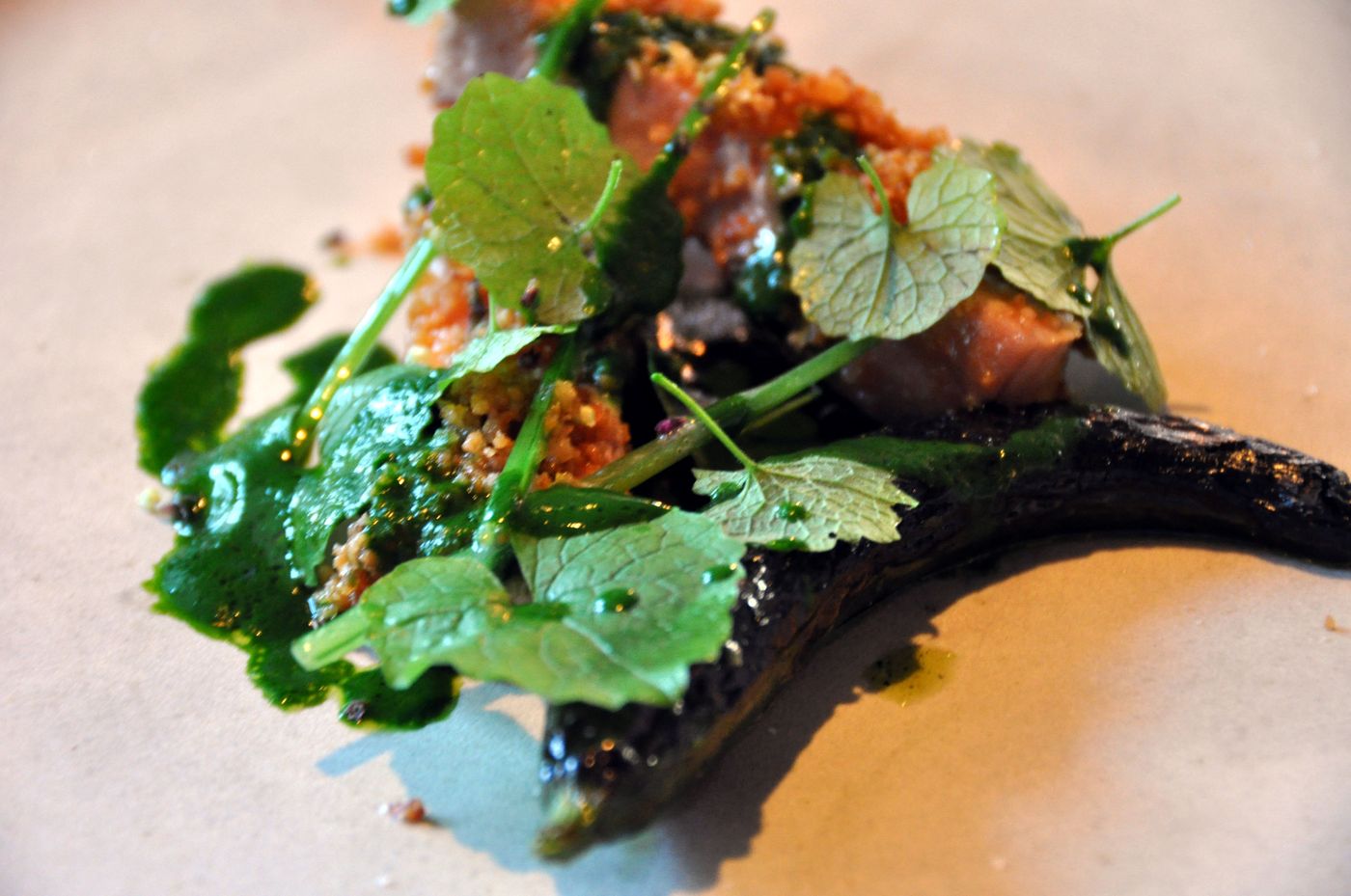
Stegt flæsk med persillesovs
Often regarded as Denmark’s national dish, it consists of crisp fried pork belly served with boiled potatoes and a creamy parsley sauce. The dish is rich, salty and deeply traditional.
Did you know?
It has repeatedly topped public votes as Denmark’s favorite national dish.
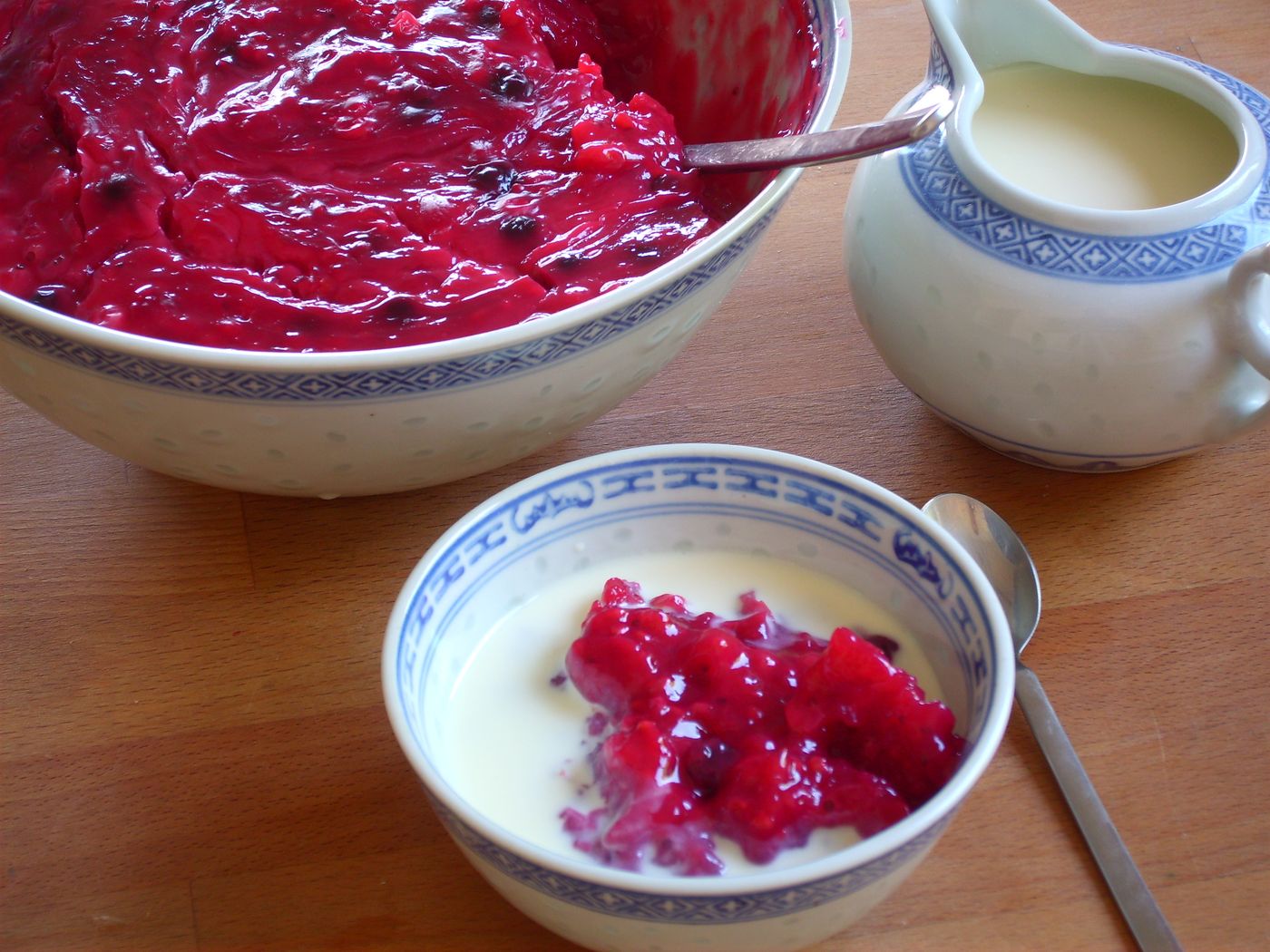
Rødgrød
This bright red berry pudding is made by cooking red summer fruits into a thick, spoonable dessert, usually served with cream. It tastes sweet-tart and is closely associated with Danish summer.
Did you know?
Its name is famous for being difficult for non-Danish speakers to pronounce, making it a classic linguistic shibboleth.
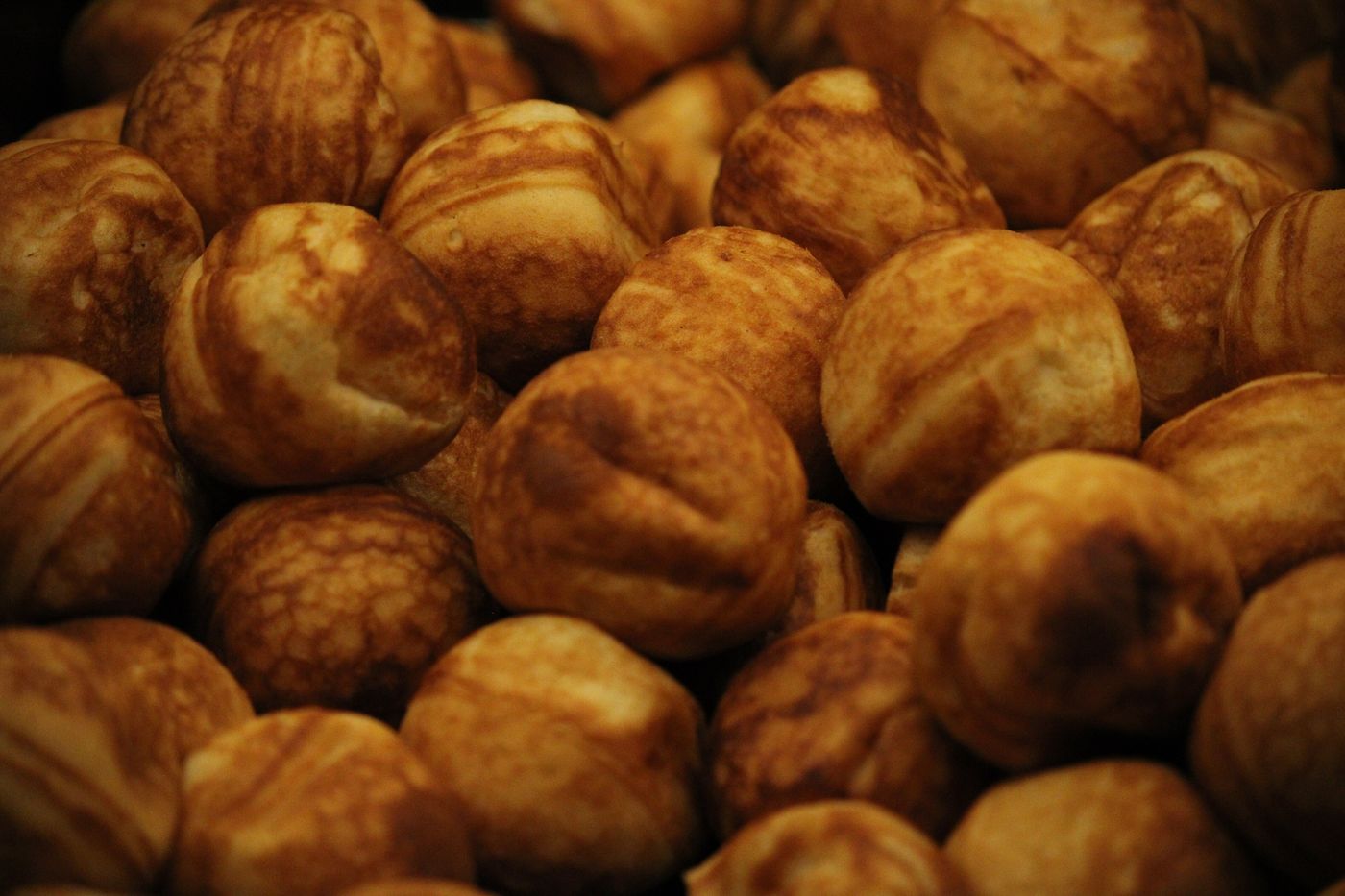
Æbleskiver
These spherical Danish pancake puffs are crisp outside, soft inside and usually dusted with sugar and served with jam. They are especially popular during Christmas markets and winter gatherings.
Did you know?
Despite the name meaning “apple slices,” modern æbleskiver usually contain no apple at all.
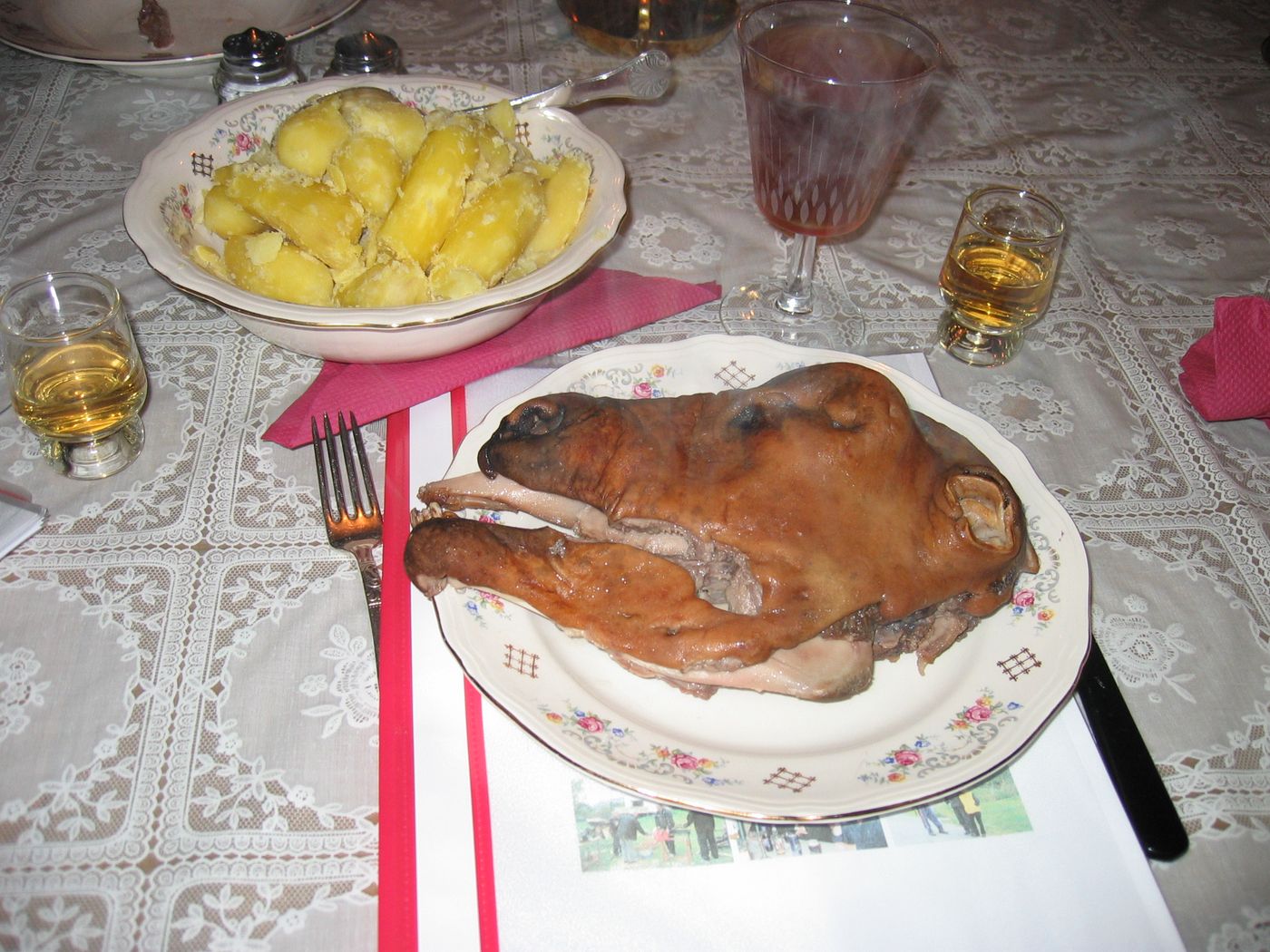
Smalahove
This unusual Nordic delicacy consists of a singed and cooked sheep’s head, traditionally served in rustic regional settings. The flavor is rich and gelatinous, with different textures prized by enthusiasts.
Did you know?
Although most strongly associated with western Norway, smalahove is also documented within the broader Scandinavian food tradition and recognized on English Wikipedia.