Eastern Asia
Food of China
The 11 most iconic national dishes of China — real photos, key ingredients and tasty facts behind every plate.
 Asia
Asia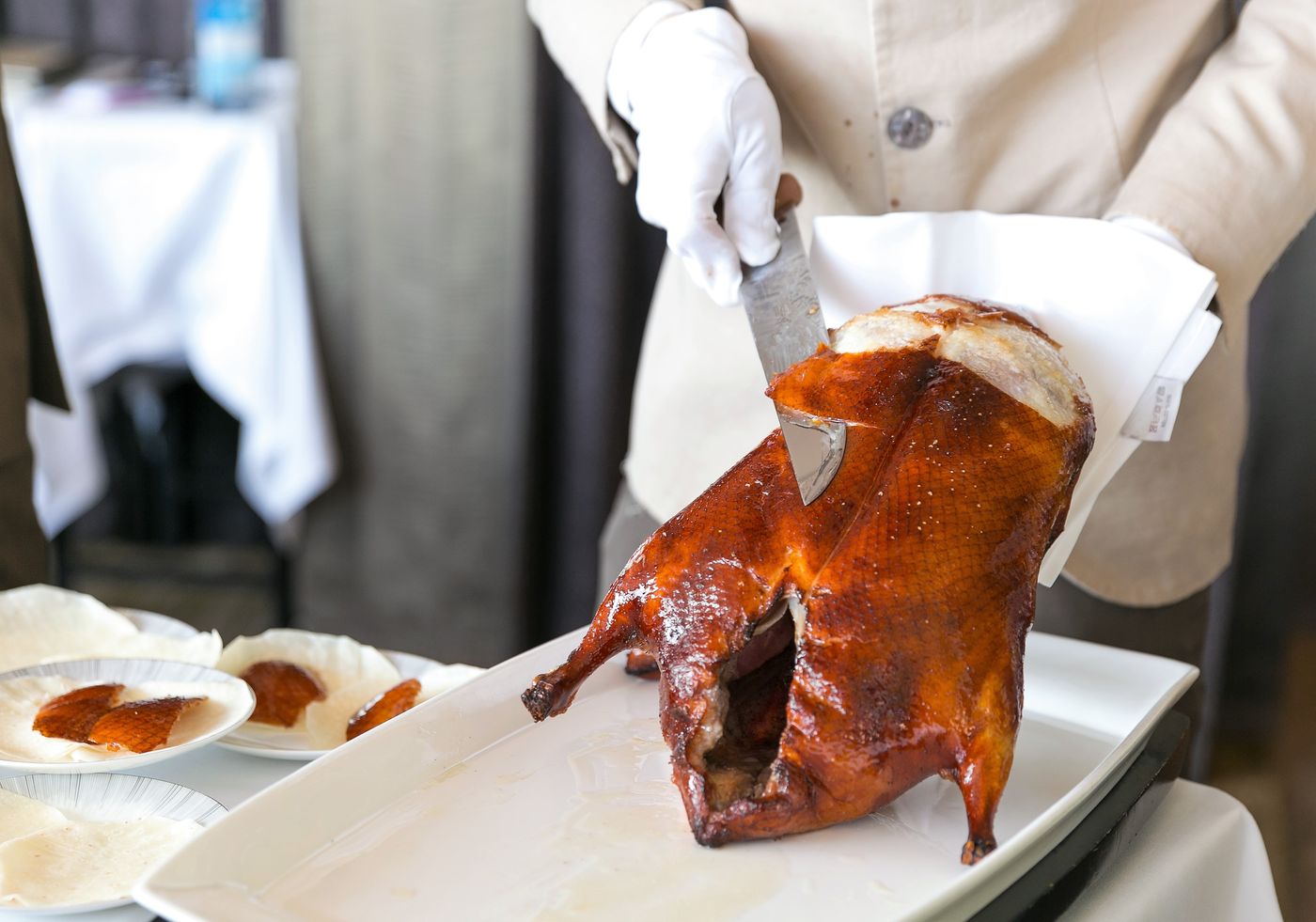
Peking duck
A famous Beijing dish of lacquered roast duck with ultra-crisp skin and richly flavoured meat, traditionally served with pancakes and condiments. It is prized for the contrast between brittle skin, tender flesh and sweet-savoury accompaniments.
Did you know?
Its roots go back to the imperial kitchens of the Yuan and Ming eras, and carving the duck tableside became part of the ritual.
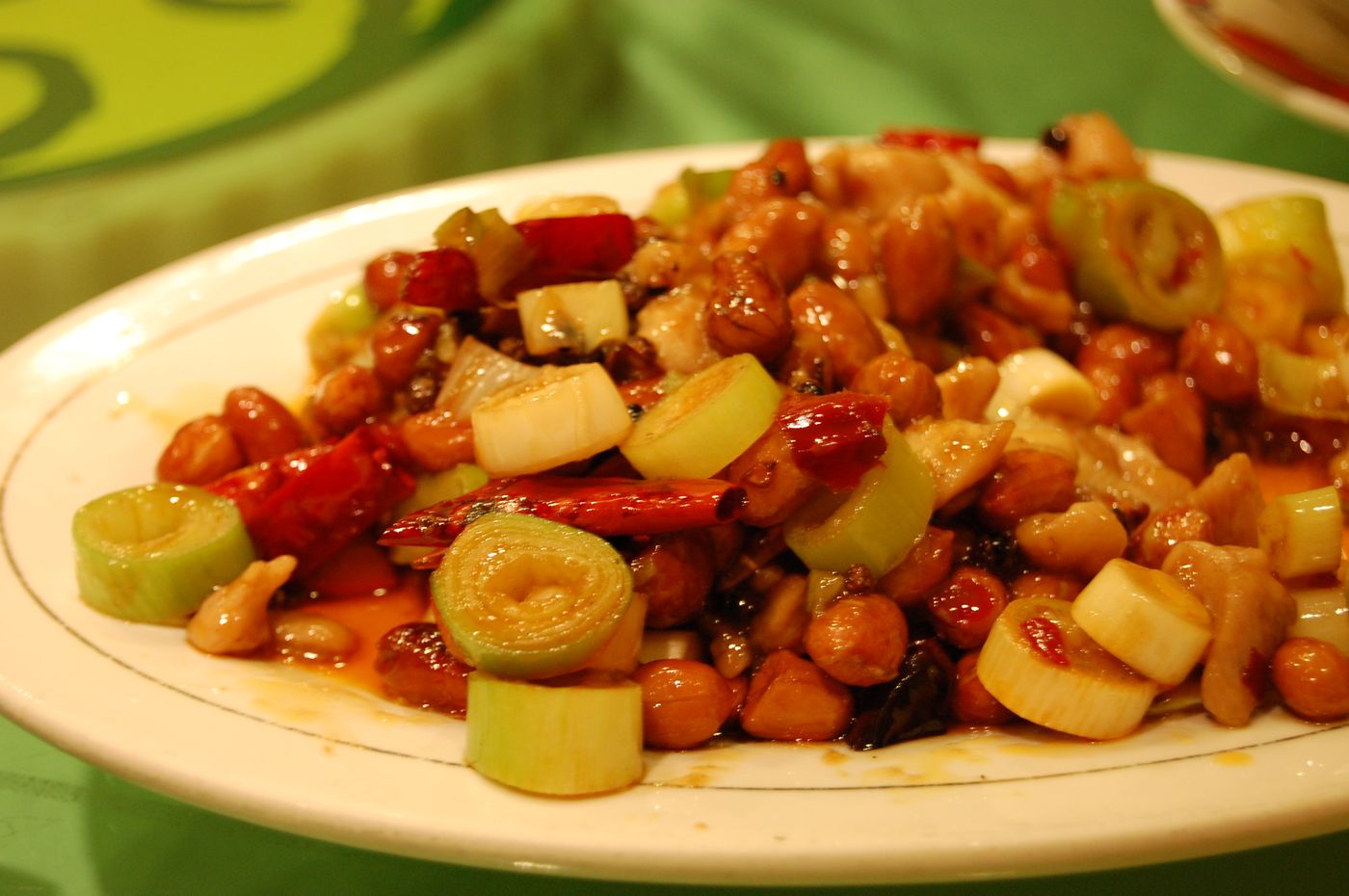
Kung Pao chicken
A classic Sichuan stir-fry of diced chicken, dried chilies and peanuts in a glossy sweet-sour-spicy sauce. It balances heat, fragrance and crunch rather than relying on sheer spiciness alone.
Did you know?
The dish is named after Ding Baozhen, a Qing official whose title was Gongbao, meaning 'Palace Guardian'.
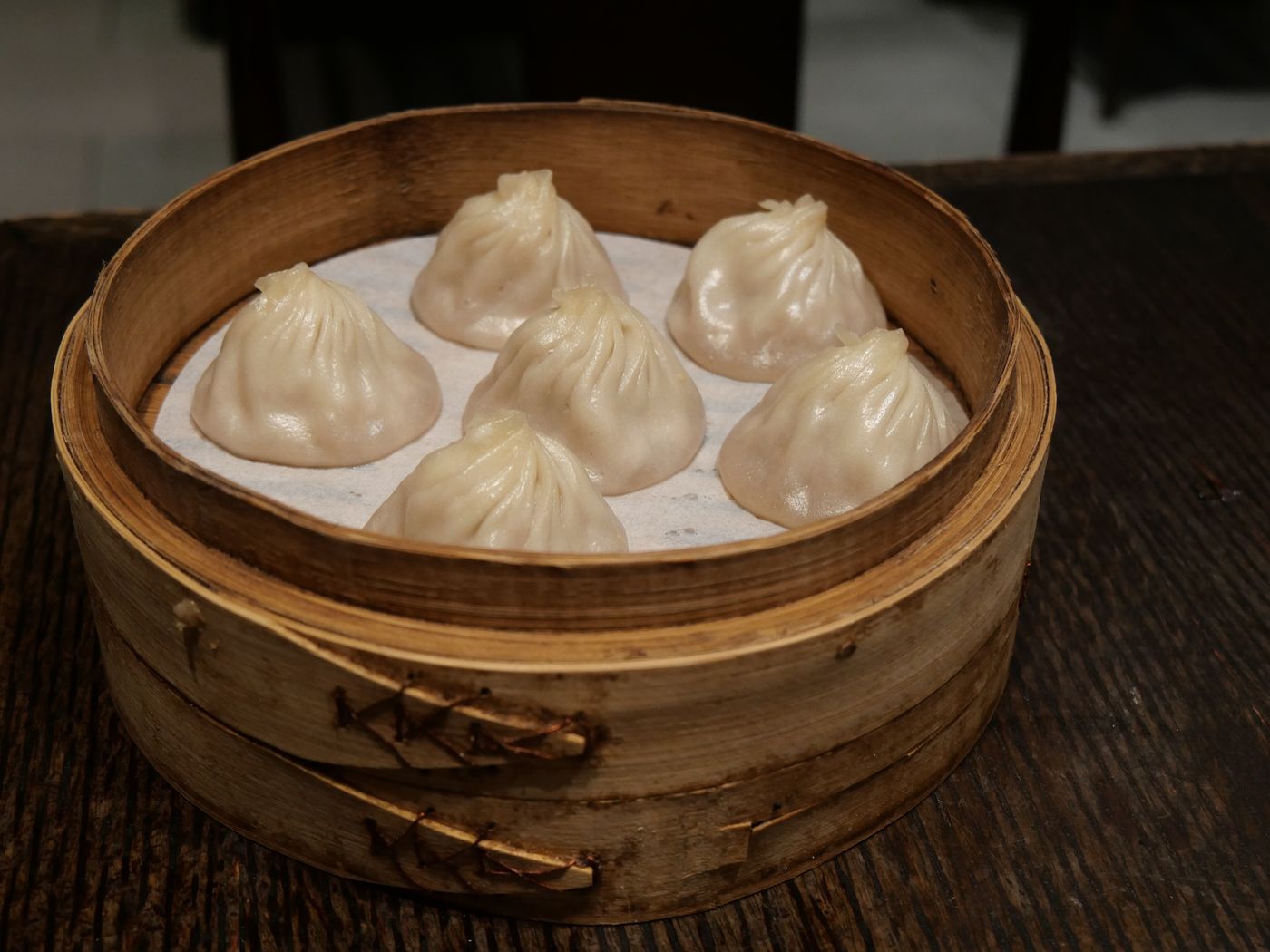
Xiaolongbao
These delicate steamed soup dumplings are filled with pork and gelatin-rich broth that melts into soup as they cook. They are loved for their thin wrappers and the burst of savoury stock inside.
Did you know?
They are strongly associated with Shanghai and Jiangnan cuisine, though they originated in Nanxiang near Shanghai.
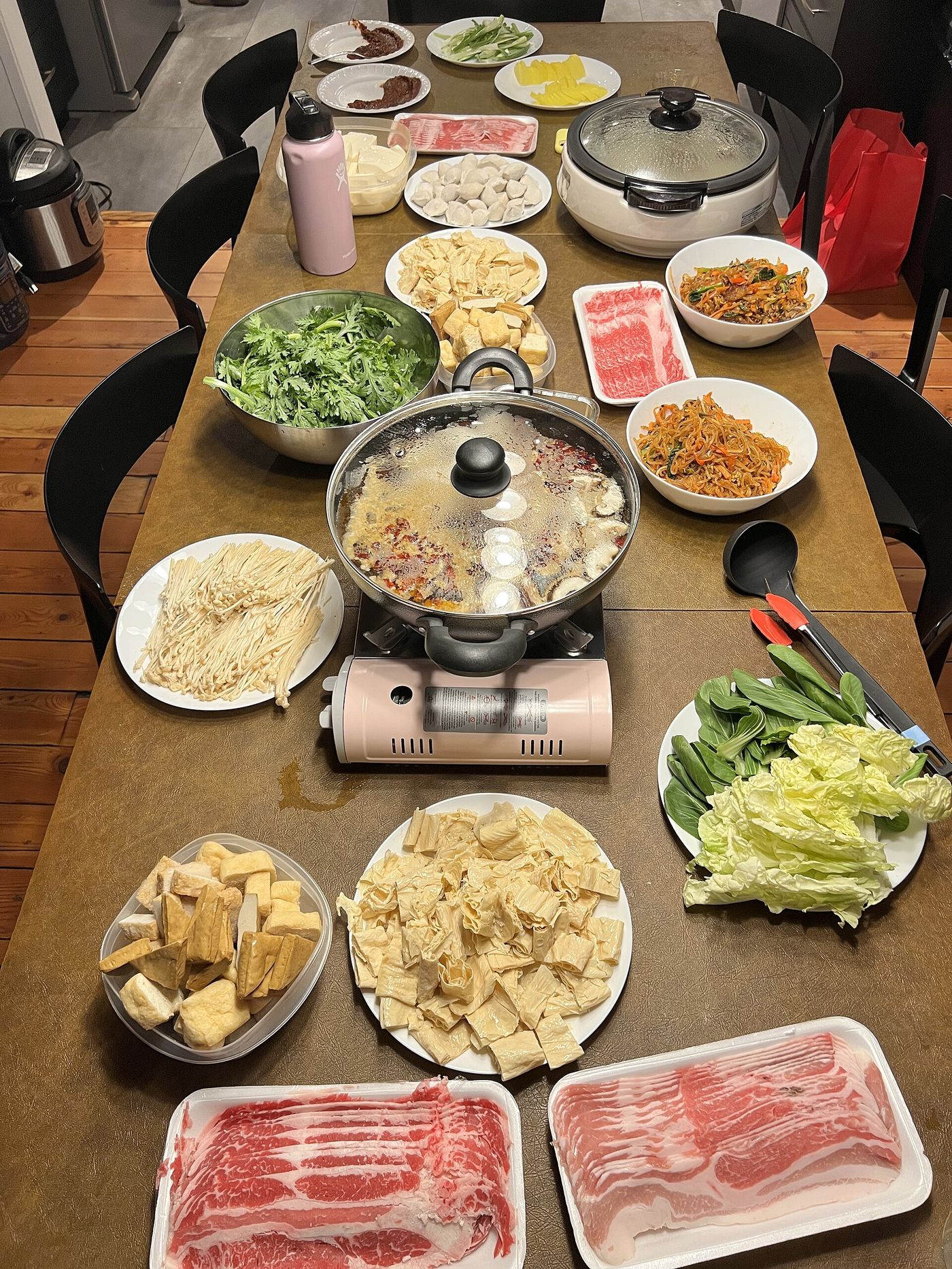
Hot pot
A communal meal in which diners cook thinly sliced meats, vegetables and tofu in a simmering pot of broth at the table. Styles vary across China, from fiery Chongqing broths to milder mushroom or herbal versions.
Did you know?
Chinese hot pot has a history of over a thousand years, and regional variations are so important that the broth often signals a diner's home province.
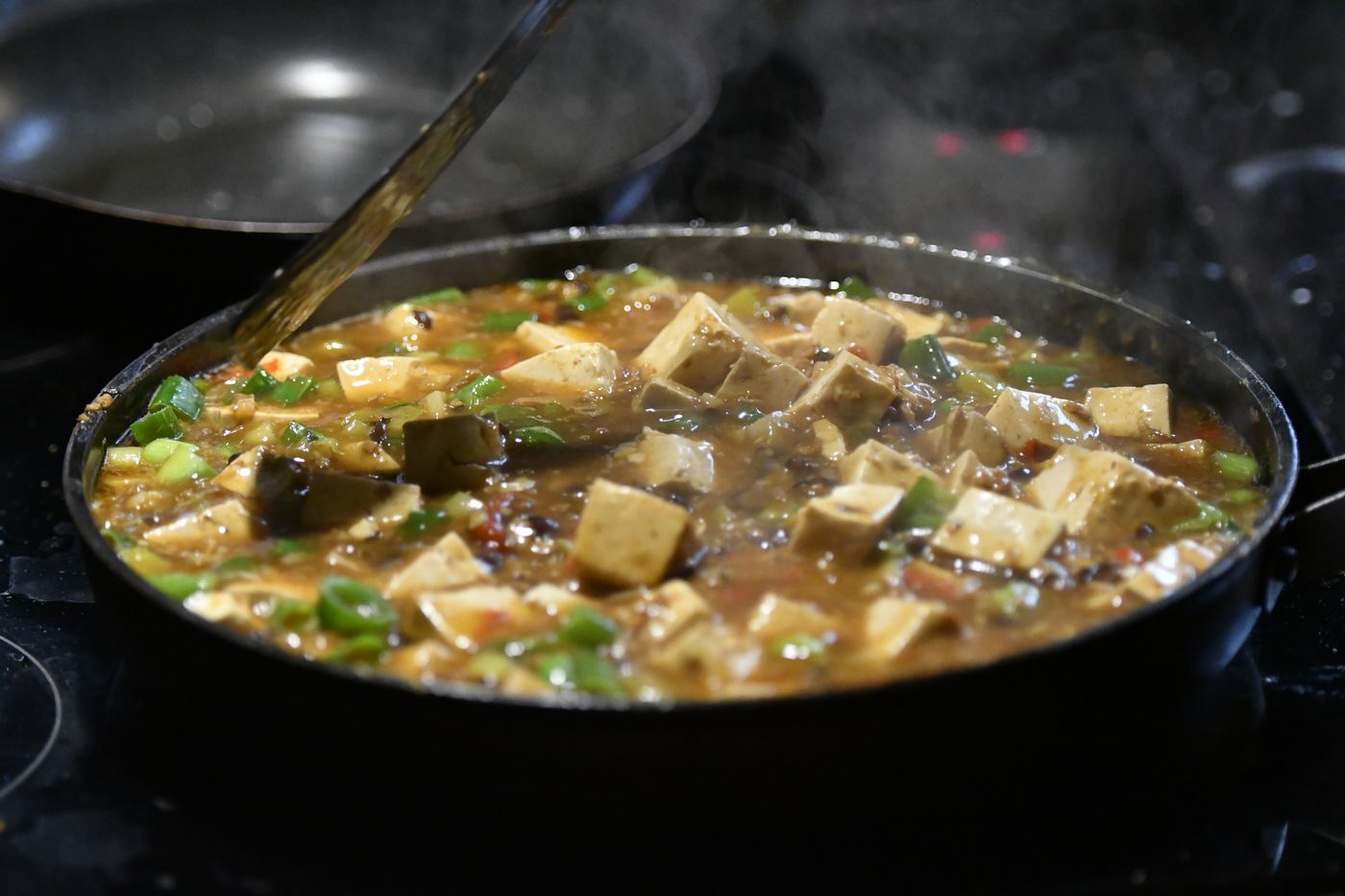
Mapo tofu
A Sichuan dish of silky tofu in a red, oily sauce with minced meat, broad bean paste and tongue-tingling Sichuan pepper. It is famous for combining heat, numbing spice and deep savouriness.
Did you know?
The name means 'pockmarked old woman’s tofu', referring to the Chengdu cook Chen Mapo, who is traditionally credited with creating it.
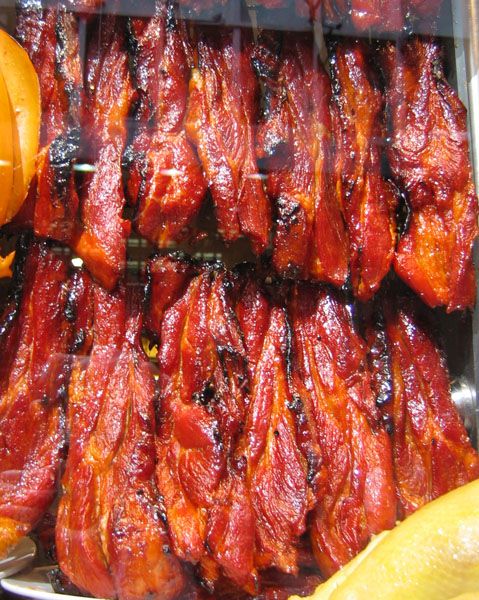
Char siu
Cantonese barbecued pork, typically roasted in long strips and glazed to a shiny red finish with a sweet-savoury marinade. The meat is juicy, fragrant and slightly smoky with caramelised edges.
Did you know?
The name literally means 'fork-roasted', referring to the traditional method of skewering strips of pork on long forks for roasting.
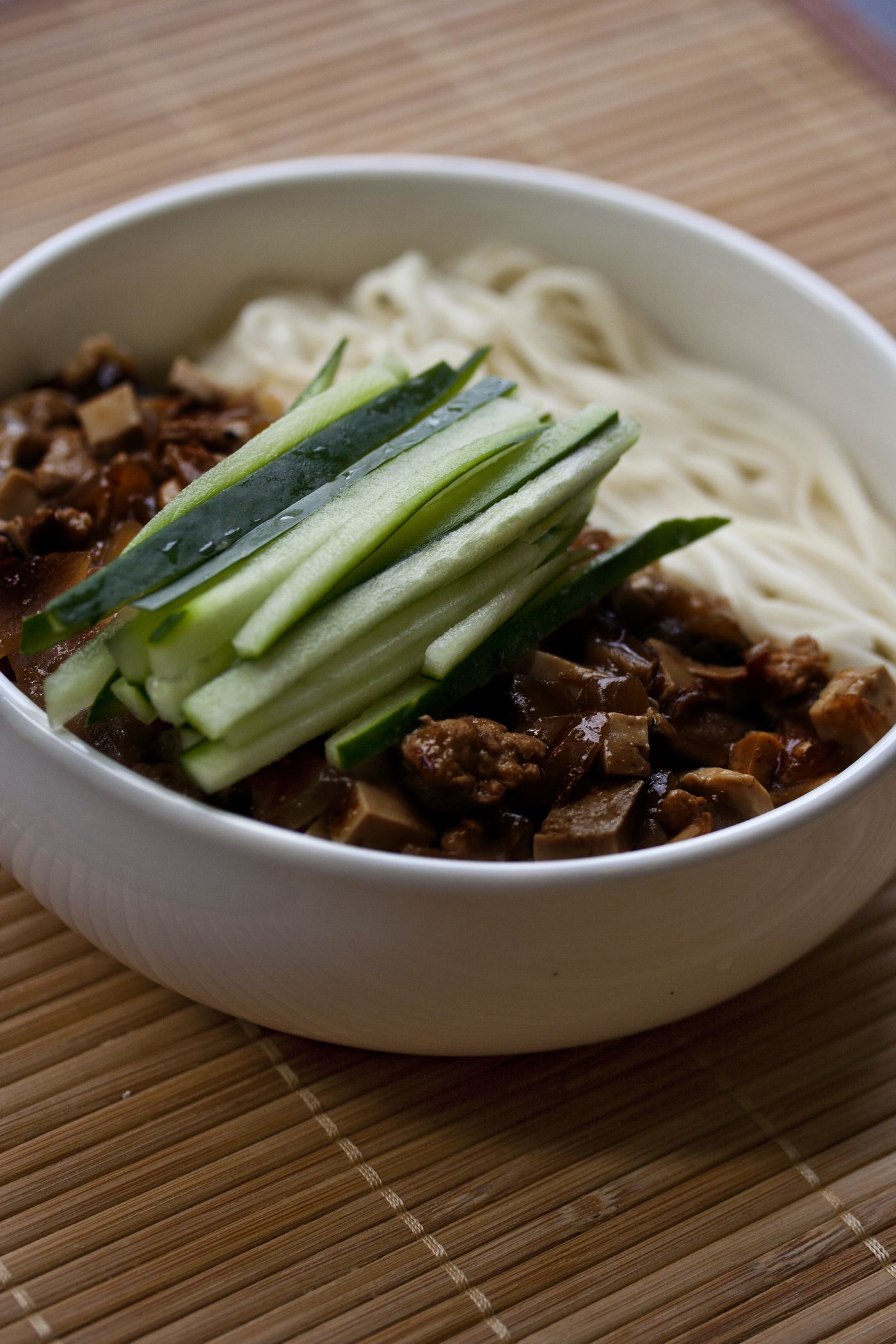
Zhajiangmian
A northern Chinese noodle dish topped with a thick, savoury sauce of stir-fried minced meat and fermented soybean paste. Crisp raw vegetables add freshness to the rich, salty noodles.
Did you know?
Beijing-style zhajiangmian is especially well known, though many regional versions exist across northern China and Korea developed a related descendant, jajangmyeon.
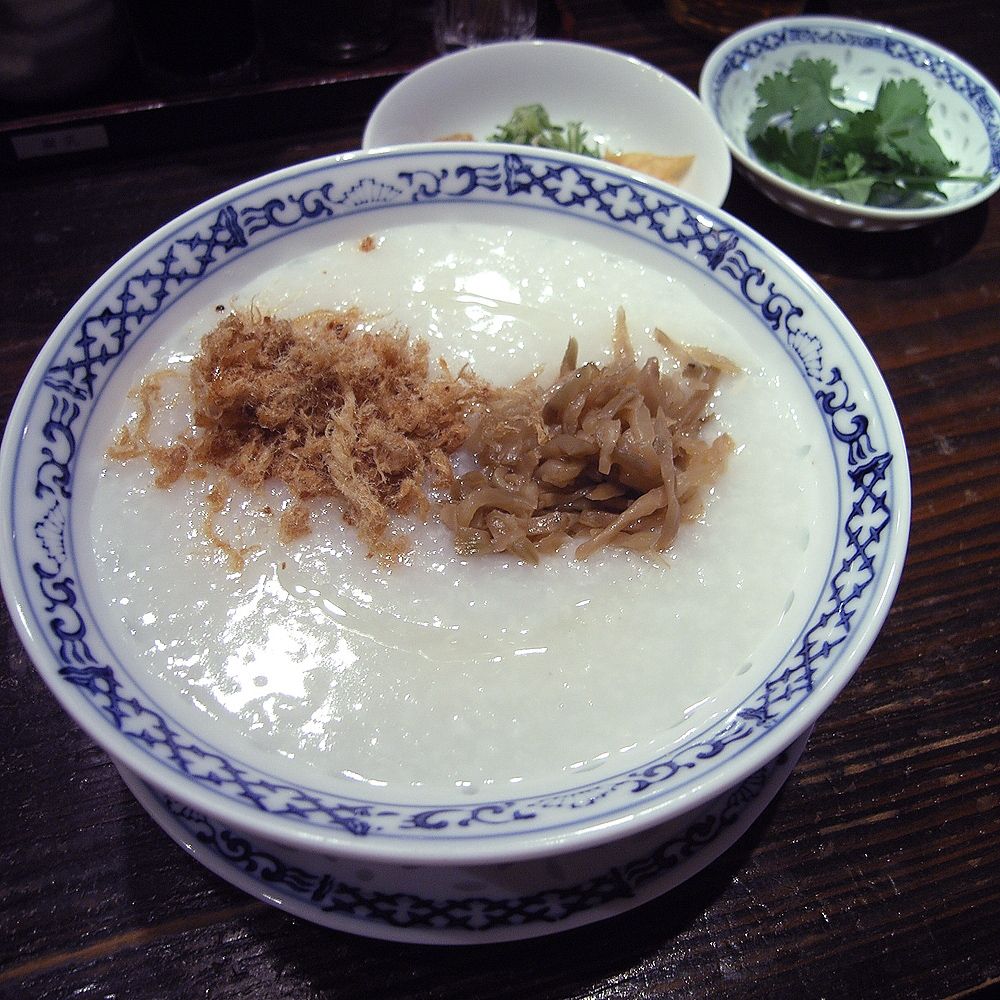
Congee
A soft rice porridge eaten across China plain or with toppings such as preserved egg, pork, fish or pickles. Its mild, comforting taste makes it a staple for breakfast and for people recovering from illness.
Did you know?
Congee has been a staple for centuries because a small amount of rice can be stretched to feed many people.
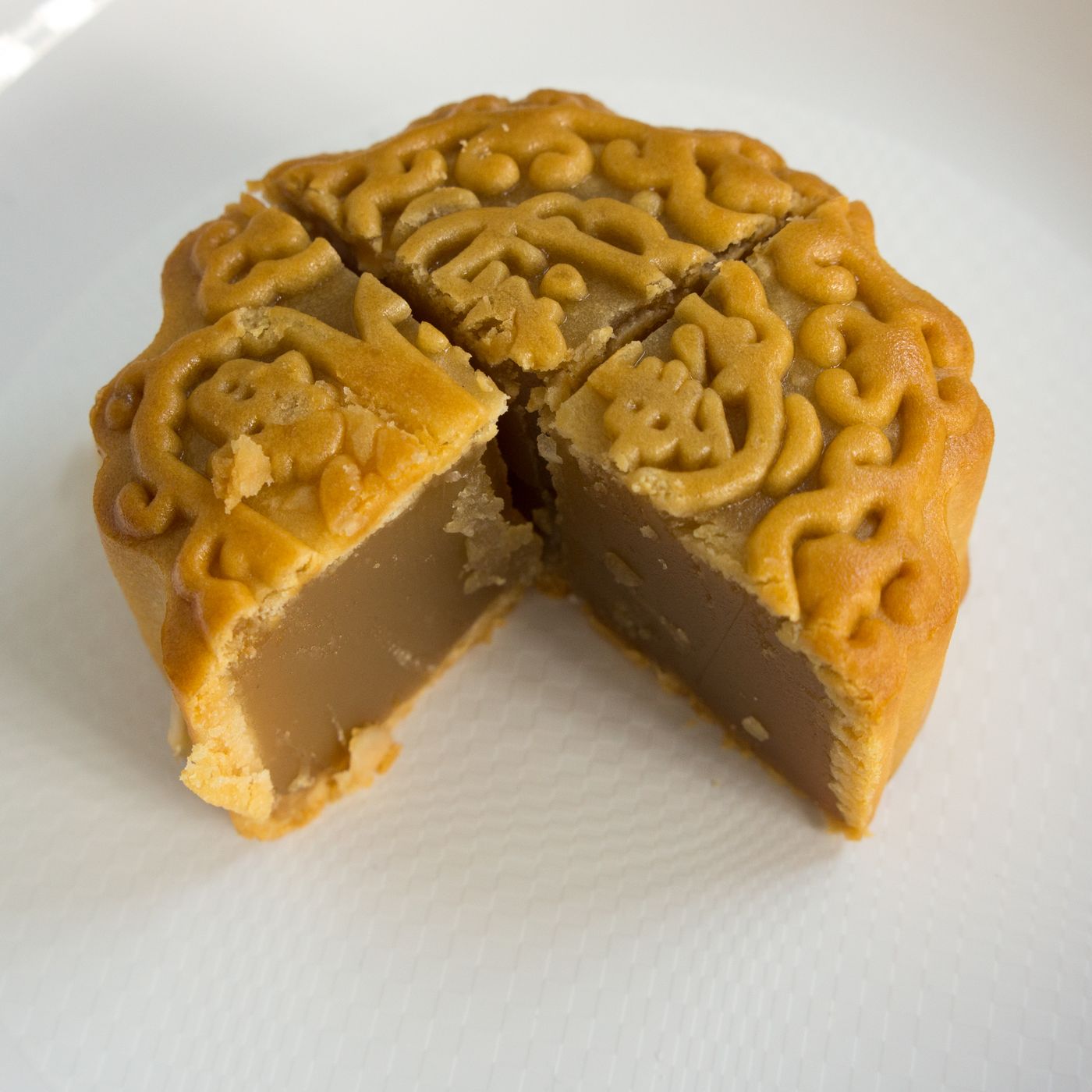
Mooncake
A round, rich festival pastry traditionally filled with sweet lotus seed paste or red bean paste, sometimes with salted egg yolk in the centre. It is dense, aromatic and closely tied to family reunion celebrations.
Did you know?
Mooncakes are strongly associated with the Mid-Autumn Festival, when their round shape symbolises reunion and completeness.
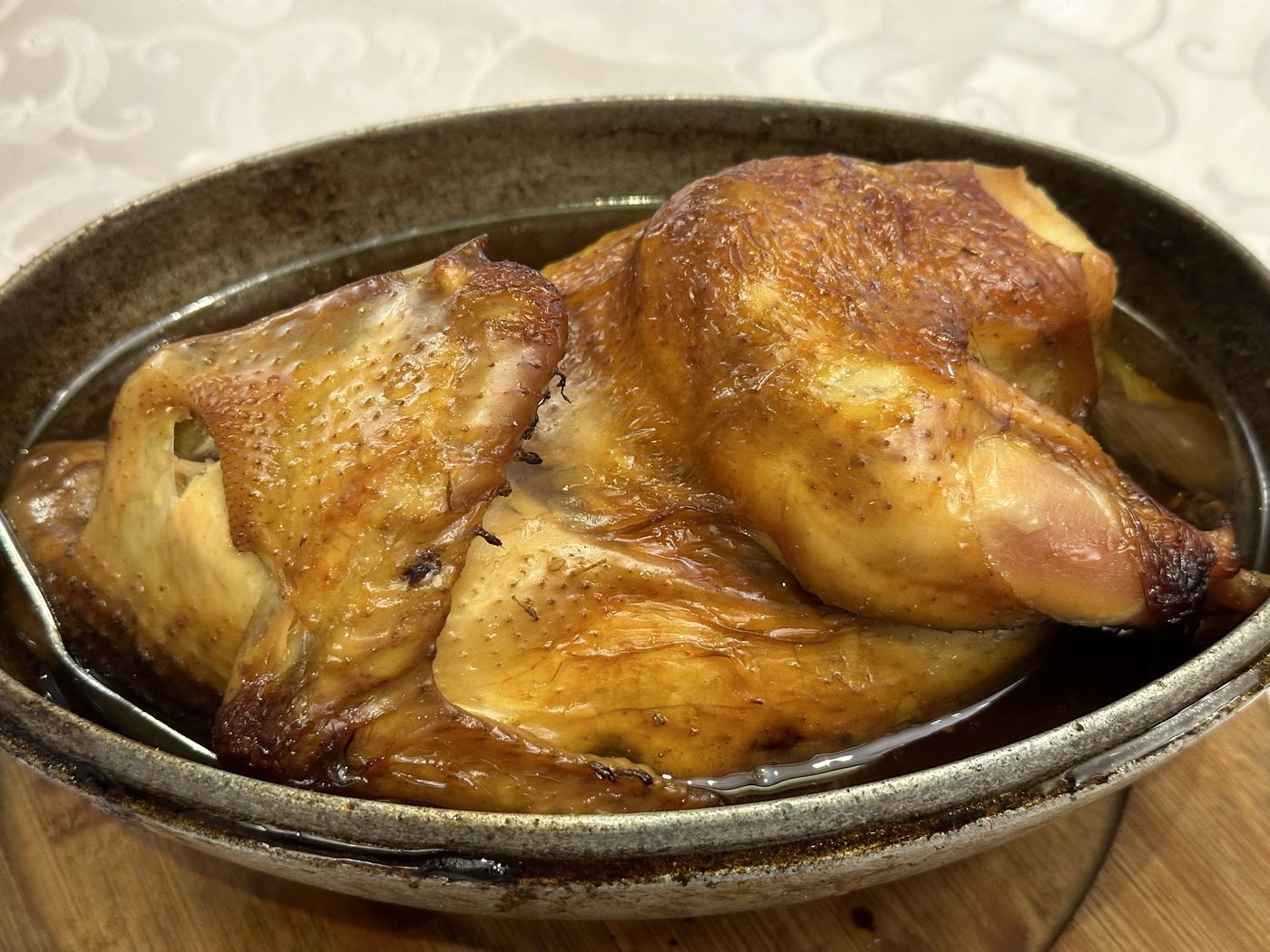
Beggar's chicken
A traditional Jiangsu dish in which a whole stuffed chicken is wrapped and baked until exceptionally tender. It is an old-fashioned specialty associated with Hangzhou and banquet cooking.
Did you know?
The classic method seals the chicken in clay before roasting, which helps trap moisture and aroma.
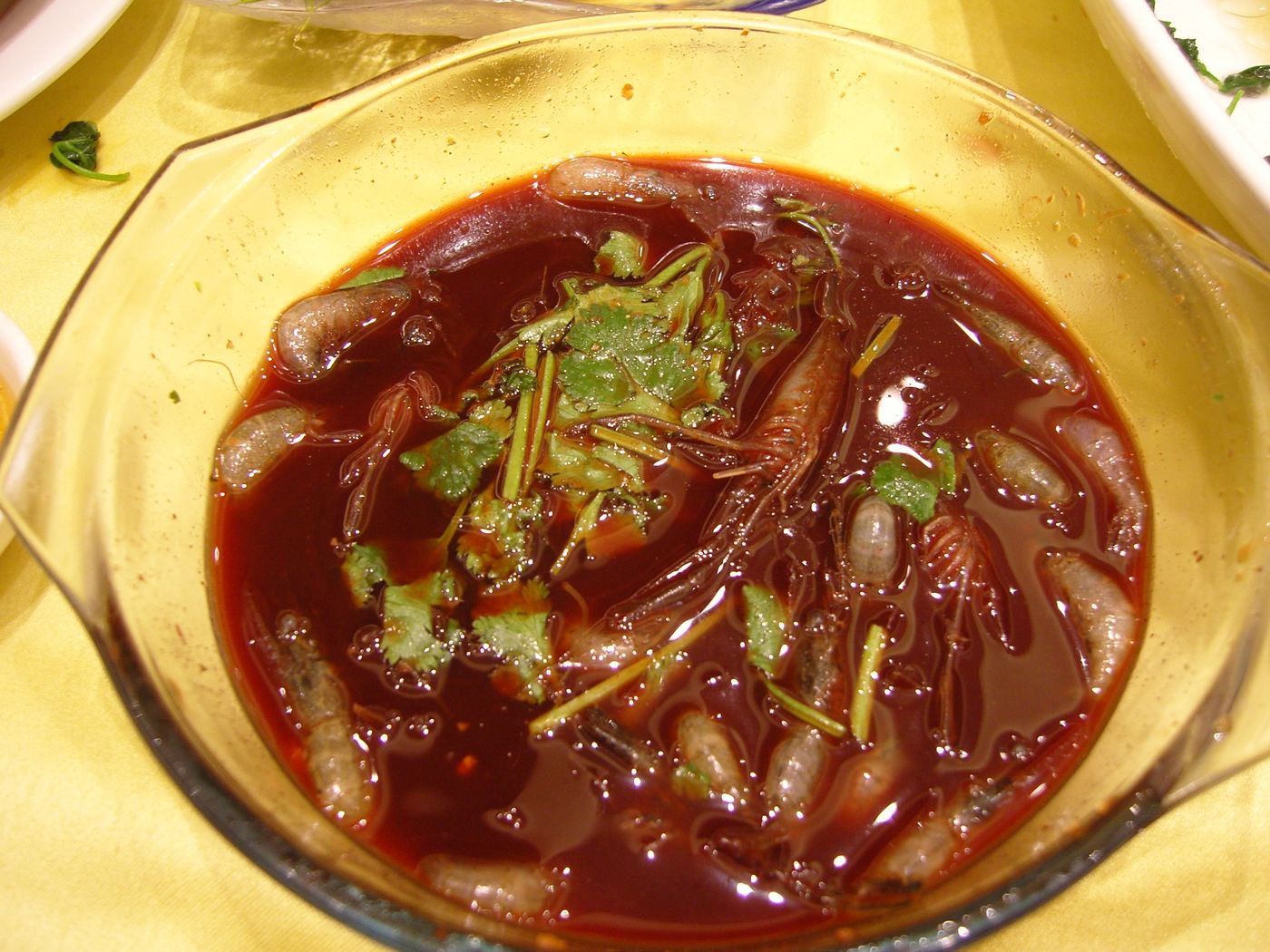
Drunken shrimp
This Chinese delicacy features freshwater shrimp marinated in strong liquor, a preparation known for its bold and adventurous style. It is especially associated with regional food traditions in eastern China.
Did you know?
The dish is famous for being prepared with live shrimp in some traditional versions.