South America
Food of Brazil
The 7 most iconic national dishes of Brazil — real photos, key ingredients and tasty facts behind every plate.
 Americas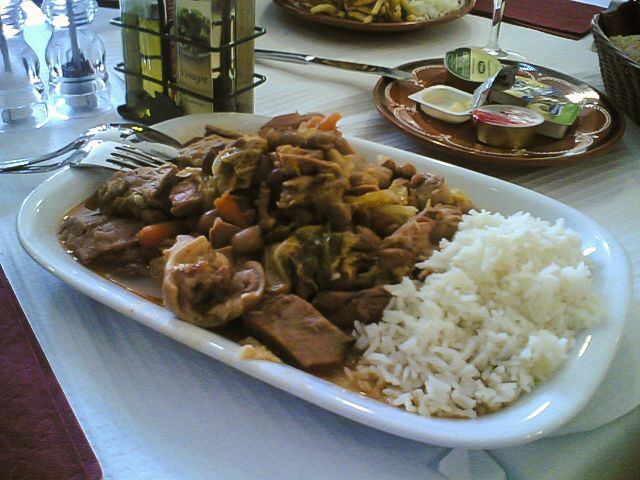
Feijoada
Brazil’s best-known national dish, feijoada is a rich black bean stew cooked with pork and beef. It is traditionally served with rice, farofa, collard greens and orange slices for a deeply savoury, hearty meal.
Did you know?
In Brazil, feijoada is especially associated with Saturday lunches, when families and friends gather for a long, leisurely meal.
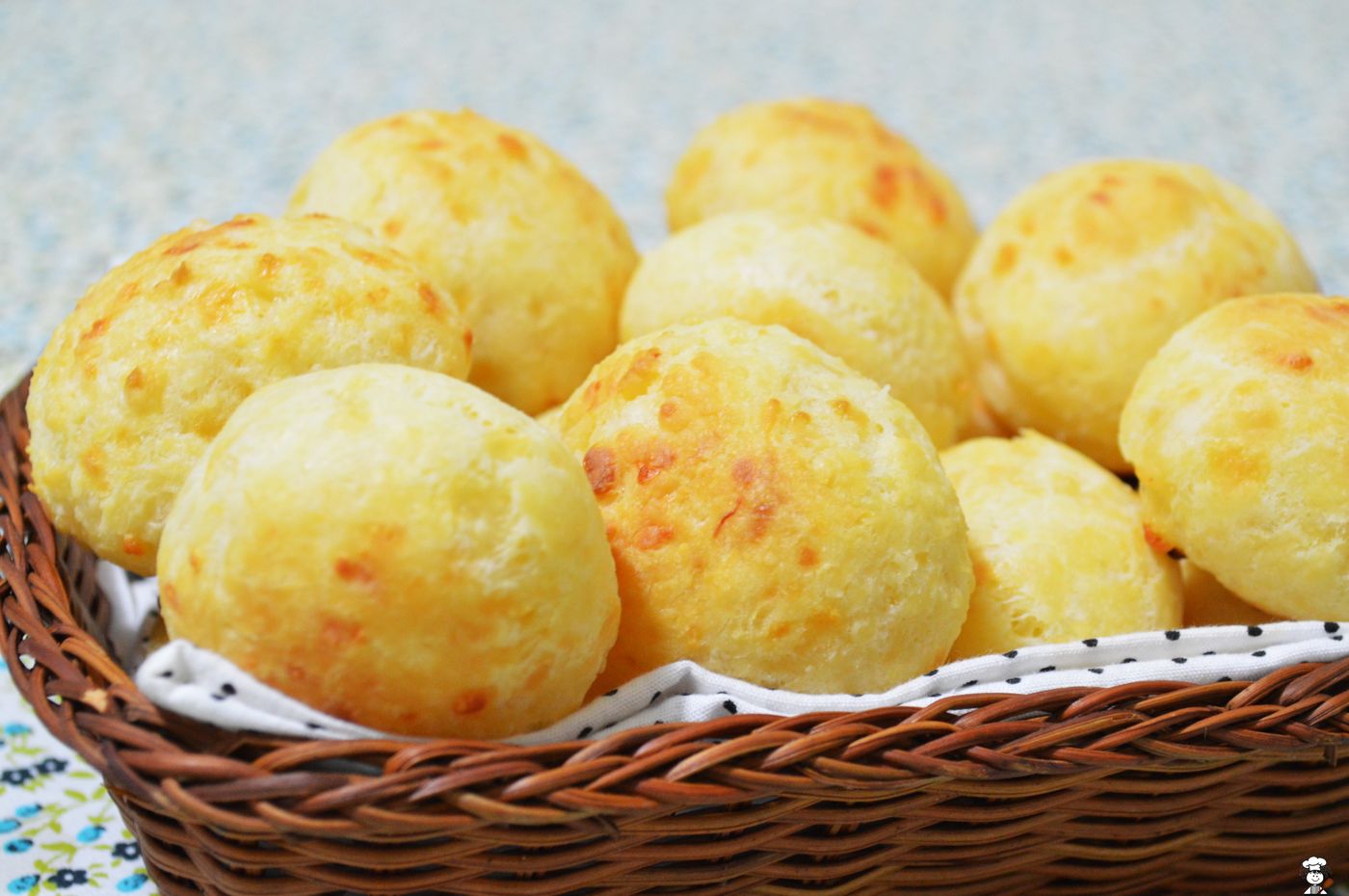
Pão de queijo
These small baked cheese rolls have a crisp golden exterior and a chewy, stretchy centre. Made with cassava starch rather than wheat flour, they have a distinctive lightly tangy, cheesy flavour.
Did you know?
Pão de queijo comes from Minas Gerais and became widespread in part because cassava starch was more available than wheat flour in colonial Brazil.
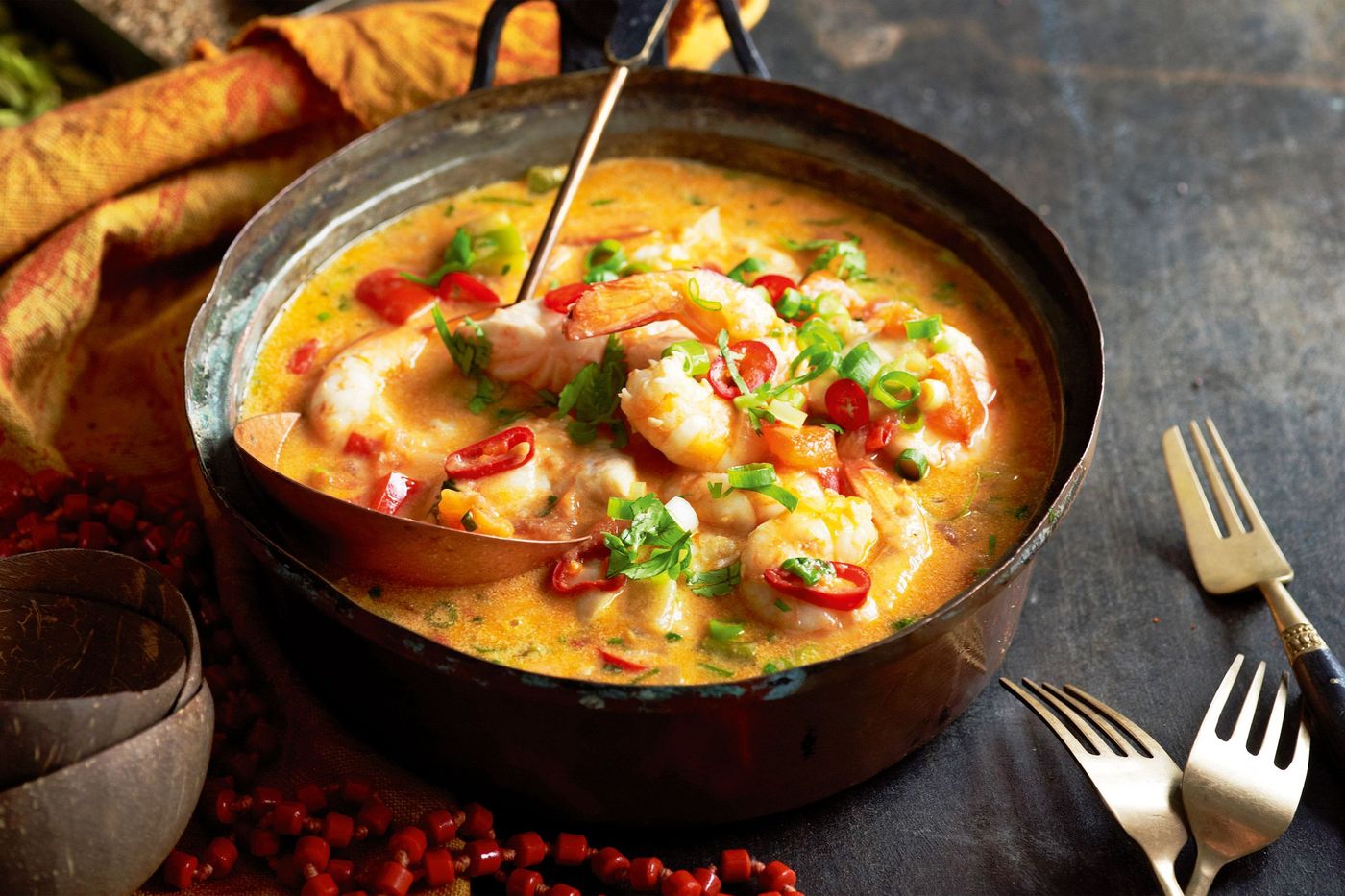
Moqueca
Moqueca is a fragrant Brazilian fish stew simmered with onions, tomatoes and peppers, often enriched with coconut milk and palm oil. It is bright, aromatic and usually served bubbling hot with rice.
Did you know?
Brazil has famous regional versions, especially moqueca baiana from Bahia and moqueca capixaba from Espírito Santo, which differ notably in ingredients and cooking style.
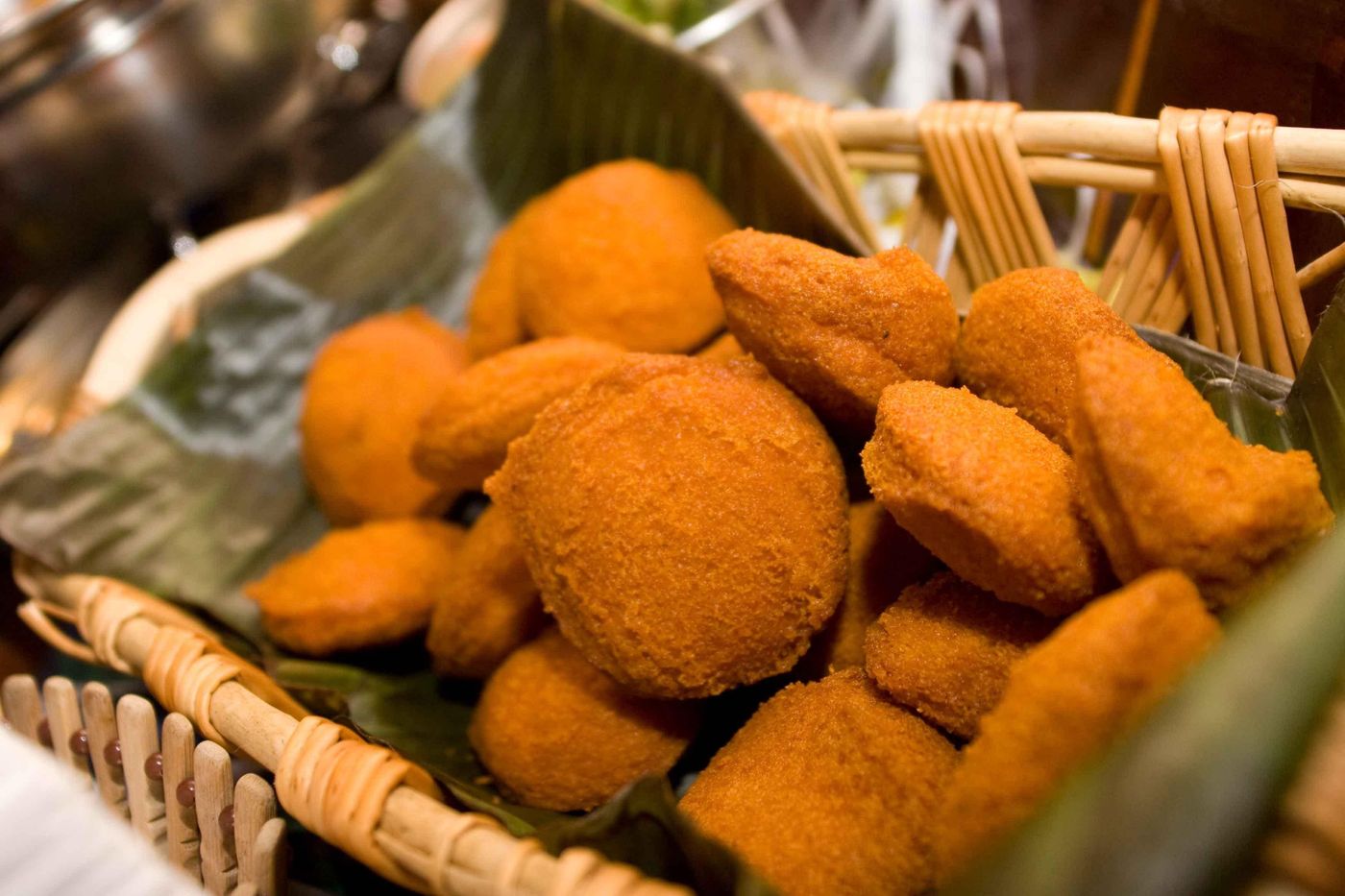
Acarajé
Acarajé is a deep-fried black-eyed pea fritter split and stuffed with spicy vatapá, shrimp and salad. Crispy outside and soft inside, it is one of Bahia’s most iconic street foods.
Did you know?
Acarajé has strong Afro-Brazilian roots and is closely tied to the traditions of the Candomblé religion in Bahia.
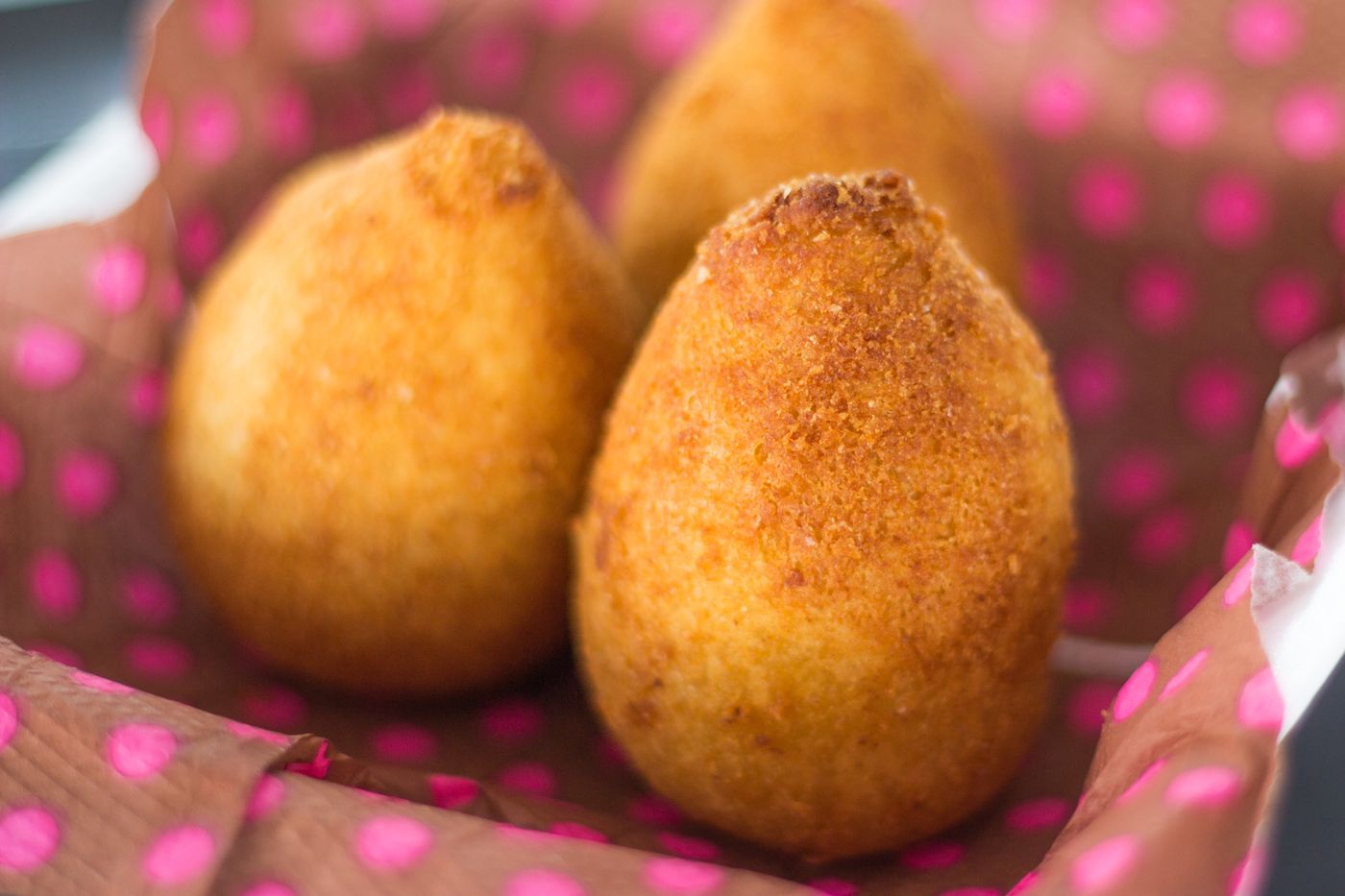
Coxinha
Coxinha is a teardrop-shaped croquette filled with shredded chicken, coated in crumbs and fried until crisp. Its creamy interior and distinctive drumstick shape make it one of Brazil’s most beloved snacks.
Did you know?
Its name means “little thigh,” a reference to the snack’s shape, which resembles a chicken drumstick.

Brigadeiro
Brigadeiro is a fudgy chocolate sweet made by cooking condensed milk with cocoa and butter, then rolling it into small balls covered in chocolate sprinkles. It is intensely sweet, soft and a fixture at Brazilian celebrations.
Did you know?
The sweet is said to be named after Brigadier Eduardo Gomes, whose presidential campaign in the 1940s helped popularise it.
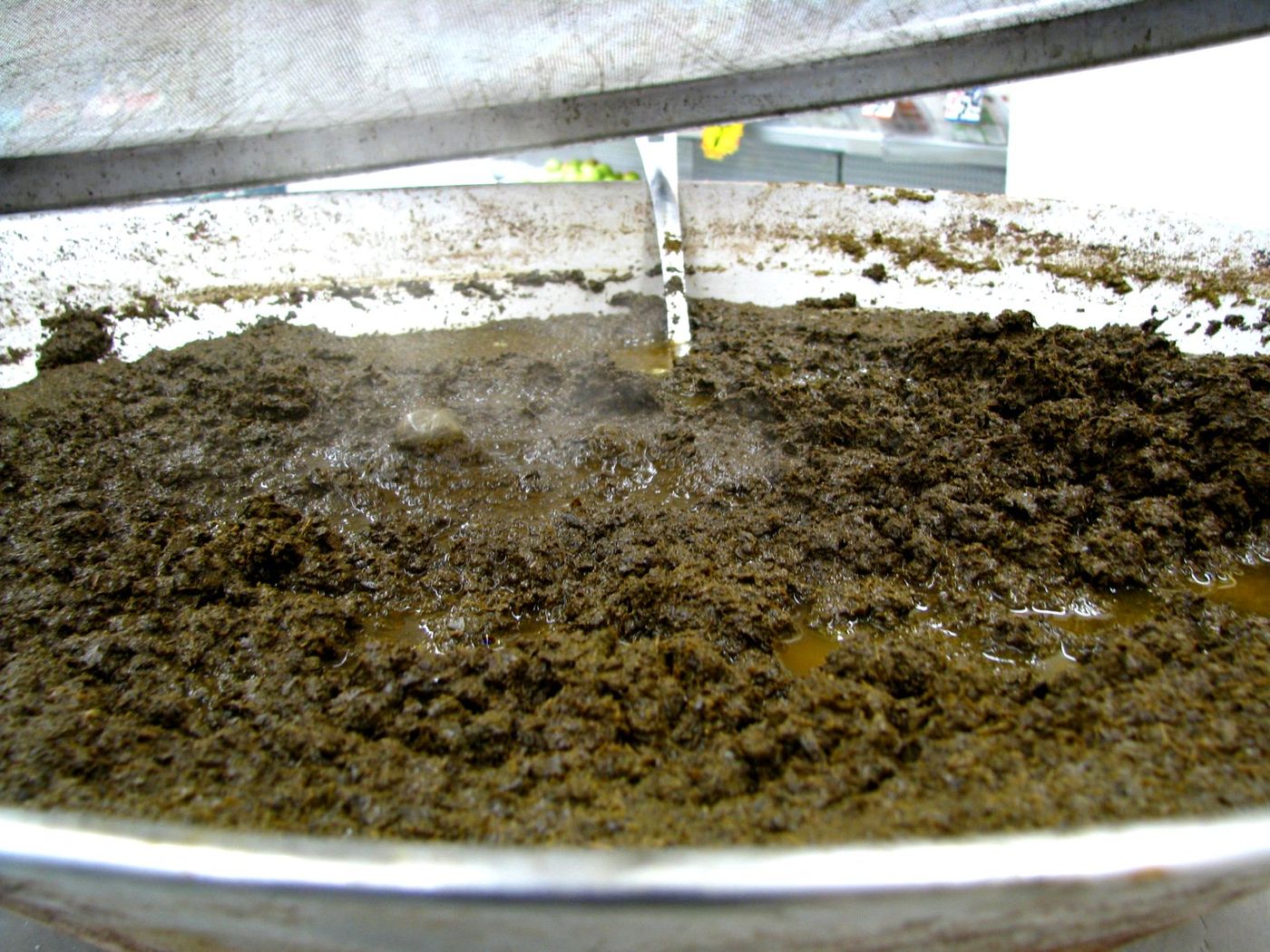
Maniçoba
A traditional dish from Pará made by slow-cooking ground manioc leaves with a mix of pork cuts. Its long preparation gives it a dark color and deep, meaty flavor.
Did you know?
The manioc leaves are traditionally boiled for about a week to remove their natural toxicity.