South America
Food of Bolivia
The 6 most iconic national dishes of Bolivia — real photos, key ingredients and tasty facts behind every plate.
 Americas
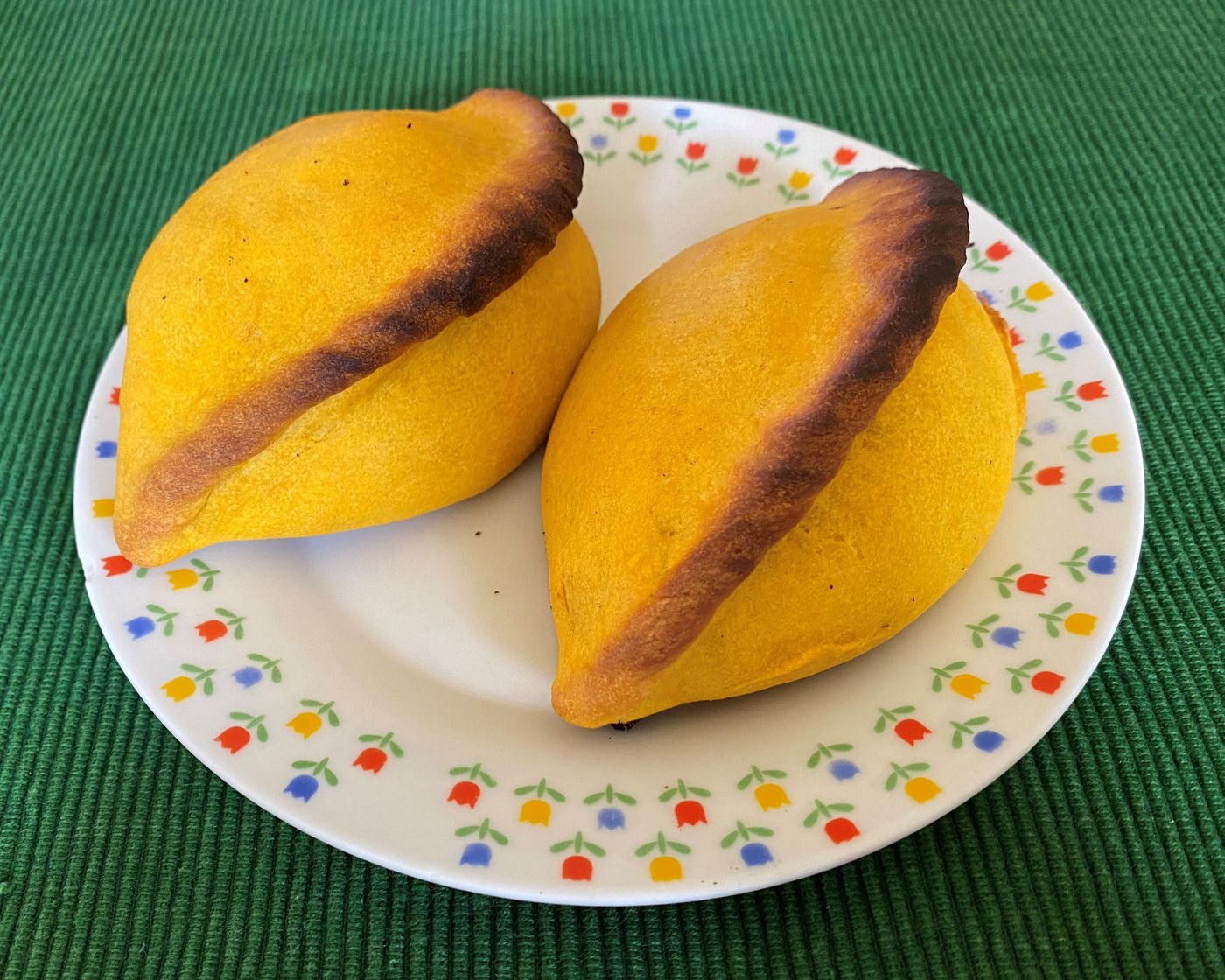
Salteña
A baked Bolivian pastry filled with a juicy, slightly sweet-savory stew of meat, potatoes, peas and spices. Its glossy crust and soupy filling make it one of the country’s most recognizable snacks.
Did you know?
Salteñas are famously eaten in the morning, and locals often pride themselves on finishing one without spilling the hot filling.
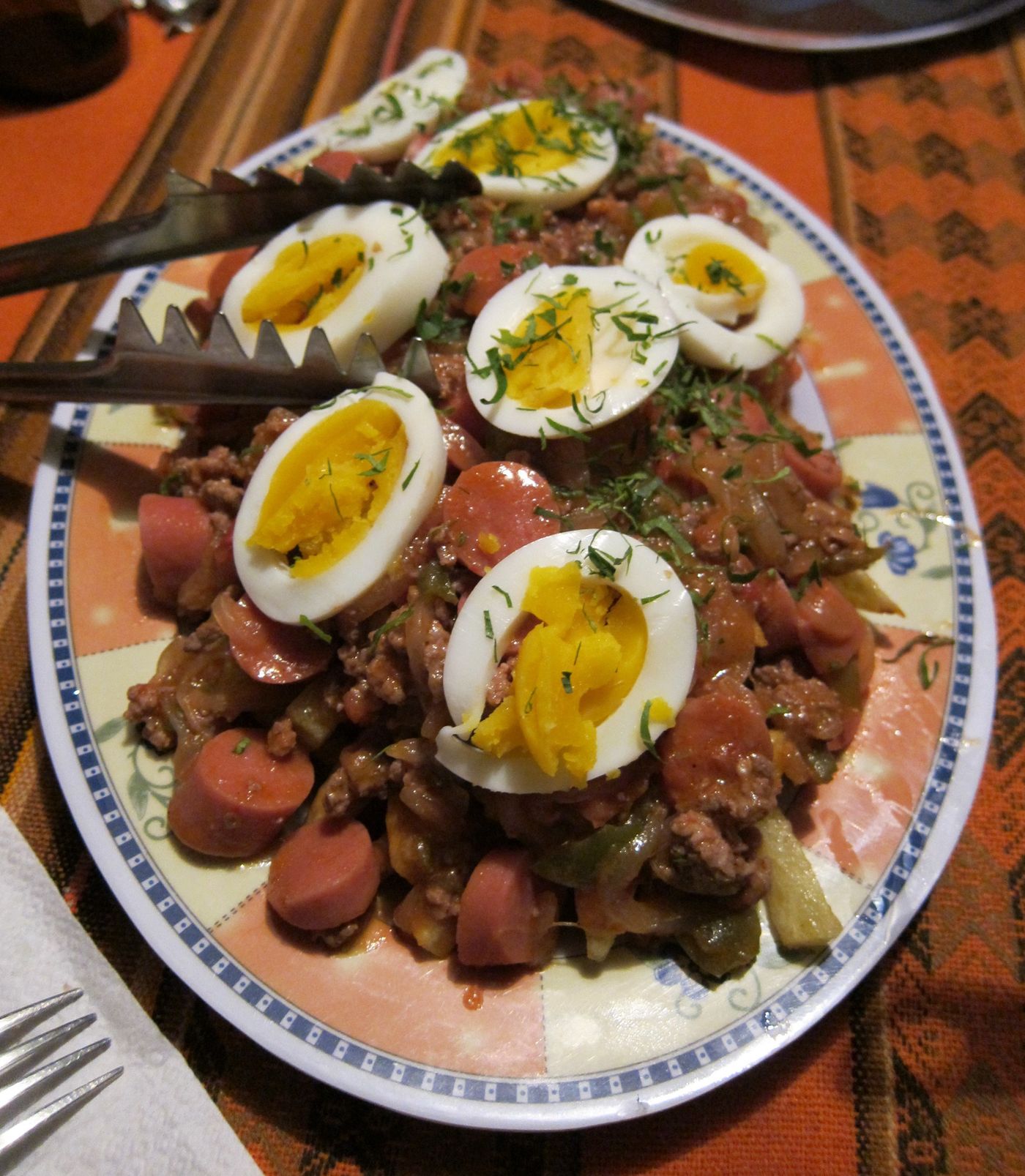
Pique macho
A hearty platter of beef, sausages, fries, onions, tomatoes and chili, often topped with boiled egg. It is bold, spicy and designed for sharing.
Did you know?
The dish’s name roughly means “manly pique,” reflecting its reputation as a large, fiery meal.
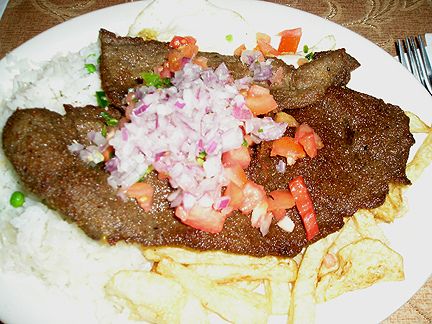
Silpancho
A Cochabamba classic of a thin breaded meat cutlet served over rice and potatoes, usually topped with fried egg and fresh salsa. It is crisp, filling and layered with contrasting textures.
Did you know?
Silpancho is especially associated with Cochabamba, a city widely celebrated inside Bolivia for its food culture.
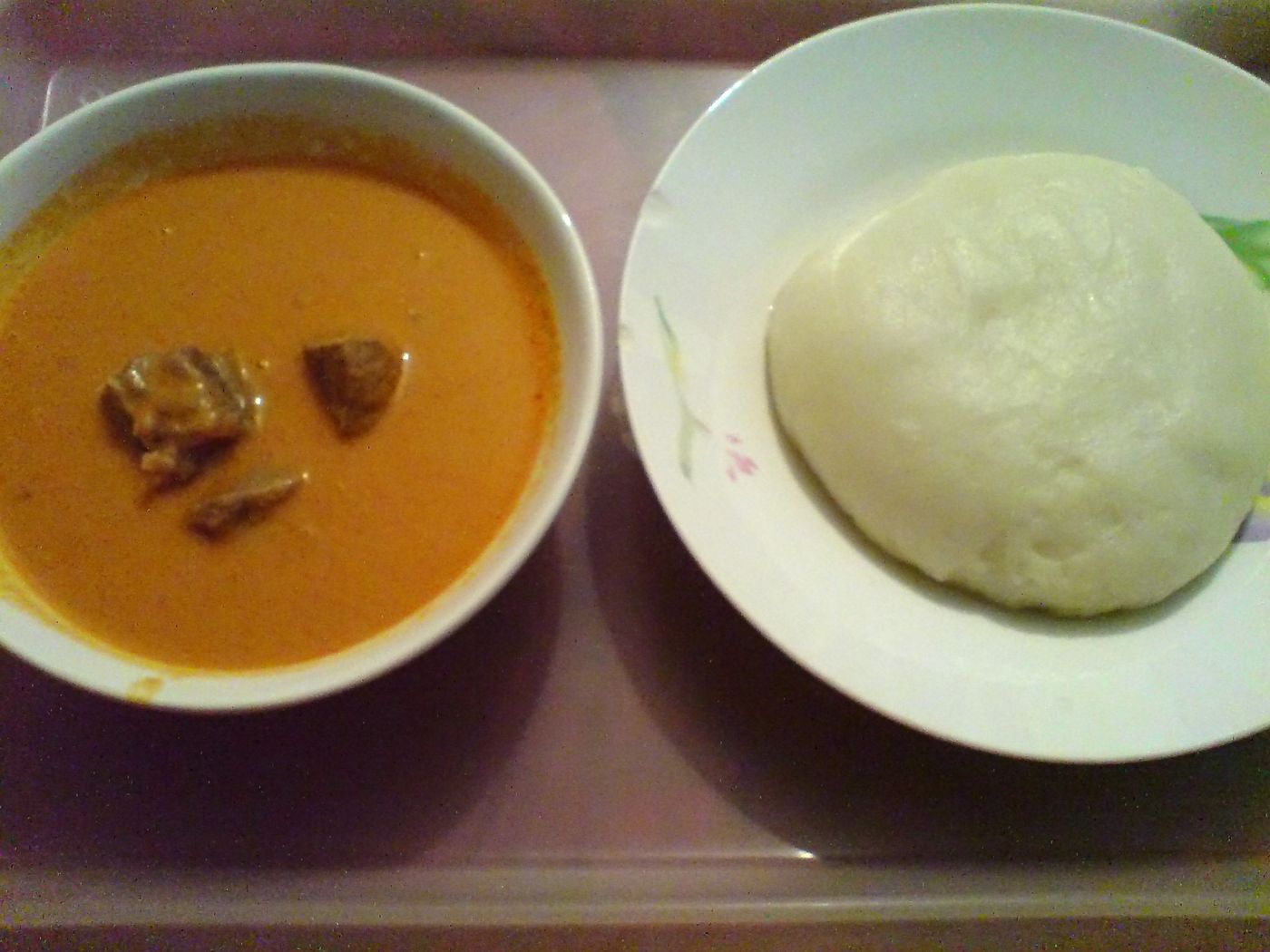
Sopa de maní
A rich Andean soup made with ground peanuts, meat and vegetables, often finished with crisp potato sticks. It tastes nutty, savory and comforting.
Did you know?
Peanut soup is eaten across several Andean countries, but it is especially embedded in everyday home-style cooking in Bolivia.
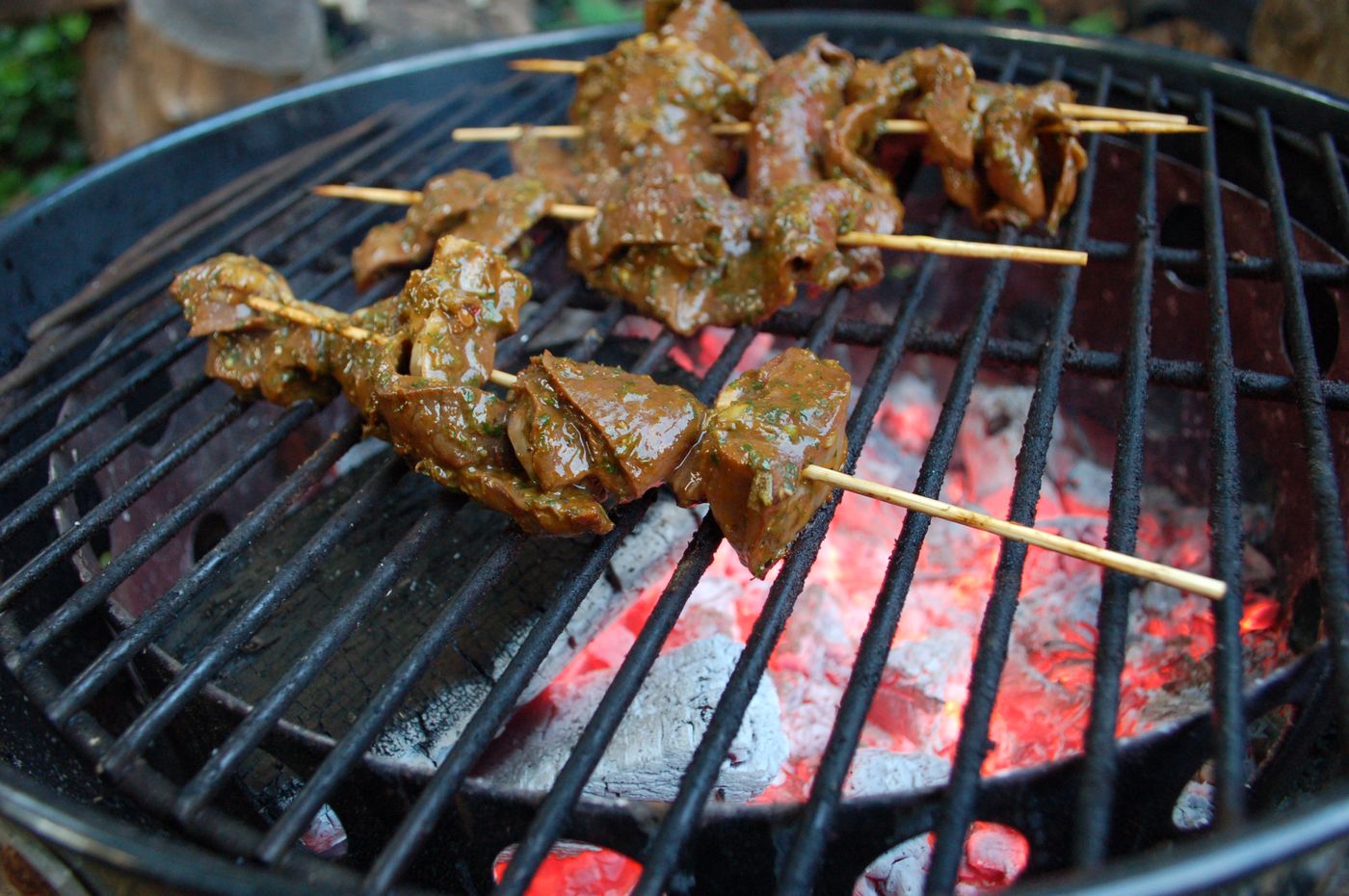
Anticucho
These are skewers of grilled marinated beef heart, commonly sold by street vendors and served with potatoes and spicy peanut sauce. They have a smoky, deeply savory flavor and a pleasantly chewy bite.
Did you know?
Anticucho has roots in the colonial era, when less expensive cuts and organs became central to street food traditions.
Wallake
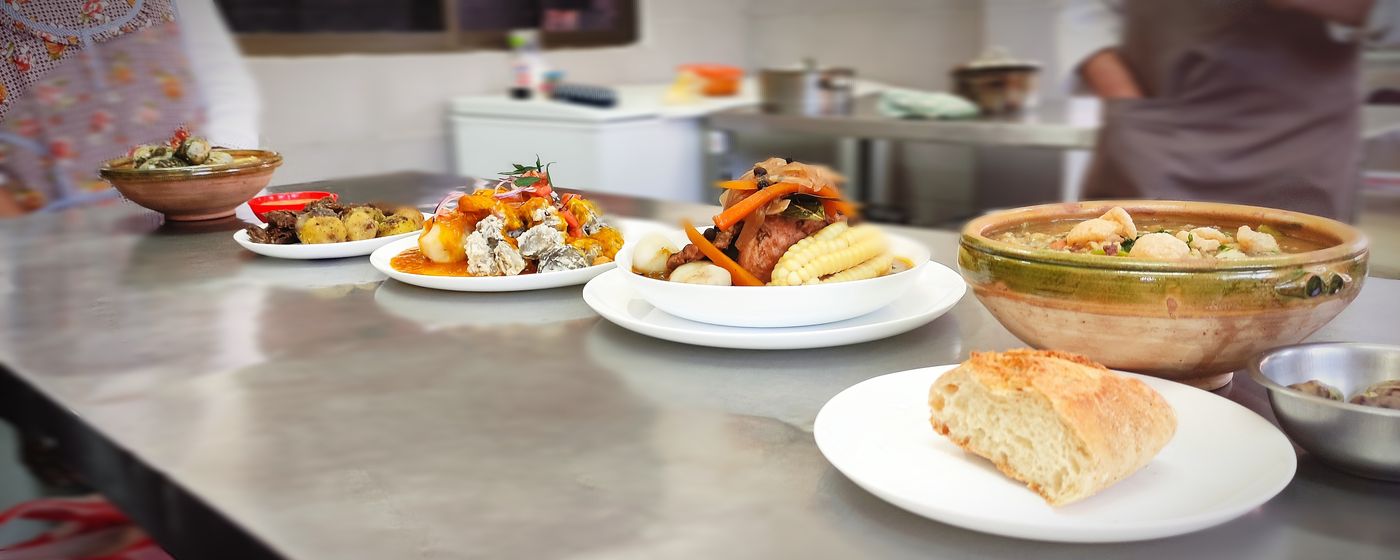
A traditional Aymara fish soup from the Lake Titicaca region, usually made with native catfish and seasoned with Andean herbs and chili. It is light, aromatic and strongly tied to highland indigenous cuisine.
Did you know?
Wallake is one of Bolivia’s most regionally distinctive soups and is especially associated with communities around Lake Titicaca.