Western Asia
Food of Armenia
The 6 most iconic national dishes of Armenia — real photos, key ingredients and tasty facts behind every plate.
 Asia
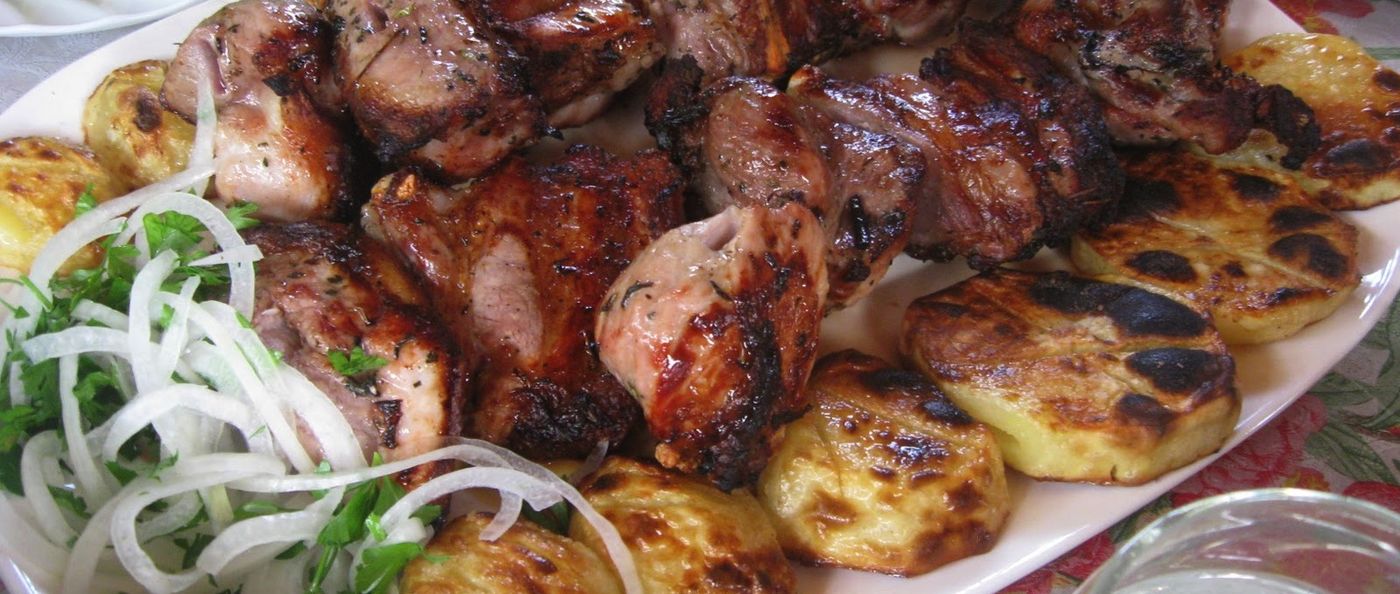
Khorovats
Armenia’s signature barbecue of skewered, charcoal-grilled meat, usually pork, lamb, or chicken. It is smoky, juicy, and central to family gatherings and festive meals.
Did you know?
Khorovats is so culturally important that Armenia hosts barbecue festivals devoted to it.
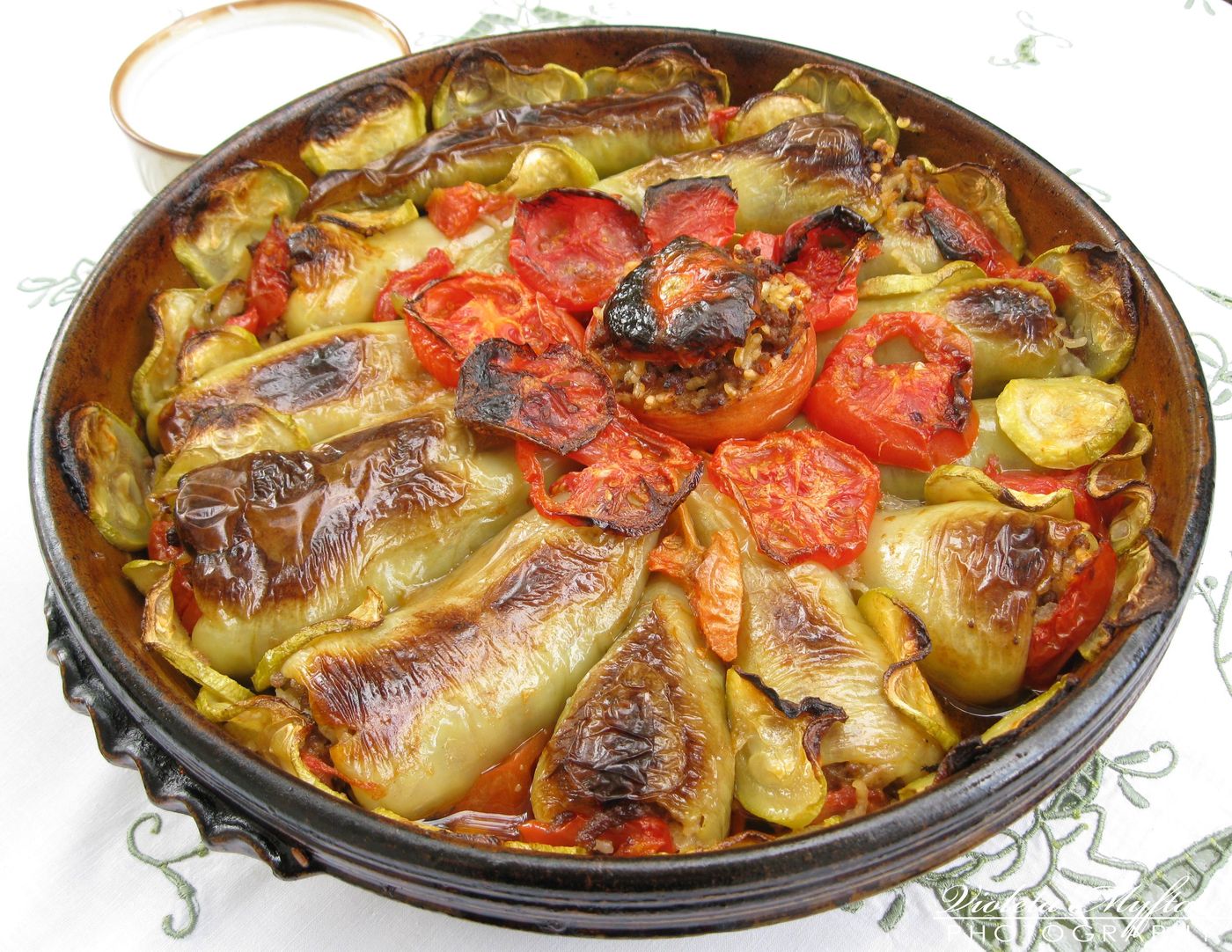
Dolma
In Armenia, dolma usually means grape leaves or vegetables stuffed with minced meat, rice, and herbs. It is savory, aromatic, and one of the country’s best-known home dishes.
Did you know?
Armenian cooks make many versions of dolma, including summer vegetable dolma and the distinctive cabbage-based pasuts tolma.
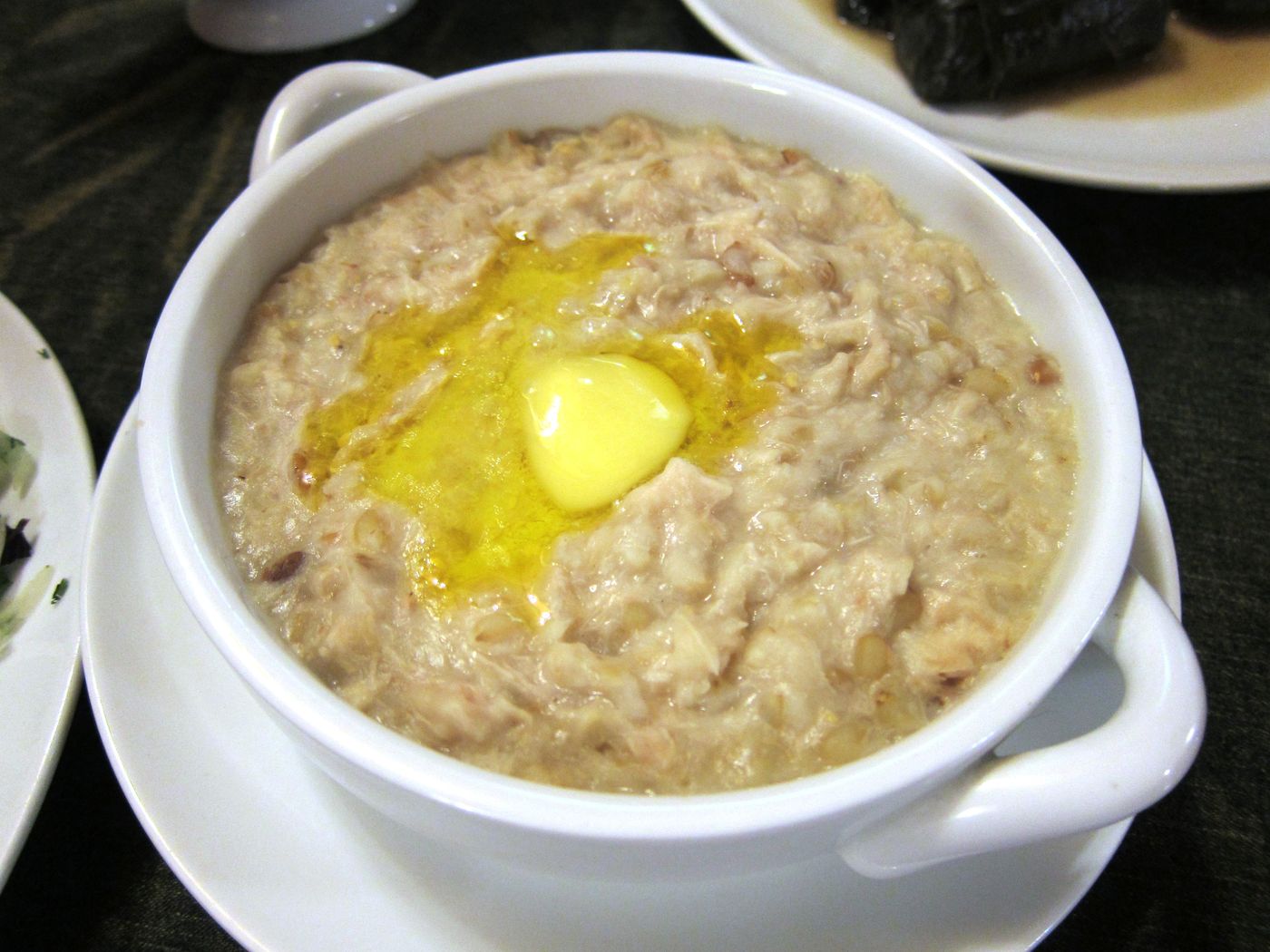
Harissa
A thick, comforting porridge-like dish made by slowly cooking cracked wheat with meat until it becomes creamy and deeply savory. It is especially associated with communal cooking and religious occasions.
Did you know?
Harissa is traditionally linked to the legend of Gregory the Illuminator and remains symbolic in Armenian culinary heritage.
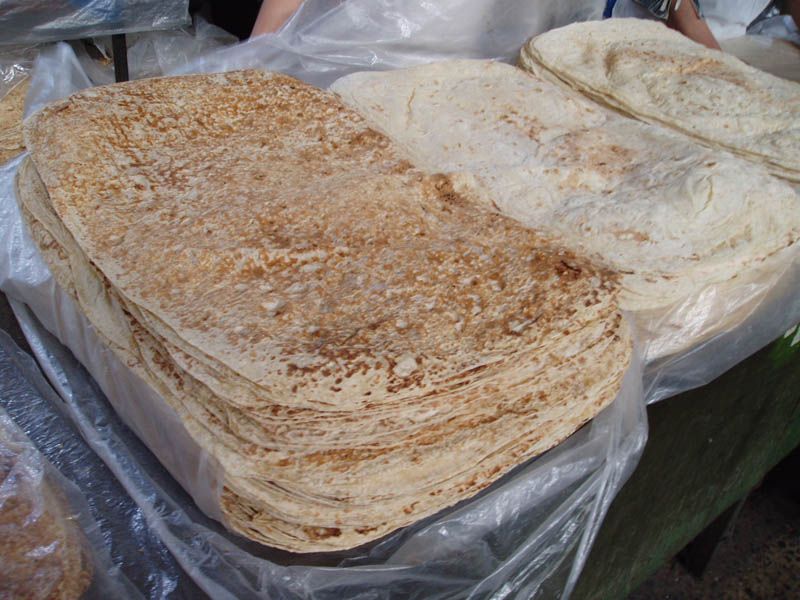
Lavash
This thin, soft flatbread is a daily staple in Armenia, baked in a tonir oven and used to wrap meats, herbs, and cheese. Fresh lavash is pliable and slightly smoky, while dried lavash can be stored for months.
Did you know?
Lavash baking and its cultural role in Armenia are inscribed on UNESCO’s Intangible Cultural Heritage list.
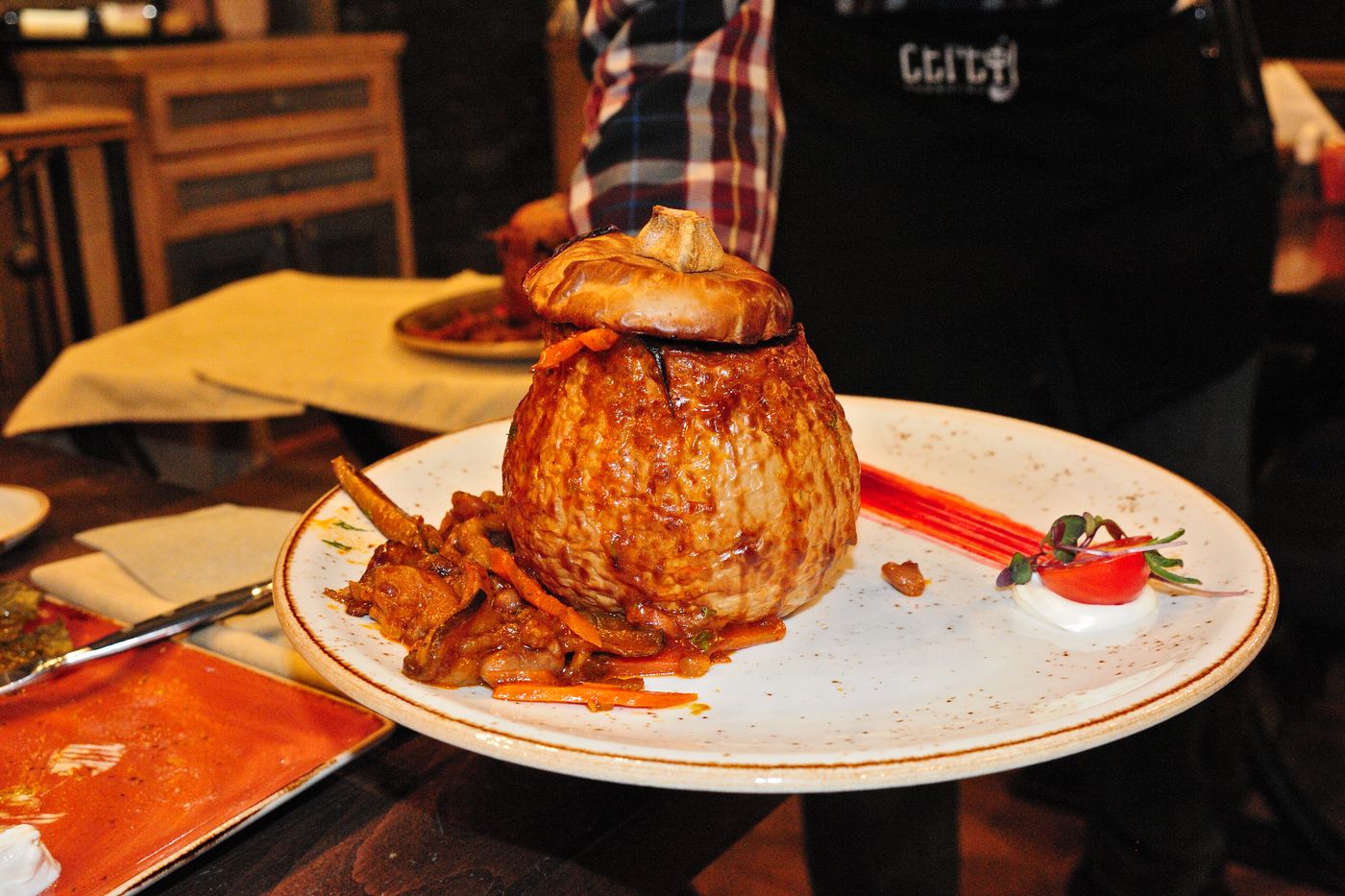
Ghapama
A festive stuffed pumpkin baked whole and filled with rice, dried fruits, nuts, and warm spices. It is sweet-savory, fragrant, and especially associated with celebrations and winter tables.
Did you know?
Ghapama is famously celebrated in Armenian folk song, helping make it one of the country’s most recognizable ceremonial dishes.
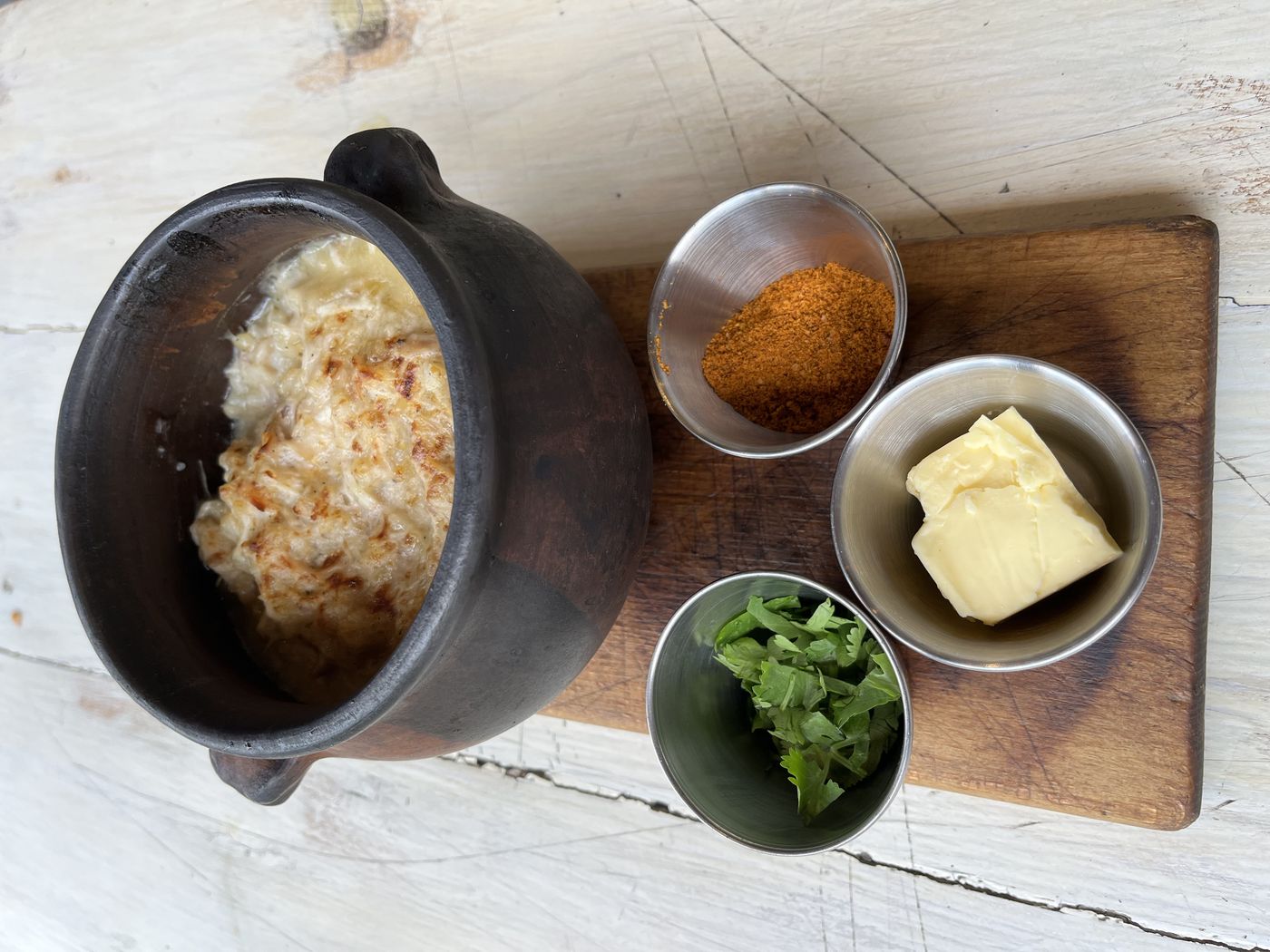
Kchuch
A lesser-known Armenian clay-pot dish, kchuch combines lamb or beef with vegetables and herbs, baked slowly until rich and tender. It has a rustic, earthy flavor and a very regional home-cooking feel.
Did you know?
Its name refers to the clay vessel in which it is traditionally cooked, highlighting the importance of earthenware in Armenian cookery.