Middle Africa
Food of Angola
The 6 most iconic national dishes of Angola — real photos, key ingredients and tasty facts behind every plate.
 Africa
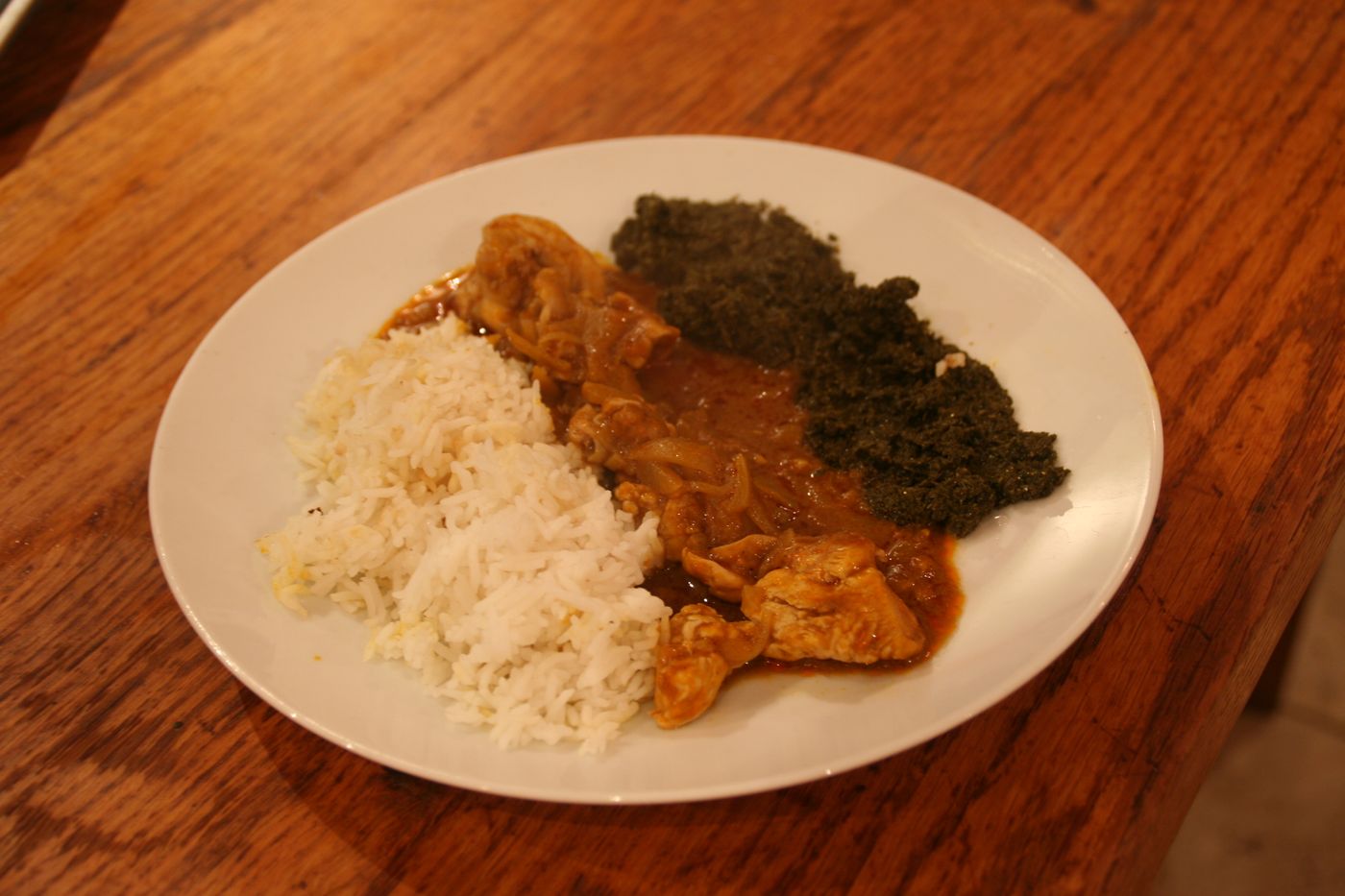
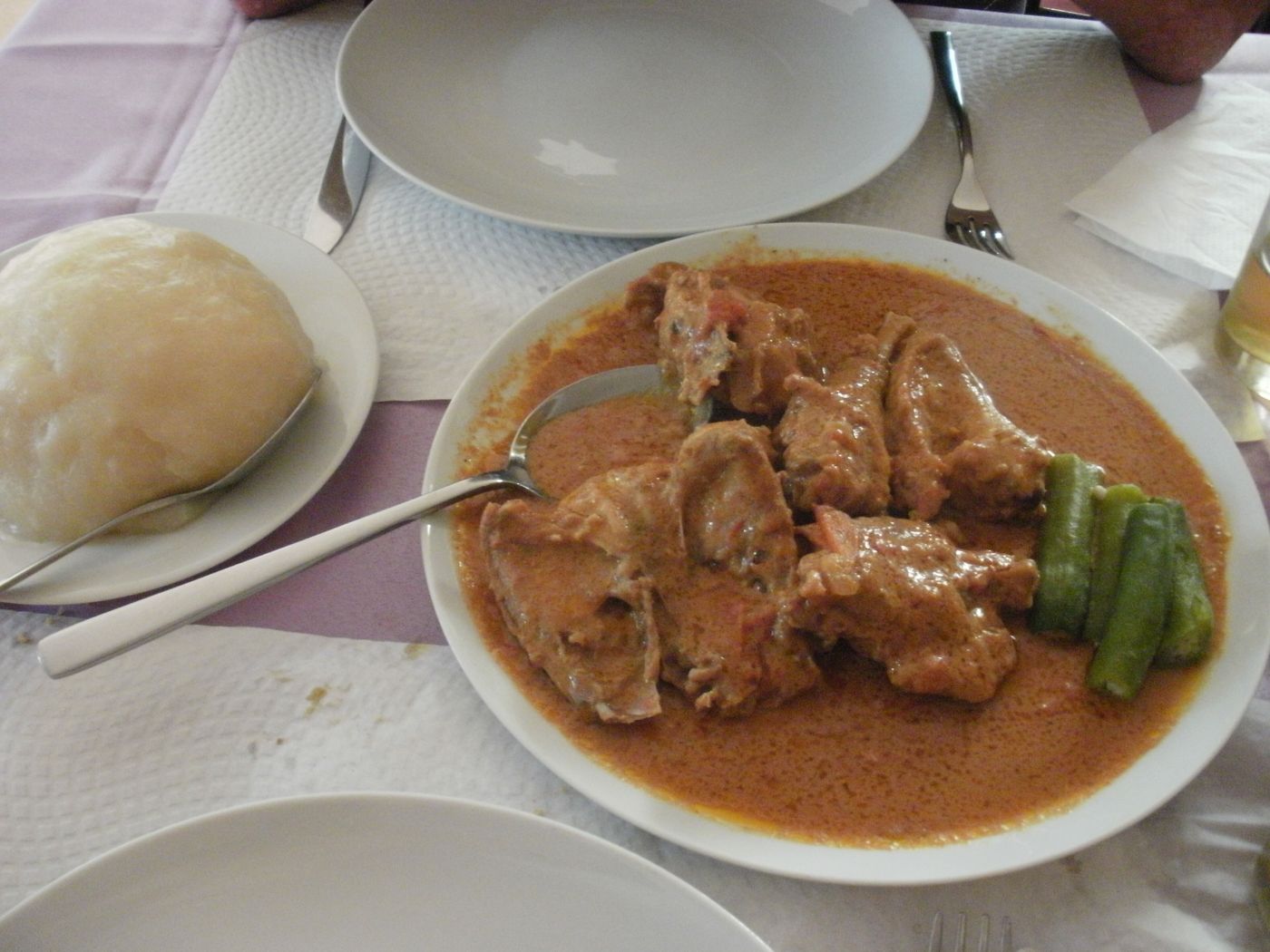
Moamba de galinha
Often regarded as Angola’s national dish, this is a rich chicken stew flavored with red palm oil, garlic, okra and chili. It is deeply savory, slightly earthy and usually served with funge.
Did you know?
Moamba de galinha is also popular in neighboring countries, but it is especially emblematic of Angolan home cooking.
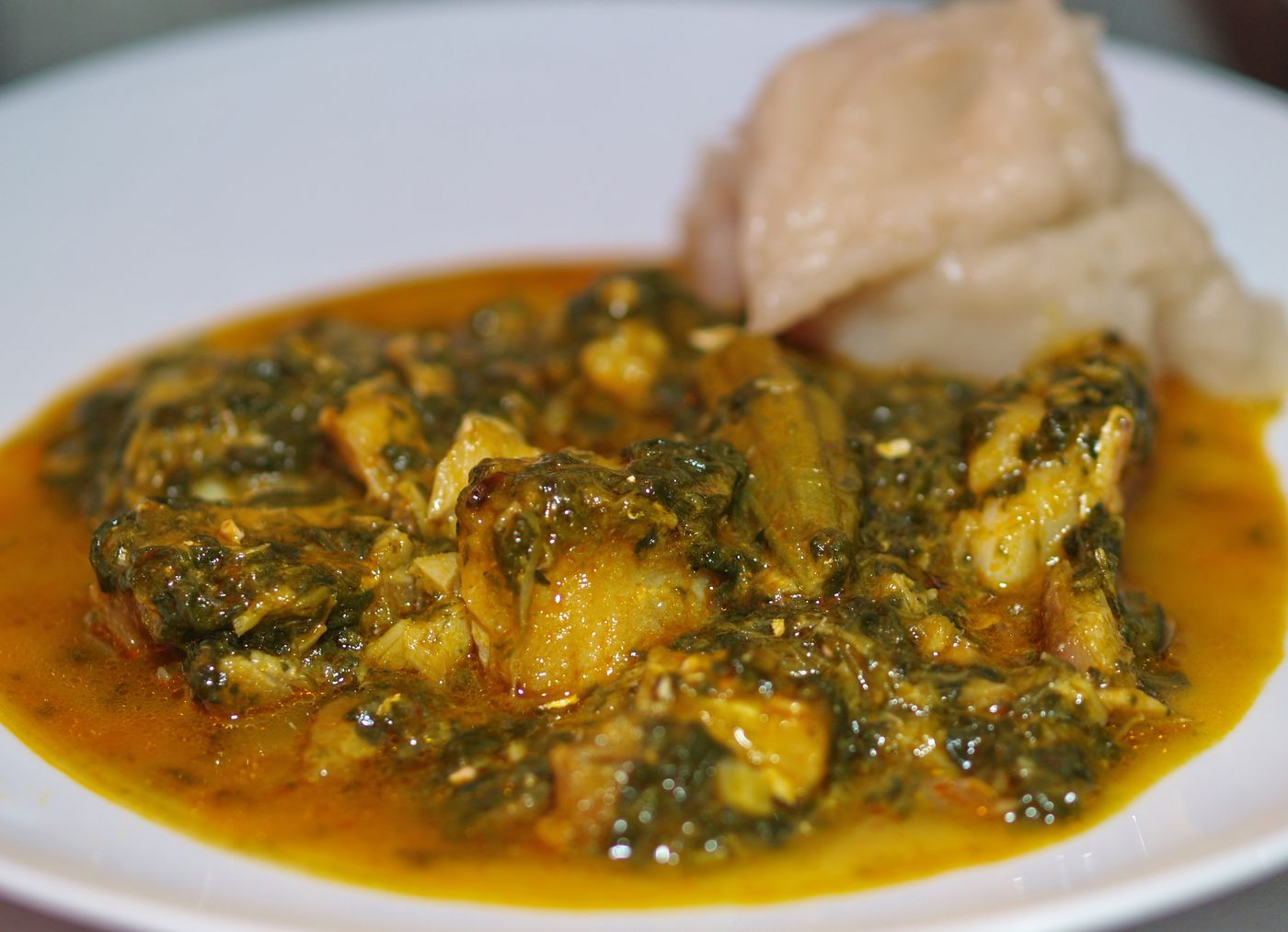
Calulu
Calulu is a traditional Angolan fish or meat stew made with dried or fresh ingredients, often including leafy greens, okra and palm oil. It has a robust, salty, slightly tangy flavor and is commonly eaten with funge.
Did you know?
Versions of calulu are found across the Lusophone world, but the Angolan form is one of the best-known.
Funge
Funge is a smooth, elastic starch staple made from cassava flour or maize flour and served alongside stews and sauces. Mild in flavor, it is valued for soaking up richly seasoned dishes.
Did you know?
Although Angola commonly calls it funge, it belongs to the wider Central and West African family of pounded or cooked starches known in English as fufu.

Mufete
Mufete is a beloved Angolan meal of grilled fish served with sides such as beans, sweet potato, plantain and cassava. It is smoky, hearty and especially associated with coastal eating.
Did you know?
Mufete is particularly associated with Luanda and showcases Angola’s strong Atlantic coastal food culture.
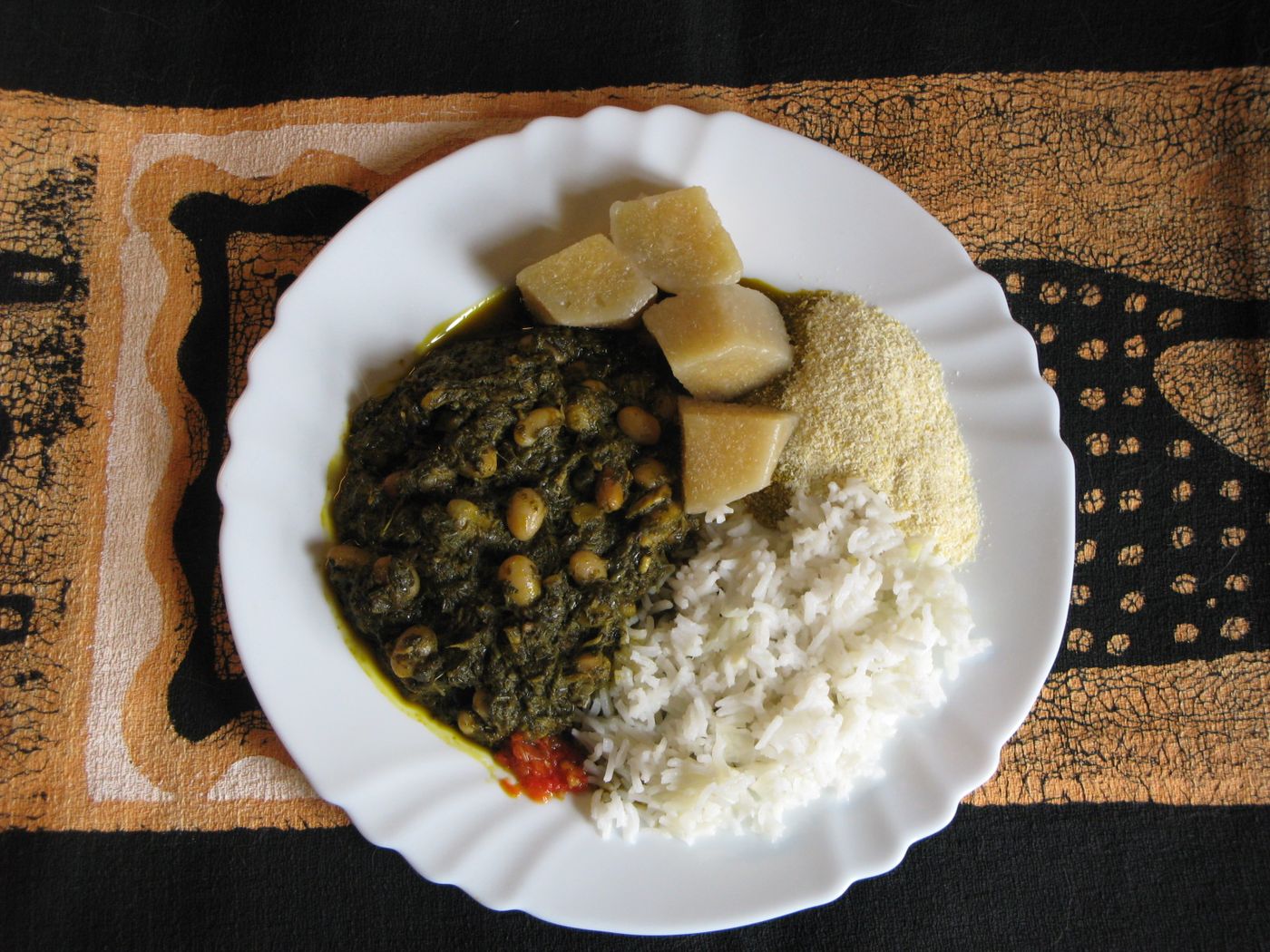
Kizaca
Kizaca is a thick dish made from cassava leaves cooked down with ground peanuts and seasonings, sometimes with fish or meat added. It has a deep green color and a nutty, slightly bitter taste.
Did you know?
Cassava leaves must be cooked thoroughly, and dishes like kizaca are part of a long Central African tradition of leaf-based stews.
Cabidela
Cabidela is a traditional dish of chicken or other poultry cooked with rice and thickened or seasoned with the animal’s blood and vinegar. Its flavor is intensely savory and tangy, making it an acquired but respected taste.
Did you know?
Cabidela came through Portuguese culinary influence and remains one of the more unusual historic dishes still recognized in Angola.