Southern Asia
Food of Afghanistan
The 6 most iconic national dishes of Afghanistan — real photos, key ingredients and tasty facts behind every plate.
 Asia
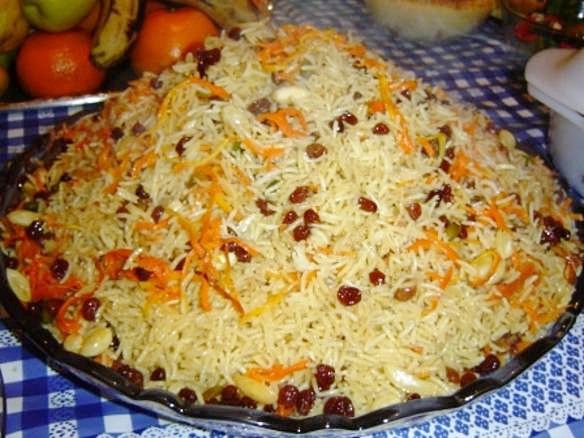
Kabuli palaw
Afghanistan’s best-known national rice dish, made with fragrant long-grain rice, lamb, and a sweet topping of carrots and raisins. It is rich, aromatic, and balances savory meat with gentle sweetness.
Did you know?
Kabuli palaw is widely regarded as the national dish of Afghanistan and is a centerpiece at weddings and major celebrations.
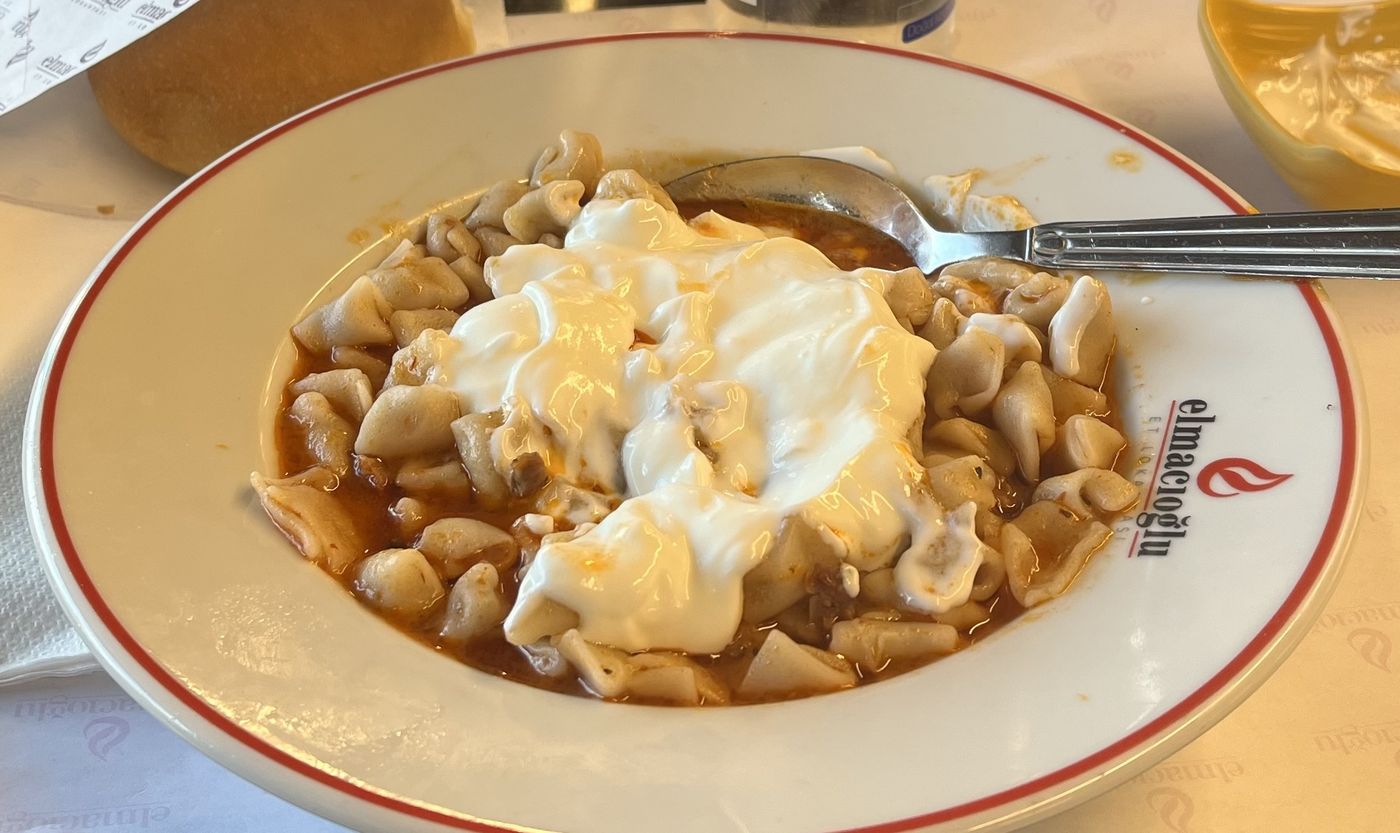
Mantu
These steamed dumplings are typically filled with minced meat and onion, then topped with yogurt and a tomato-lentil sauce. They are soft, tangy, and deeply comforting.
Did you know?
Mantu reflects the long history of dumpling-making across Central Asia, with Afghan versions distinguished by their yogurt and legume toppings.
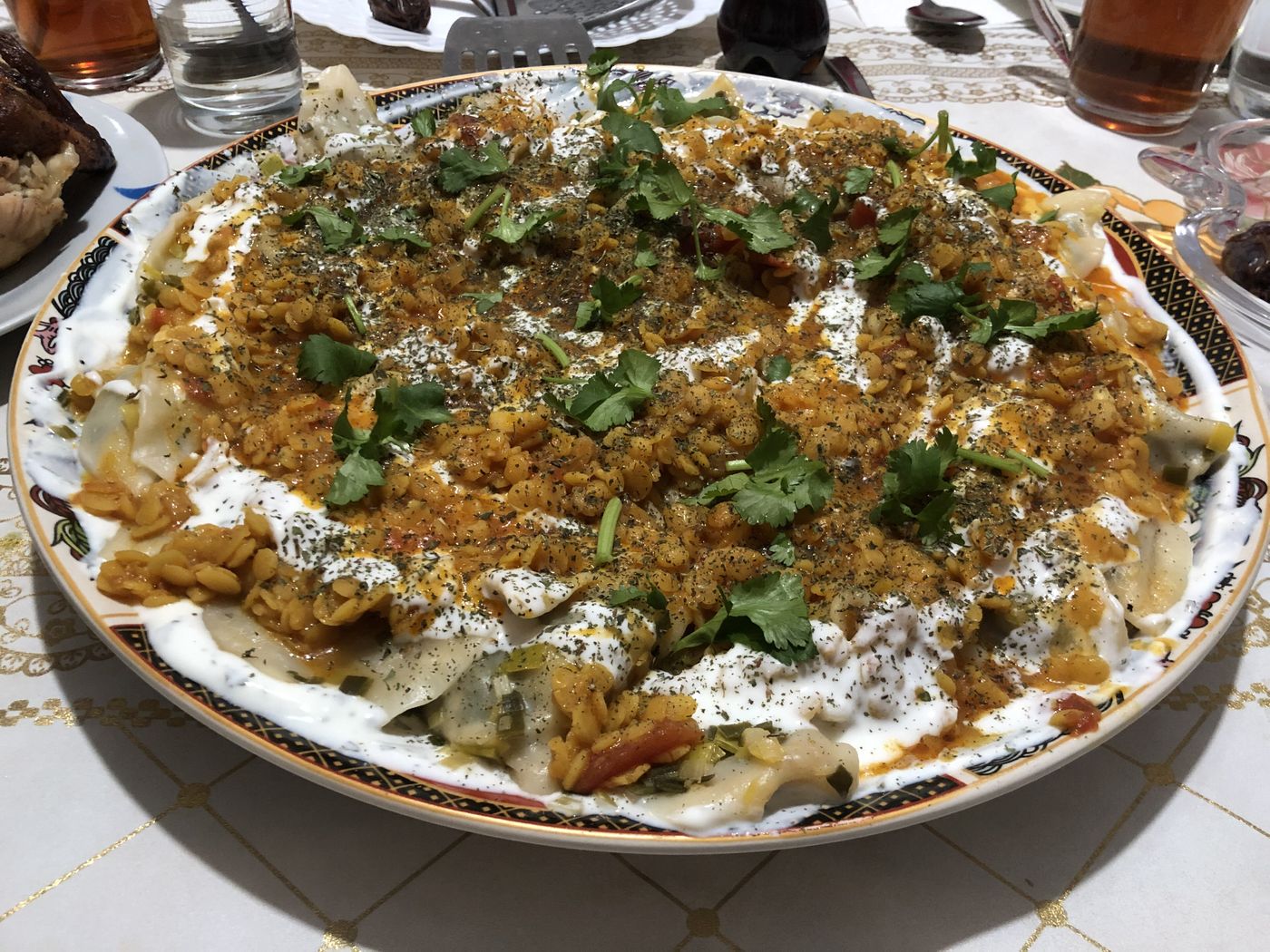
Ashak
Ashak are delicate dumplings usually stuffed with chives or leeks and served with yogurt and a savory meat sauce. They have a fresh oniony flavor and a creamy, spiced finish.
Did you know?
Ashak is especially associated with Kabul and is one of Afghanistan’s most celebrated dumpling dishes.
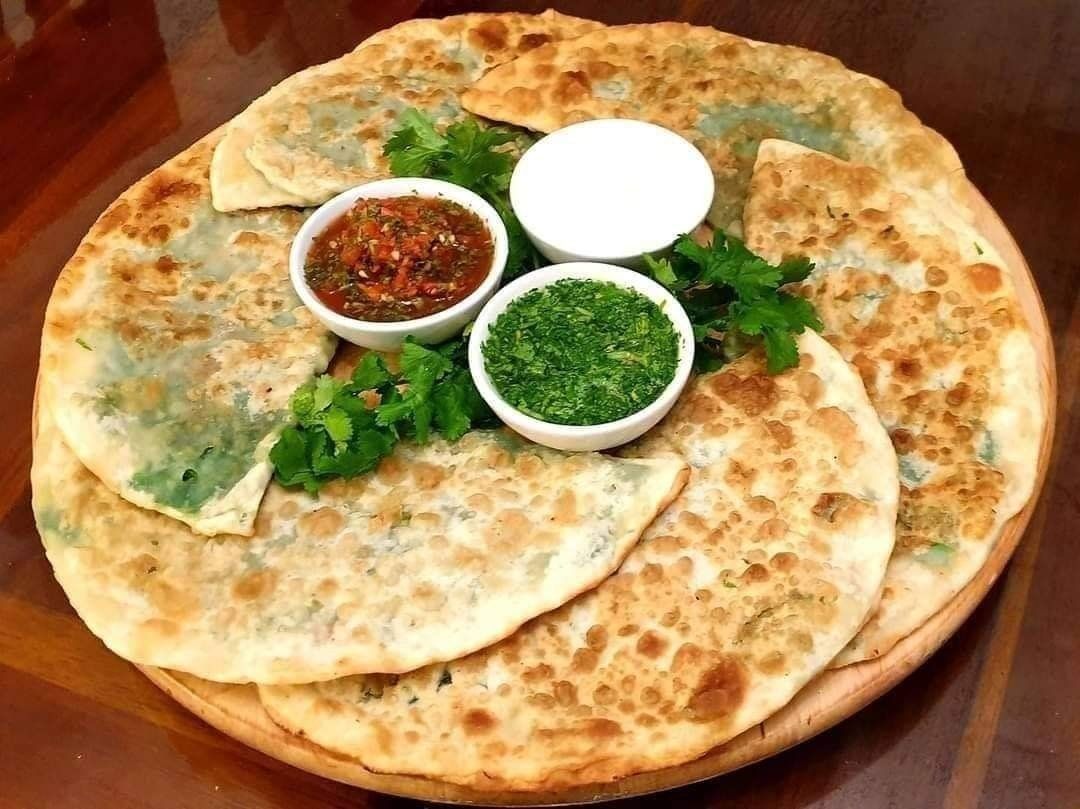
Bolani
A stuffed flatbread, usually filled with potato, leek, pumpkin, or lentils, then pan-fried until crisp. It is savory, satisfying, and commonly eaten as a snack or street food.
Did you know?
Bolani is a popular Ramadan and tea-time food, and different regions favor different fillings such as pumpkin or lentils.
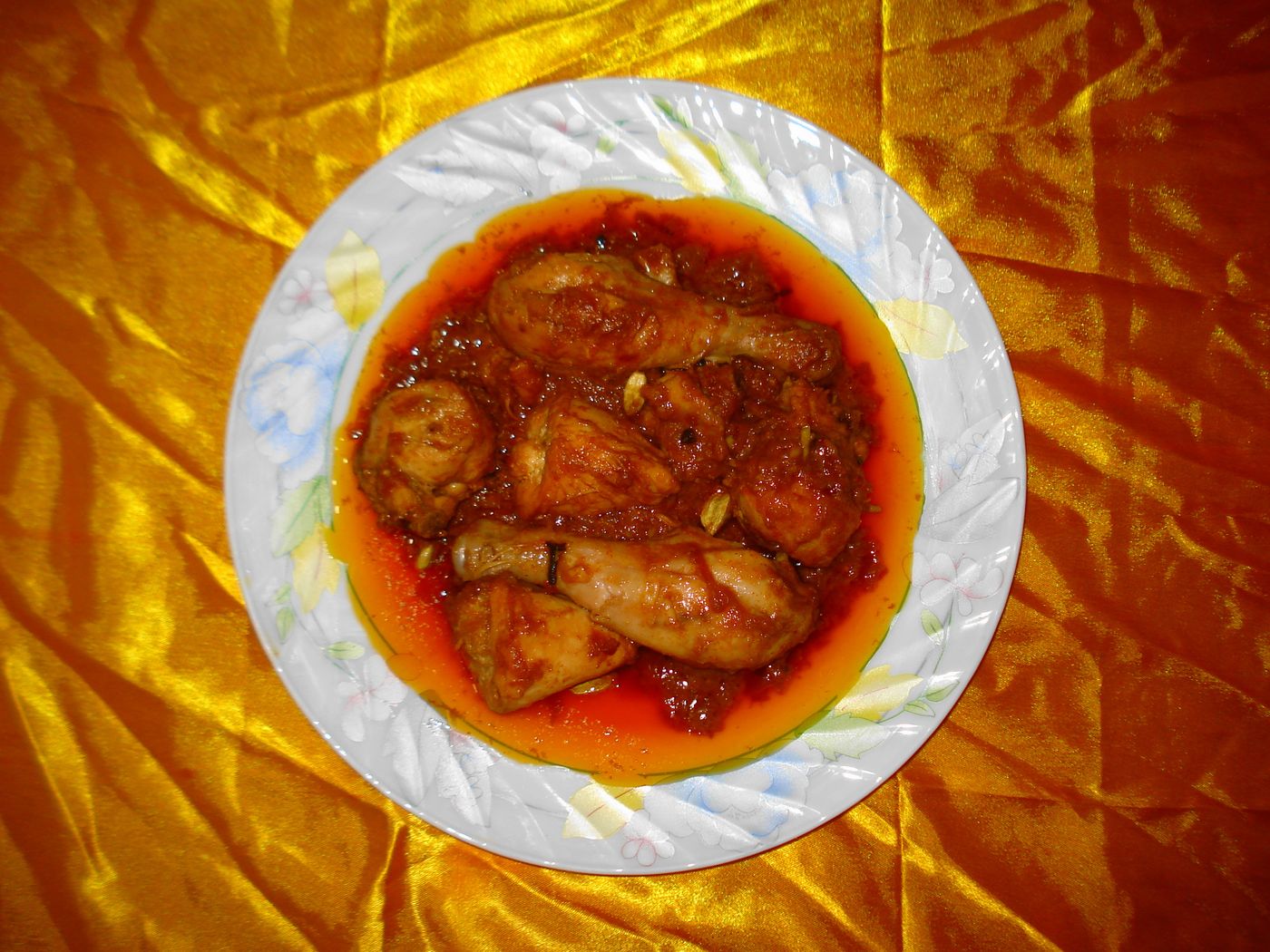
Qorma
Qorma is the Afghan style of slow-cooked stew, often prepared with meat, onions, and vegetables or fruit. It is deeply savory, often lightly spiced, and commonly served with rice or naan.
Did you know?
In Afghan cooking, carefully browning onions is a key step in qorma and forms the flavor base for many home-style dishes.
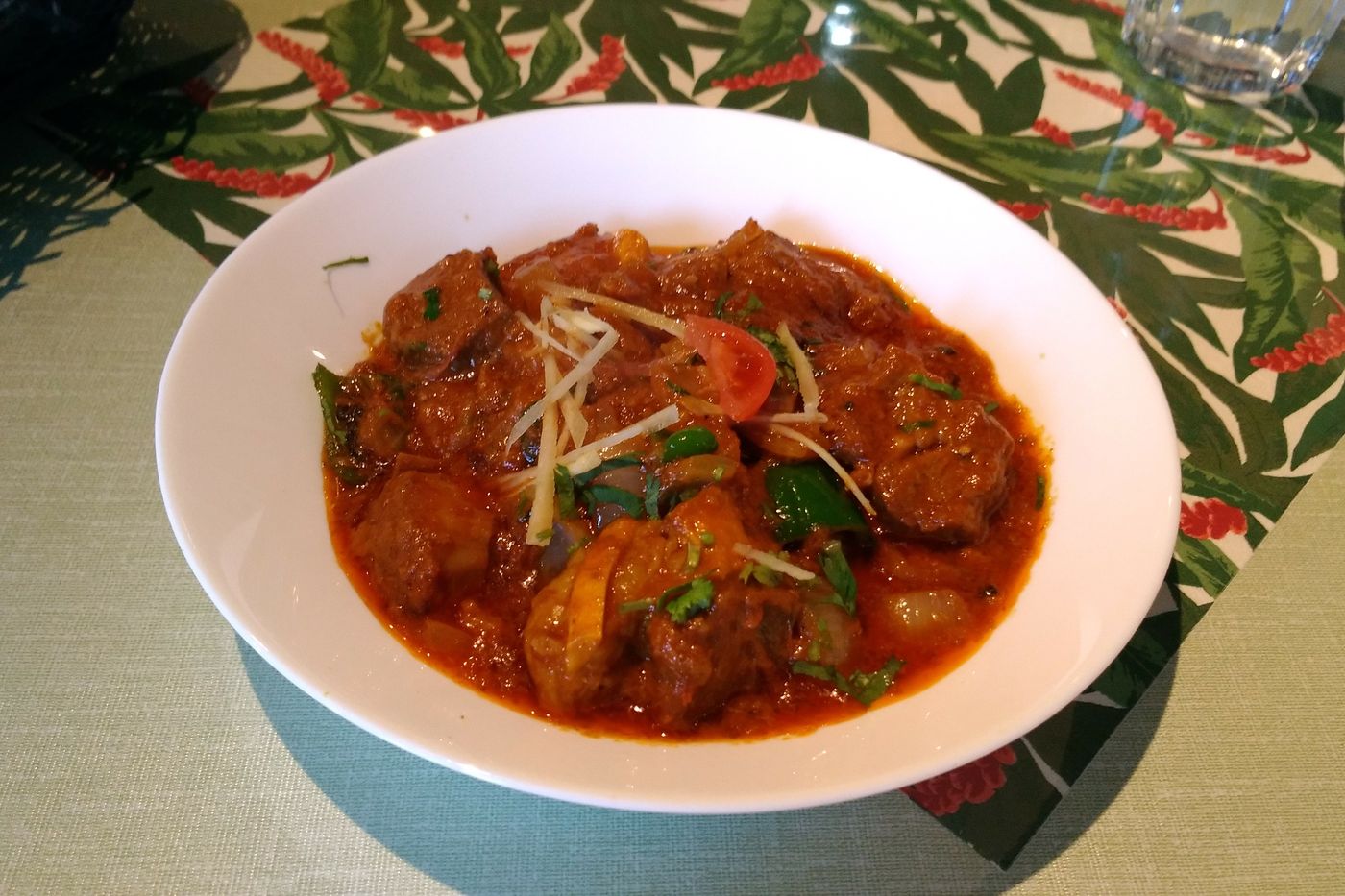
Dopiaza
An onion-forward meat dish whose name means “two onions,” typically using onions in both the base and the finishing stage. Afghan versions are hearty, fragrant, and especially beloved in regional home cooking.
Did you know?
The name dopiaza comes from Persian roots referring to “two onions,” highlighting the dish’s characteristic double use of onions.